Made in America

Get Connected With

JointsCouplings.com White Logo

Opening Hours M-F: 07:00 AM to 4:00 PM (PST)

Top Pipe Joints Manufacturers in China

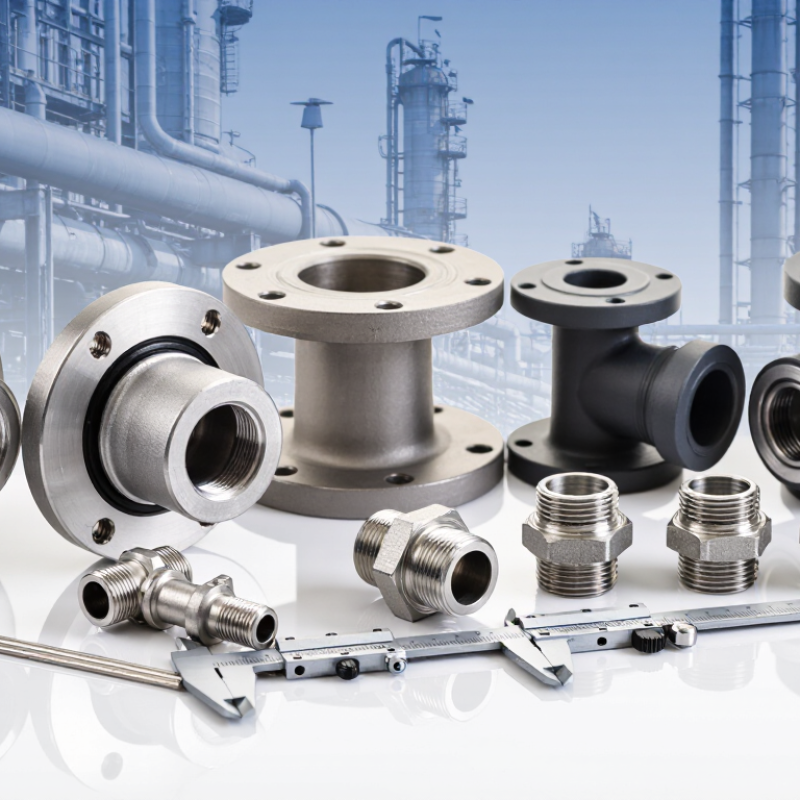
China’s pipe joints sector serves a wide range of projects, from municipal water networks to industrial process lines. Buyers can find manufacturers offering flanged, threaded, grooved, and custom-fabricated connections. The right choice depends on more than price. Details matter.

This guide introduces leading pipe joints manufacturers in China and explains practical ways to assess them. Compare product materials, dimensional tolerances, pressure ratings, surface finish, and compatibility with the intended piping system. Ask for current drawings, inspection records, and test documentation that match the exact product and order. A polished catalog is useful, but it cannot confirm how a supplier handles production changes or delivery issues. That is not always easy to judge.

Reliable evaluation also means checking manufacturing experience, quality controls, communication, and capacity for repeat orders. Where possible, review sample parts or arrange an independent inspection before shipment. Confirm lead times and packaging requirements in writing, especially for large or customized orders. Requirements vary by application, so technical decisions should be reviewed by qualified project personnel. No ranking can replace that review. The manufacturers discussed in this article are starting points, not automatic endorsements. Some comparisons will remain imperfect because public information may be limited or change over time. Use the same criteria for each supplier, verify important claims directly, and weigh long-term consistency alongside cost.
Top Pipe Joints Manufacturers in China

Pipe Joints in China: Types, Applications, and Market Overview

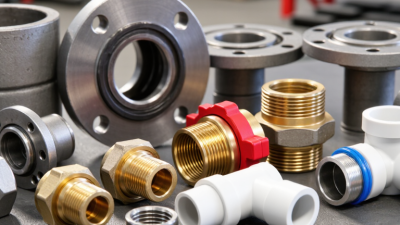
Pipe joints connect straight pipe sections, branches, valves, and equipment. Common types include threaded couplings, flanged joints, grooved couplings, and butt-weld fittings. Each suits different pressures, materials, and maintenance needs. A flanged joint, for example, allows crews to replace a pump without cutting the pipe. Fit matters most. In Chinese projects, buyers often compare carbon steel, stainless steel, and ductile iron options against operating temperature, corrosion exposure, and installation access.

Applications range from water networks and building services to chemical plants and energy infrastructure. ASME B16.9 covers factory-made wrought butt-welding fittings, while Chinese projects may also specify applicable GB/T standards. The governing specification should be checked against the design, not assumed from a product description. The categories blur. Grand View Research estimated the global pipe fittings market at about USD 14.4 billion in 2023, with projected growth of 4.9% annually from 2024 to 2030. This figure covers fittings broadly, not every pipe-joint type, so it is only a market reference for China’s large manufacturing and infrastructure supply chain. Report classifications differ; that limitation matters when comparing market figures.
How Pipe Joint Manufacturers Design and Produce Their Products

Pipe Joint Manufacturers in China: How Products Are Designed and Made

Pipe joint production begins with the conditions a fitting must handle: pipe diameter, pressure, temperature, and the fluid moving through the line. Engineers use these details to select a joint type, material, and connection method. Drawings then specify dimensions, tolerances, and sealing surfaces. Small changes matter. A rough gasket face or mismatched thread can cause leakage during installation. Manufacturers typically cut, form, machine, or weld components, depending on the joint design. Processes vary, and not every design needs the same sequence.

Tips: Confirm pipe dimensions and operating conditions before ordering. Ask how the joint is inspected, not just how it is made. Keep installation instructions close at hand. Details count.

Quality checks may include dimensional measurement, visual inspection, and pressure or leak testing where appropriate. Inspectors look for issues such as uneven welds, burrs, damaged threads, and inconsistent sealing faces. Test methods should match the product’s intended use and stated requirements. Traceable material records can also help buyers verify what a component is made from. A factory process may look precise on paper, yet handling and storage still affect the final product. That part is easy to overlook. Careful packaging helps protect machined surfaces before installation.

Leading Pipe Joint Manufacturers in China and Their Specialties

Top Pipe Joints Manufacturers in China

Chinese pipe-joint manufacturers often specialize by material, connection method, or operating conditions. Some produce forged steel joints for high-pressure pipelines, while others focus on stainless steel fittings for water, food, or chemical applications. Their expertise can vary considerably.

Grooved joints are designed for quick assembly in building services and fire-protection systems. Expansion joints address vibration and thermal movement in equipment lines. For a project near the coast, corrosion resistance may matter more than low initial cost. Small details count.

A supplier’s specialty should match the actual installation, not just the catalog description. Ask for material grades, pressure ratings, dimensional tolerances, and inspection records. Samples can reveal rough threading, uneven coatings, or poor alignment before a large order is placed. Good documentation helps, but it does not replace verification.

One point worth questioning: a wide product range does not always mean deep expertise in every joint type. Buyers should compare manufacturing capability against the specific service conditions. Even an apparently simple pipe connection may fail early if its material, gasket, or end preparation is poorly matched to the system.

Quality Standards and Certifications for Chinese Pipe Joints

For buyers comparing top pipe joints manufacturers in China, quality evidence matters more than polished product photos. A reliable supplier should explain which standards apply to each joint type and intended service. Requirements can differ by material, pressure rating, connection design, and destination market. That distinction matters.

Ask for certificates with a clear scope, issuing body, and validity period. A general quality-management certificate does not prove that every pipe joint meets a specific product standard. Request material test reports, dimensional inspection records, and pressure-test results where relevant. Check that the documents match the supplied grade, size, and production batch. Traceability should connect the joint to its material heat number. Still, paperwork can look tidy while details are missing; confirm critical claims with the issuing organization or an independent inspection provider. Small discrepancies deserve attention.

Tips: Compare the stated standard with your project specification, not just a supplier’s brochure. Request a sample report and inspect markings, end finish, and dimensions. Keep acceptance criteria in writing. Even a careful process can miss something. Recheck.

How to Compare and Select a Pipe Joint Manufacturer in China

Top Pipe Joints Manufacturers in China

How to Compare and Select a Pipe Joint Manufacturer in China

Choosing a pipe joint manufacturer in China starts with your operating conditions, not the lowest quote. Specify joint type, material grade, diameter, pressure, temperature, and connection method. Then compare drawings, dimensional tolerances, and inspection records. Ask for material test certificates and batch traceability. Details matter. Requirements vary by application, so verify that any claimed certification covers the product and process you need.

The World Steel Association’s October 2024 Short Range Outlook projected global steel demand at about 1.75 billion tonnes in 2024 and 1.77 billion tonnes in 2025. This is broad steel-market data, not a pipe-joint forecast; it offers context, not proof of supplier quality. Use it as a reminder to check material availability and confirm quoted grades in writing. A polished catalog can still leave important questions unanswered.

Tips: Request a sample and inspect its threads, weld preparation, finish, and dimensions with simple measuring tools. Ask how pressure tests are recorded and how defects are handled. Compare lead time, packaging, and replacement terms alongside price. One overlooked detail can matter: confirm that sample and production parts use the same material specification.

Top Pipe Joints Manufacturers in China - How to Compare and Select a Pipe Joint Manufacturer in China

Use this comparison framework to assess pipe-joint suppliers against your project requirements. It focuses on verifiable product, quality, and delivery evidence rather than company or brand rankings.

Comparison Dimension What to Define Evidence to Request How to Compare Suppliers Selection Signal
Joint and fitting type Specify whether the requirement is for butt-weld fittings, flanges, forged socket-weld fittings, threaded fittings, or another joint type. Product catalogue, dimensional drawings, product scope, and a quotation identifying the exact product type. Check that the supplier makes the required product type and sizes, rather than assuming that general pipe-fitting capability covers every joint category. The quoted product description and drawings match the project specification.
Applicable standard Identify the required design and dimensional standard, including the applicable edition and any project-specific amendments. Written standard and edition on the quotation, drawings, inspection documents, and product marking plan. For example, ASME B16.9 covers factory-made wrought buttwelding fittings; ASME B16.11 covers forged socket-welding and threaded fittings; ASME B16.5 covers pipe flanges and flanged fittings. Confirm each standard's scope against the product. The supplier confirms the exact standard, edition, product scope, and any deviations in writing.
Material and grade Set the material specification and grade, such as the specified carbon steel, stainless steel, or alloy grade. Include any project requirements for heat treatment or impact testing. Material list, sample material test report, heat or batch traceability procedure, and applicable test records. Compare the offered grade with the purchase specification and verify that documents can be linked to the delivered items. Material identification and traceability requirements are clearly documented and can be checked on delivery.
Dimensions and tolerances Define nominal size, wall thickness or schedule, end preparation, facing, pressure class where applicable, and permitted tolerances. Dimensioned drawings, inspection plan, and sample dimensional inspection report. Check critical dimensions against the specified standard and project drawings; clarify any dimensional exceptions before production. Drawings and inspection criteria cover the dimensions that affect fit-up and installation.
Pressure and service conditions State design pressure, temperature, fluid, corrosion conditions, and applicable design code. Do not infer pressure capability from a product name alone. Technical datasheet, design or rating basis where applicable, and written confirmation of service suitability. Compare the supplier's documented product rating and material suitability with the system design requirements. Technical suitability is supported by project-relevant documentation, not by a general pressure claim.
Quality management and inspection Define required quality-system documentation, inspection stages, acceptance criteria, and any third-party inspection requirement. Relevant quality-management certificate with scope and validity, inspection and test plan, and sample inspection records. Check certificate scope and validity. Treat a management-system certificate as supporting evidence, not as proof that every product meets the purchase specification. Inspection responsibilities, hold points, acceptance criteria, and records are agreed before manufacture.
Material and inspection records Specify required documents, such as material test reports, dimensional reports, heat-treatment records, and product conformity documents. Sample document package; where specified, an EN 10204 type 3.1 inspection certificate. Check that the sample records identify the material, heat or batch, test results, and relevant order or product traceability information. The supplier confirms which records will accompany the shipment and how they relate to each item or batch.
Manufacturing capability Confirm production route and capability for the required materials, sizes, wall thicknesses, and order quantity. Process description, facility or production information, capacity confirmation, and relevant process-control records. Compare demonstrated capability with the actual order scope; identify any outsourced processes and how they are controlled. Production and subcontracting arrangements are transparent and suitable for the specified order.
Testing and nonconformance control List required tests and examinations in the purchase specification. Requirements vary by product, material, service, and governing code. Test procedures, sample results, calibration records where applicable, and a documented nonconformance process. Verify that each required test has a defined method, acceptance criterion, and record; do not assume every test applies to every fitting. Testing is tied to the specified requirements and any nonconforming product has a documented disposition process.
Marking and traceability Define required markings, including material grade, size, schedule or class where applicable, standard, and heat or batch identification. Marking procedure, sample product marking, and traceability records. Check that markings remain legible and correspond with the inspection and material documents. Delivered products can be identified and matched to the required documentation.
Lead time and delivery Set required delivery date, order quantity, packaging method, shipping terms, and destination requirements. Written production schedule, packing specification, and quotation with clearly stated delivery terms. Compare the confirmed schedule and scope of delivery; distinguish quoted production time from transit time. Milestones, packaging responsibilities, and shipping terms are stated clearly in the offer.
Commercial clarity and support Define quotation validity, payment terms, warranty conditions, document language, and technical response expectations. Itemized quotation, written terms, and a named technical contact or support process. Compare the complete delivered cost and contractual terms, not only the unit price. Technical clarifications and commercial commitments are documented and consistent across the offer.

Practical comparison method: First mark each requirement as “meets,” “needs clarification,” or “does not meet.” Then compare the suppliers that meet the mandatory technical requirements on documentation, delivery, and total commercial terms. Standards and inspection requirements should always be confirmed against the current project specification and applicable code.