Made in America
Get Connected With



Selecting the right pipe joints is rarely a simple purchasing decision. Global buyers must match connection design with pressure, temperature, fluid chemistry, installation skill, and maintenance access. A threaded joint may suit a small, low-pressure water line. It may fail prematurely in vibration-heavy service. A flanged joint offers easier inspection, but its gasket and bolt torque require careful control.
The options are broad. Threaded, socket-weld, butt-weld, flanged, grooved, compression, press-fit, solvent-cement, lap-joint, and mechanical connections each solve different problems. The best choice depends on the complete piping system, not the fitting alone. Mohinder L. Nayyar, author of the Piping Handbook, emphasizes this principle: “A piping system is only as reliable as its weakest joint.”
That warning deserves attention. A polished product catalogue cannot reveal poor alignment inside a crowded plant. Nor can a low price compensate for incorrect gasket selection, damaged threads, or inconsistent welding. Buyers should verify material grades, dimensional standards, pressure ratings, certificates, traceability, and supplier testing records. They should also confirm compatibility with local installation practices and replacement availability.
Small details matter. A flange face can look clean yet leak after uneven tightening. A grooved coupling can install quickly, but its seal still needs correct seating. These are practical observations, not absolute rules. Some recommendations remain debatable because operating conditions differ widely. This guide compares the top 10 types of pipe joints, highlighting their strengths, limitations, applications, and purchasing risks for international projects.
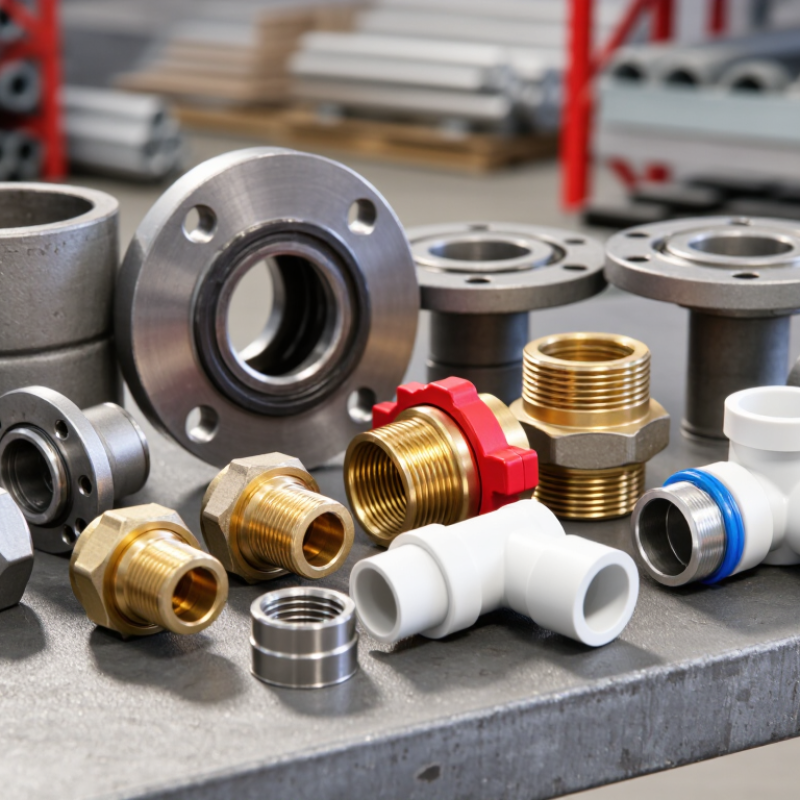
Pipe joints connect sections while controlling pressure, movement, leakage, and maintenance access. Their structure usually includes joining surfaces, a sealing element, and a method of restraint. Depending on the design, restraint may come from threads, bolts, welding, clamps, or compression.
The ten common types include butt-welded, socket-welded, threaded, flanged, grooved, compression, push-fit, soldered, brazed, and mechanical joints. Butt welding creates a continuous metal connection for high-pressure process lines. Threaded joints suit smaller pipes and simple repairs. Flanged joints use bolts and gaskets, making equipment removal easier. Grooved and mechanical joints can reduce installation time. Push-fit and compression designs are useful where hot work is restricted.
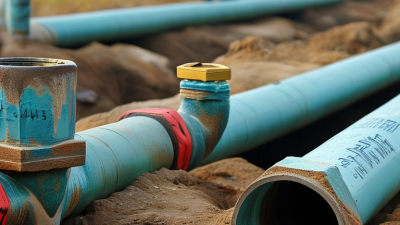
Application changes the correct choice. A chilled-water line may need a gasket that tolerates temperature cycling. A buried drainage pipe may require flexibility and resistance to soil movement. Clean water systems demand compatible materials and careful hygiene control. During inspection, installers should check thread engagement, bolt tightening, gasket alignment, and weld quality. Small errors matter. An uneven gasket can leak after repeated pressure changes. Poor support can stress an otherwise sound joint.
Pipe drawings often appear complete, but field conditions can expose missing details. Access space, vibration, corrosion, and future maintenance deserve attention. The strongest joint is not always the best joint; service conditions decide the practical answer.
Top 10 Types of Pipe Joints for Global Buyers
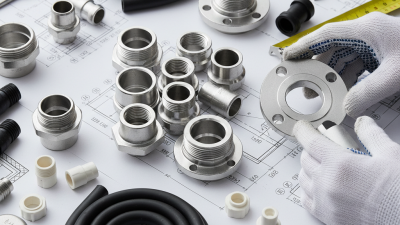
Pipe joints are commonly classified by connection method and structural design. Threaded joints use matching internal and external threads, making them practical for smaller pipes and maintenance access. Flanged joints use bolts and gaskets, supporting frequent disassembly and equipment alignment. Butt-welded joints join pipe ends directly, creating a smooth internal passage with strong pressure resistance. Socket-welded joints fit smaller pipe into a recessed fitting before welding. Lap joints overlap components and suit certain flanged or lined systems. Grooved joints use a groove, gasket, and housing for faster installation. Compression joints seal through controlled mechanical pressure. Press-fit joints rely on formed fittings and specialized tools. Soldered or brazed joints use heat and filler metal. Mechanical couplings connect pipes without permanent welding. The categories can overlap, which sometimes confuses purchasing teams.
Tips: Check pressure, temperature, fluid compatibility, pipe material, and maintenance space. Confirm dimensions against the applicable standards. Do not select by price alone.
In practical procurement, design details matter as much as the connection name. A gasketed flange may tolerate movement, but poor bolt tightening can cause leakage. A welded joint needs clean preparation, correct alignment, and qualified inspection. Threaded connections can perform well, yet damaged threads are difficult to repair in the field. Installation conditions also change the decision. Wet trenches, limited access, vibration, and thermal expansion may favor one design over another. No classification is perfect. Review drawings, test requirements, and local regulations before approval.
| No. | Pipe Joint Type | Connection Method | Design Characteristics | Sealing Method | Typical Pressure Capability | Common Pipe Materials | Installation Profile | Typical Applications | Key Buying Considerations |
|---|---|---|---|---|---|---|---|---|---|
| 1 | Butt-Welded Joint | Two pipe ends are aligned and permanently joined by welding around the circumference. | Continuous full-bore connection with no internal fastening parts. | Welded metal fusion; no separate gasket is normally required. | HighVery high | Carbon steel, stainless steel, alloy steel, nickel alloys, thermoplastics with butt fusion. | Requires qualified welding procedures, edge preparation, alignment, and inspection. | Process piping, oil and gas lines, power plants, chemical facilities, high-pressure water systems. | Check weld procedure requirements, wall thickness, non-destructive testing, material grade, and field welding conditions. |
| 2 | Socket-Welded Joint | The pipe is inserted into a socket in a fitting and secured with a fillet weld around the outside. | Compact joint suitable for smaller pipe sizes; the pipe does not extend through the fitting. | Welded metal fusion. | High | Carbon steel, stainless steel, alloy steel, and other weldable metals. | Requires accurate insertion depth, a specified expansion gap, and qualified welding. | Instrument lines, small-bore process piping, compressed air, steam, and hydraulic services. | Verify size range, socket depth, fatigue requirements, corrosion allowance, and applicable piping code. |
| 3 | Threaded Joint | Male and female threads are screwed together without circumferential welding. | Detachable connection with tapered or parallel pipe threads, depending on the design and standard. | Thread sealant, sealing tape, or a designed gasket at the threaded interface. | Low to medium | Galvanized steel, carbon steel, stainless steel, brass, and some plastic piping systems. | Fast installation with common tools; does not normally require hot work. | Utility water, low-pressure air, fire protection auxiliaries, plumbing, and small-diameter services. | Confirm thread standard, pressure-temperature rating, material compatibility, and allowance for thread corrosion. |
| 4 | Flanged Joint | Pipe ends or fittings are connected with two flanges, bolts, nuts, and a gasket. | Bolted, accessible joint that allows disassembly for maintenance and equipment removal. | Compressed gasket, spiral-wound gasket, ring-type gasket, or elastomeric gasket, according to service. | Low to very high | Carbon steel, stainless steel, ductile iron, cast iron, plastic-lined steel, and thermoplastics. | Requires flange alignment, correct gasket selection, and controlled bolt tightening. | Pumps, valves, vessels, water treatment, industrial plants, marine piping, and large-diameter lines. | Check flange facing, pressure class, bolt pattern, gasket material, temperature, and corrosion environment. |
| 5 | Grooved Mechanical Joint | A groove near each pipe end is engaged by a coupling housing secured with bolts. | Mechanical coupling can accommodate limited movement, thermal expansion, or angular deflection when designed for it. | Elastomeric gasket compressed inside the coupling housing. | Low to medium | Carbon steel, ductile iron, galvanized steel, and some stainless-steel piping. | Fast assembly with limited hot work; requires correctly formed or cut grooves. | Fire protection, HVAC, chilled water, commercial buildings, and industrial utility piping. | Verify coupling rating, gasket compound, groove dimensions, pipe wall thickness, and required movement control. |
| 6 | Compression Joint | A nut compresses a ferrule or compression ring against the pipe and fitting body. | Detachable, compact connection commonly used on small-diameter tubing and service lines. | Mechanical compression of a ferrule, sleeve, or ring. | Low to medium | Copper, brass, stainless steel, aluminum, polyethylene, and selected multilayer tubing. | Fast and flame-free; requires clean, round pipe ends and correct tightening torque. | Instrumentation, water supply, refrigeration, pneumatic lines, and small hydraulic connections. | Check tube hardness, fitting material, vibration resistance, temperature range, and reuse limitations. |
| 7 | Solvent-Cement Socket Joint | Plastic pipe is inserted into a socket fitting after applying compatible solvent cement. | Socket-and-spigot design produces a chemically bonded plastic connection. | Solvent-cement bond between the pipe surface and fitting socket. | Low to medium | PVC, CPVC, ABS, and other plastics approved for solvent joining. | Simple and lightweight installation; requires surface preparation, correct cement, and curing time. | Potable water where approved, drainage, irrigation, chemical service, and low-temperature process piping. | Confirm plastic type, chemical compatibility, cement certification, curing conditions, and service temperature. |
| 8 | Heat-Fusion Joint | Thermoplastic pipe surfaces are heated and pressed together to form a fused connection. | Creates a joint with a continuous thermoplastic material path and no separate metal fasteners. | Fused pipe material; no separate gasket is normally needed. | Medium to high | HDPE, MDPE, PP, PVDF, and other fusion-compatible thermoplastics. | Requires calibrated heating equipment, clean surfaces, controlled pressure, and trained operators. | Water mains, gas distribution where approved, mining slurry, wastewater, and industrial chemical piping. | Check resin grade, fusion procedure, bead inspection, ambient conditions, equipment calibration, and traceability. |
| 9 | Push-Fit Joint | The pipe is pushed into a fitting and retained by an internal gripping mechanism. | Quick-connect design that can often be installed without threading, welding, or specialized pressing equipment. | Internal elastomeric O-ring or seal, usually combined with a retaining ring. | Low to medium | Copper, PEX, CPVC, polyethylene, stainless steel, and approved multilayer pipe. | Very fast installation; pipe must be deburred, marked for insertion depth, and fully seated. | Potable water, heating systems, compressed air, repairs, and retrofit plumbing. | Confirm approved pipe materials, temperature and pressure ratings, chemical compatibility, and demounting requirements. |
| 10 | Press-Fit Joint | A fitting is mechanically pressed onto the pipe using a compatible pressing tool and jaw profile. | Permanent or semi-permanent cold-formed connection without open flame or welding. | Elastomeric sealing ring compressed inside the fitting. | Low to medium | Copper, stainless steel, carbon steel, PEX, and multilayer pipe systems designed for pressing. | Rapid installation with repeatable tool-controlled deformation; requires correct tooling and inspection. | Plumbing, hydronic heating, gas systems where approved, HVAC, and industrial utility services. | Check fitting profile, jaw compatibility, seal material, tool calibration, insertion depth, and system approval. |
Note: Actual pressure and temperature limits depend on pipe material, dimensions, fitting design, sealing components, joining procedure, and the applicable local or international standard. Always verify the manufacturer’s technical data and project specifications before selection.
Threaded, flanged, and screwed joints remain practical choices for global piping buyers. Each design handles pressure, maintenance, and installation differently. Selection should follow the fluid, temperature, pipe size, and site conditions. ASME B16.5 and ISO 7-1 provide useful dimensional and sealing references. Field experience shows that small errors in thread engagement can cause persistent leakage.
Threaded joints suit low-to-moderate pressure services, instrument lines, and compact utility systems. They need clean threads, correct sealant, and careful tightening. Over-tightening can split thin fittings. Screwed joints, often built with couplings or socket-style fittings, support quick assembly where welding is impractical. They are convenient, but repeated vibration may loosen connections. This weakness is easy to underestimate.
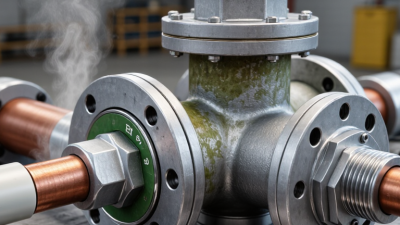
Flanged joints offer stronger access for inspection, cleaning, and equipment replacement. They are common around pumps, valves, heat exchangers, and large-diameter lines. Gasket choice and bolt loading matter as much as flange rating. The IMPACT corrosion study estimated global corrosion costs near 3.4% of worldwide economic output. That figure reinforces the need for disciplined sealing and inspection. A threaded joint may look economical, yet installation labor can change the total cost. Buyers should compare lifecycle evidence, not only purchase prices. Mistakes still happen. Witness marks, torque records, and pressure testing provide useful evidence before commissioning.
Top 10 pipe joint types include threaded, flanged, welded, soldered, brazed, grooved, socket-welded, press-fit, compression, and butt-fusion joints. Their differences matter more than appearance.
Welded joints provide high strength and low leakage risk, but they require qualified procedures, heat control, and inspection. Soldered joints suit smaller copper lines and moderate temperatures. Brazed joints tolerate higher temperatures and offer stronger capillary bonding.
Grooved joints use mechanical couplings, allowing faster installation and limited movement. However, they need accurate groove dimensions and correct gasket selection.
According to the NACE IMPACT study, corrosion costs about US$2.5 trillion globally, equal to roughly 3.4% of world GDP. Joint design can reduce exposure points, but no connection is corrosion-proof. ASME B31.3 therefore considers pressure, temperature, fluid hazards, materials, and examination requirements.
The U.S. Department of Energy reports that compressed-air leaks may waste 20% to 30% of compressor output. Small leaks still matter. A poorly sealed threaded joint can become an expensive maintenance problem.
Tips: Match the joint to service conditions, not installation speed alone. Check gasket compatibility, surface preparation, torque, and alignment. Keep inspection records. Field experience shows grooved joints can save time, yet careless assembly causes failures. I would also challenge one common assumption: welded joints are not automatically the safest choice. Their quality depends on procedure control, welder skill, non-destructive testing, and realistic operating data.
Compression and push-fit joints are practical choices for global buyers, but they are not interchangeable. Compression joints use a nut, ring, and sealing surface. They suit repair work, exposed installations, and systems needing later disassembly. Push-fit joints install faster, especially where access is tight. Their performance depends heavily on clean, fully inserted pipe ends.
The World Bank reported that utilities can lose 25–50% of supplied water through non-revenue water, including leakage. A joint is only one part of that risk, but poor installation can worsen it. Buyers should check pipe material, outside diameter tolerance, pressure rating, temperature range, and local approval requirements. Relevant standards may include ISO 14236 for mechanical joints, ASSE 1061 for push-fit fittings, and applicable ASTM testing standards. Certification alone is not enough. Compatibility tables matter more than attractive packaging.
Tips: Request test reports, installation instructions, and batch traceability before ordering. For compression joints, inspect the sealing ring and avoid overtightening. For push-fit joints, cut the pipe square, remove burrs, and mark insertion depth. Test every connection under controlled pressure. Small details matter.
A useful comparison is often missing. Push-fit saves labor, but compression may offer easier field inspection. That assumption can fail in vibration, freezing, or chemically aggressive environments. Global buyers should also confirm spare-part availability and installer training. The cheapest joint may create expensive maintenance later.
Compression and push-fit joints: selection factors for global buyers
The indicative index combines installation speed, leak-control potential, maintenance convenience, vibration tolerance, and suitability for international project conditions. Actual performance depends on pipe material, pressure, temperature, fluid, standards, and installation quality.