Made in America
Get Connected With



Choosing pipe joints for global sourcing is not simply a matter of comparing unit prices. A joint that looks suitable on a quotation may fail during installation, pressure testing, or customs inspection. The World Bank’s 2023 Logistics Performance Index highlights continuing differences in infrastructure, shipment reliability, and border efficiency. These differences directly affect sourcing decisions, especially when pipe joints travel across several regions before reaching a project site.
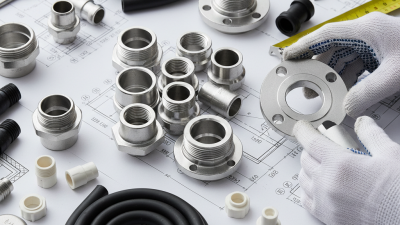
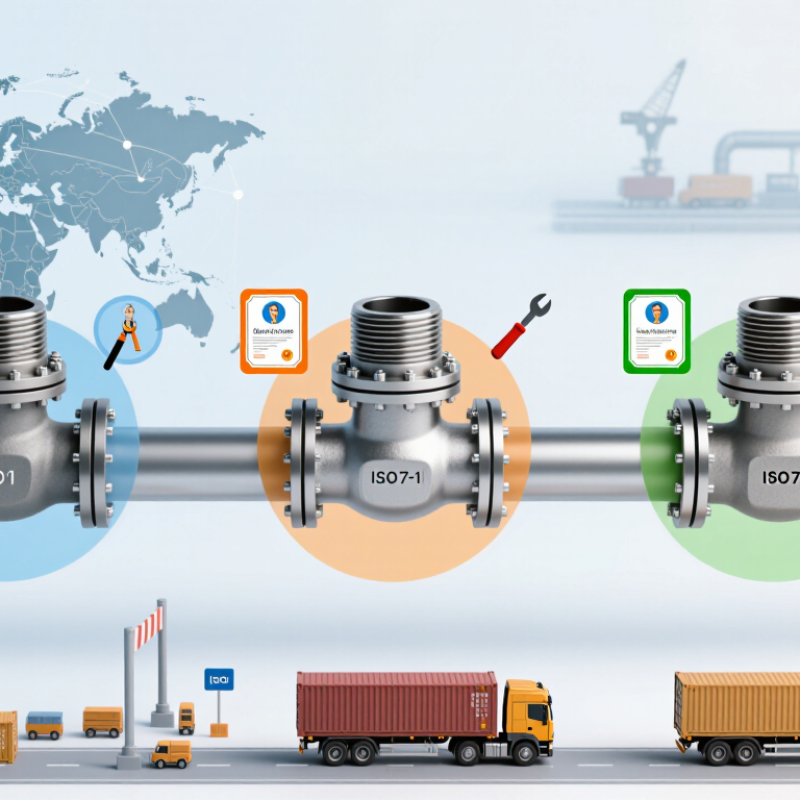
Standards provide the practical starting point. ASME B16.5 supports the selection of flanges, pressure classes, dimensions, and materials for many industrial applications. ISO 7-1 addresses pipe threads for pressure-tight joints, while ASTM specifications help verify material performance and testing requirements. Buyers should request certificates, dimensional inspection records, traceability details, and samples from qualified suppliers. A simple visual check is not enough.
Field experience also matters.
Deloitte’s 2024 Global Chief Procurement Officer Survey emphasizes resilience, supplier visibility, and risk management as continuing procurement priorities. For pipe joints, this means examining lead times, packaging, corrosion protection, documentation, and replacement availability—not only the factory price. A carbon-steel threaded joint may suit a dry utility line, but stainless steel or a flanged connection could be safer near moisture, chemicals, or frequent maintenance points.
Some assumptions deserve criticism. “Global standard” does not always mean local acceptance. A supplier’s brochure may sound authoritative, yet the product still needs independent verification and project-specific approval. This guide explains how to compare pipe joints through standards, service conditions, supplier evidence, logistics data, and total installed cost. The goal is not the cheapest connection. It is a defensible choice that performs reliably after delivery.
A reliable pipe joint begins with a clear service profile. Record the fluid, pressure, temperature, flow rate, and pipe material. Also note vibration, movement, installation space, and maintenance access. These details often decide whether a threaded, flanged, welded, grooved, or mechanical joint is suitable. Do not select a joint from pipe diameter alone. That shortcut can create expensive problems later.
Consider the real operating environment, not only laboratory conditions. Outdoor piping may face rain, salt, ultraviolet exposure, or repeated temperature changes. Process lines may require chemical resistance and frequent inspection. Ask how the joint will be installed across borders. Local workers may use different tools or practices. Confirm compatible standards, dimensions, pressure ratings, and inspection requirements before requesting quotations. Supplier documentation should include material certificates, test records, installation instructions, and traceability details.
A practical sourcing specification should describe both normal and abnormal conditions. Include pressure surges, start-up cycles, emergency shutdowns, and expected service life. In field reviews, small alignment errors have caused leakage even when the joint passed factory testing. That lesson is easy to miss. Design tolerance matters. So does training. Leave room for inspection and replacement, especially in crowded plant areas. A cheaper joint is not always economical when access is difficult or downtime is costly. Recheck assumptions with a qualified engineer before approving the purchase.
How to Choose Pipe Joints for Global Sourcing?
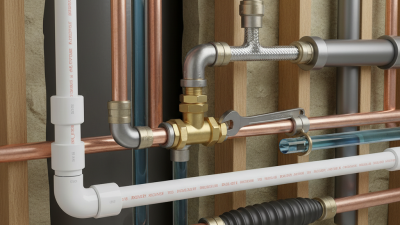
Joint selection should begin with strength, not price. A welded joint offers high axial strength and compact dimensions. It suits steel pipelines carrying pressure, heat, or vibration. However, welding demands qualified workers, clean surfaces, and inspection equipment. A flanged joint allows quick removal around pumps and valves. Its bolts can loosen under vibration, and its gasket needs controlled compression. Threaded joints install quickly on small pipes, but they can weaken thin walls and leak after repeated movement.
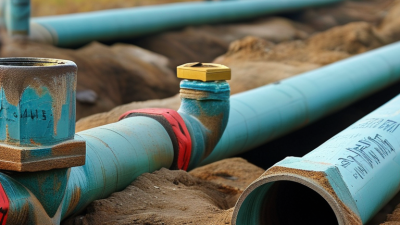
Sealing performance depends on pressure, temperature, fluid chemistry, and alignment. Elastomeric push-fit joints tolerate slight ground movement and reduce installation time. They still require careful socket cleaning. One grain of sand can matter. Mechanical couplings handle repairs well, though their seals may age faster in heat or aggressive fluids. The World Bank has reported that water losses can reach 20–50% in some municipal systems, making sealing quality a financial issue, not merely a technical detail. For sourcing, request pressure-test records, material certificates, gasket compatibility data, and installation instructions based on standards such as ISO 4427, EN 805, or ASME B31.3. These documents improve comparability across suppliers. They do not replace field judgment. A joint that performs well in a factory test may fail after poor trench bedding, uneven torque, or thermal cycling. One overlooked detail: installation tools and trained labor can cost more than the joint itself.
When sourcing pipe joints globally, material compatibility should guide the shortlist, not price alone. Identify pipe material, transported medium, operating temperature, pressure, and expected service life. A stainless joint may resist water well, yet fail near chloride-rich fluids or dissimilar metals. Check galvanic corrosion risks at every transition. Do not overlook seals. Elastomers can swell, harden, or lose pressure resistance under heat and chemicals. Request compatibility data for the exact grade and temperature range.
Standards prevent expensive surprises, but their names do not guarantee interchangeability. Confirm thread form, nominal size, pressure class, wall thickness, and end dimensions. Compare supplier drawings with the project standard before ordering samples. A joint can meet one dimensional standard and still use an unsuitable material. This happens more often than expected. Ask for pressure-test procedures, inspection records, and material certificates linked to heat or batch numbers. Clear traceability supports corrective action when a shipment fails inspection.
Certification needs depend on the application and destination market. Verify required product, quality, and safety documents with the importer, engineer, or local authority. Check certificate scope, issuing body, validity, and coverage of the supplied configuration. Copies alone are weak evidence. Request signed records and retain them with purchase documents. I have learned that rushed approvals often hide small mismatches. Include sample fit-up, torque checks, leak testing, and a written exception log. Leave room for doubt. One unverified assumption can disrupt an entire installation.
Choosing pipe joints for global sourcing starts with the supplier, not the catalog. Review production capacity, pressure-test procedures, material certificates, and batch traceability. A capable factory should explain how it controls thread accuracy, sealing surfaces, welding, and dimensional tolerances. Ask for recent inspection records, not only polished samples. ISO’s 2022 Survey recorded more than 1.26 million ISO 9001 certificates worldwide, but certification alone cannot prove consistent joint quality. Audit the process behind the certificate.
Manufacturing quality must match the working environment. Confirm pressure ratings, temperature limits, corrosion resistance, and compatibility with the connected pipe material. Request third-party test reports when the application carries serious safety consequences. Factory samples should be checked with gauges, torque tools, and leak tests. Small deviations matter. A joint that fits in the workshop may fail after vibration, thermal expansion, or repeated assembly. This is where sourcing teams sometimes rely too heavily on paperwork.
Global logistics can quietly change the best purchasing decision. UNCTAD reports that maritime shipping carries over 80% of world trade by volume. Therefore, packaging, port access, customs documents, and spare-part availability deserve early review. The World Bank’s 2023 Logistics Performance Index evaluates customs, infrastructure, tracking, and timeliness; supplier comparisons should reflect these factors. Use moisture-resistant packing and clear carton markings. No audit is perfect. A spreadsheet can still mislead. I would compare landed cost, delivery risk, and defect response time, not unit price alone.
Choosing pipe joints for global sourcing is not a catalog exercise. The lowest unit price can hide labor, inspection, and downtime costs. Compare threaded, welded, flanged, grooved, and compression joints against actual service conditions. Check pressure, temperature, fluid compatibility, vibration, and maintenance access. Then match each option with the skills and tools available at the installation site.
Cheap today. Expensive later.
A practical lifecycle analysis should include purchase price, preparation, installation labor, testing, shipping volume, spare parts, and future repairs.
For example, a welded joint may offer strong, compact service performance, but it needs qualified technicians, careful alignment, and inspection equipment. A flanged joint may cost more initially, yet simplify replacement near pumps or valves. A grooved connection can reduce installation time, although its components may require closer compatibility checks across suppliers.
Request traceable material certificates, dimensional records, pressure-test results, and clear installation instructions. Confirm that replacement parts can be sourced locally, not only from the original export route. Standards may appear similar while tolerances differ. That detail can stop an assembly before commissioning. Cost models are also imperfect; labor rates, freight delays, and corrosion rates can change quickly. Use realistic scenarios instead of one attractive quotation. A joint that saves two hours during installation may prevent several days of shutdown years later.