What Are the Top Underground Pipe Fittings in 2026?
Underground pipe fittings may look like small components, but each one helps protect a buried system from leaks, movement, and premature failure. The right choice depends on pipe material, diameter, pressure, soil conditions, and the job itself. A fitting that works above ground may not suit a trench where moisture, shifting soil, or limited access complicates repairs. Small details matter.
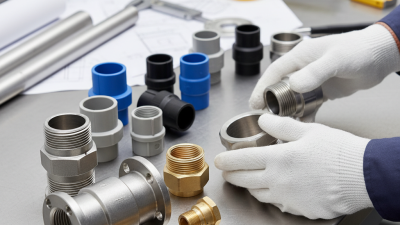
In 2026, commonly used underground pipe fittings include bends, tees, reducers, couplings, adapters, and repair fittings. Each serves a different purpose. Bends change direction; tees create branches; reducers connect pipes of different sizes. Couplings join pipe sections, while compatible adapters link different materials or connection styles. For polyethylene systems, fusion fittings may be appropriate when installed with the specified equipment and procedures. Other systems may call for solvent-welded, gasketed, or mechanical joints.
There is no single best fitting for every project. This guide compares practical options by application, material compatibility, connection method, and resistance to underground conditions. It also highlights details worth checking, such as pressure ratings, gasket suitability, and manufacturer guidance. These checks can prevent costly rework. Still, product labels alone do not settle every question; actual trench conditions and project specifications matter. Confirm selections against the pipe system’s requirements and applicable local standards before installation. A careful match now can mean fewer surprises after the trench is closed.
Elbows and Bends for Redirecting Underground Pipes
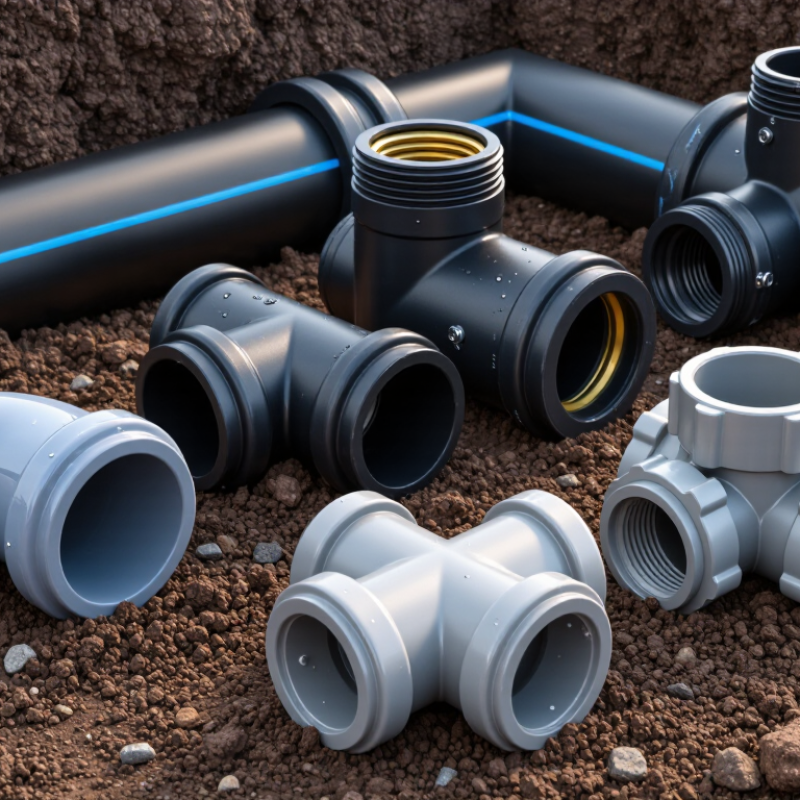
Elbows and bends help underground pipes follow a route around foundations, property lines, and existing services. A 90-degree elbow makes a sharp change in direction, while a gradual bend can reduce turbulence and pressure loss in many flow systems. The right choice depends on the pipe material, diameter, flow rate, and available space. Check that fittings are rated for the intended service and compatible with the pipe and joining method. A fitting that looks close is not always a safe match.
Tips: Measure the offset before digging. Use the fitting maker’s installation guidance, and keep joints clean and properly aligned. Never force a bend to make up for a misplaced trench.
On site, small layout differences often appear after excavation. A long-radius bend may need more room, but it can create a smoother path than several tight turns. Support the pipe evenly with suitable bedding, especially near direction changes, where uneven loads can stress joints. Follow project specifications for cover, backfill, and testing. I have seen neat-looking pipe runs hide awkward joint angles; they can be easy to miss before backfilling. Inspect each connection while it remains visible, and correct questionable alignment rather than relying on soil to hold it in place.
Tees and Crosses for Creating Branch Connections
What Are the Top Underground Pipe Fittings in 2026?
Tees and Crosses for Creating Branch Connections
Tees and crosses let underground pipe systems split into branch lines. A tee connects one branch to a main run, while a cross serves four directions. Simple shapes. Careful planning matters. Before selecting either fitting, confirm pipe diameter, material, joining method, and pressure rating. A mismatch can create leaks or put unwanted strain on the joint.
On a site plan, a tee often suits a single service line branching toward a building or irrigation zone. A cross may work where several lines meet, but it can make flow paths harder to manage. Consider likely demand at each outlet, not just the number of connections. Branch positions should also allow room for installation and future repairs. That is easy to miss when trenches are narrow.
Buried fittings face soil movement, moisture, and loads from above. Check that the fitting is approved for the pipe system and intended burial conditions, then follow its installation instructions. Keep connections aligned; forcing a branch into place can stress the joint. A cross may save space on paper, though that is not always a sound reason to use one. I would review access and flow needs again before finalizing the layout, especially where several branches operate at once.
Couplings and Adapters for Joining Different Pipe Sections
What Are the Top Underground Pipe Fittings in 2026?
Couplings and Adapters for Joining Different Pipe Sections
Underground pipe repairs often involve joining sections with different materials, outside diameters, or connection styles. Flexible transition couplings can bridge some material changes, while threaded or flanged adapters suit systems designed for those connections. The right choice depends on pipe dimensions, fluid, operating pressure, and soil conditions—not appearance alone. Check the fitting’s rated range and the pipe manufacturer’s installation guidance before assembly.
A coupling should sit squarely, with pipe ends clean, properly spaced, and inserted to the specified depth. Tighten clamps evenly; excessive force can distort a pipe or damage a seal. Where movement or pressure may pull a joint apart, use a fitting with suitable restraint, rather than assuming the gasket will hold everything. Details matter.
Tips: Measure the actual pipe outside diameter, not just its nominal size. Confirm that seals are compatible with the fluid and expected temperature. After installation, inspect alignment and perform the specified leak or pressure test before covering the joint. One imperfect habit worth questioning: rushing backfill can shift a carefully aligned connection.
Reducers, Caps, and Plugs for Size Changes and Pipe Ends
Reducers, caps, and plugs solve small-looking problems with lasting consequences underground. A reducer connects different pipe diameters; choose its joint style and material to match both pipe ends. Check flow direction and pressure requirements, too. A concentric reducer may suit a vertical run, while an eccentric design can help maintain a level bottom in some horizontal applications. Details depend on the system.
Caps close a pipe’s end; plugs seal an opening in a fitting or branch. They are not automatically interchangeable. Confirm dimensions, connection type, pressure rating, and compatibility with the conveyed fluid before installation. In a trench, grit on a gasket or a slightly misaligned joint can undermine a careful seal. Test the assembly before backfilling. It is easy to overlook that step.
The U.S. Environmental Protection Agency’s 2023 Drinking Water Infrastructure Needs Survey and Assessment estimated $625 billion in drinking-water infrastructure needs over 20 years. That figure covers broad system needs, not fitting demand, but it underscores the value of durable repairs and upgrades. Keep fitting records with pipe size, material, and joint details. Field conditions can surprise you. A reducer that appears to fit may still create a mismatch; checking twice is worthwhile.
Flanges and Service Saddles for Access and Utility Connections
In underground utility work, flanges and service saddles solve different connection problems. A flange joins pipe, valves, or equipment where a bolted connection may need inspection or later removal. Below grade, that usually means placing it in an accessible vault, not burying bolts where maintenance becomes guesswork. Small details matter. Check the pipe material, outside diameter, pressure rating, gasket type, and bolt pattern before specifying the joint.
A service saddle creates a branch connection on an existing main. Its body must match the pipe’s actual outside diameter, and its gasket must seat evenly against a clean surface. A saddle that is too loose can leak; one tightened unevenly may distort the pipe. Fit is critical. Soil movement, pipe stiffness, and operating pressure also affect performance, so the tapping method and saddle rating should suit the system. Installation instructions and project specifications are worth checking, even when the fitting looks familiar.
For a real job, I would also consider what crews can reach after backfill. A flange may be mechanically convenient but needs room for tools and future work. A saddle may save space, yet tapping equipment still needs clearance and stable support. That part is easy to underestimate. Corrosion protection, compatible fasteners, and careful bedding can reduce avoidable problems, but they do not replace inspection. Field conditions are rarely perfect; documenting measurements and checking alignment before tightening can prevent a small mismatch from becoming a buried repair.