China Top Sewer Pipe Manufacturers for Global Buyers
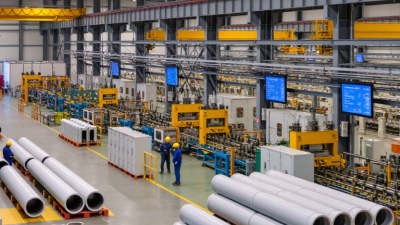
Choosing reliable sewer pipe manufacturers matters when projects cross borders, climates, and regulatory systems. A strong supplier must offer more than competitive pricing. Buyers need consistent dimensions, verified raw materials, dependable production, and clear technical communication. This guide introduces leading China-based manufacturers serving international infrastructure, municipal, industrial, and residential projects.
The discussion focuses on practical purchasing evidence. It considers pipe materials, diameter ranges, connection methods, pressure performance, corrosion resistance, and application suitability. Factory experience also matters. Buyers should examine production lines, laboratory testing, quality-control records, export experience, and after-sales support before signing contracts. A useful manufacturer should explain how its sewer pipe performs in wet soil, heavy traffic areas, and changing temperatures.
Details matter.
A polished catalog is not enough. Product samples, inspection reports, and traceable batch information can reveal more than attractive claims. Buyers should also confirm packaging, container loading, delivery schedules, certifications, and communication procedures. These points often affect project costs and installation speed.
No supplier is perfect. Even experienced manufacturers may have limits in customization, lead times, or local compliance support. That reality deserves attention. Global buyers should compare several suppliers against the same technical checklist, rather than relying on price alone. Factory visits, independent inspections, and small trial orders can reduce uncertainty when practical.
This overview aims to support careful decisions with a balanced, experience-based perspective. It highlights manufacturers that demonstrate production capability, technical knowledge, transparent documentation, and reliable service. The final choice should match the project’s design, budget, destination requirements, and long-term maintenance expectations.
Types of Sewer Pipes Manufactured in China
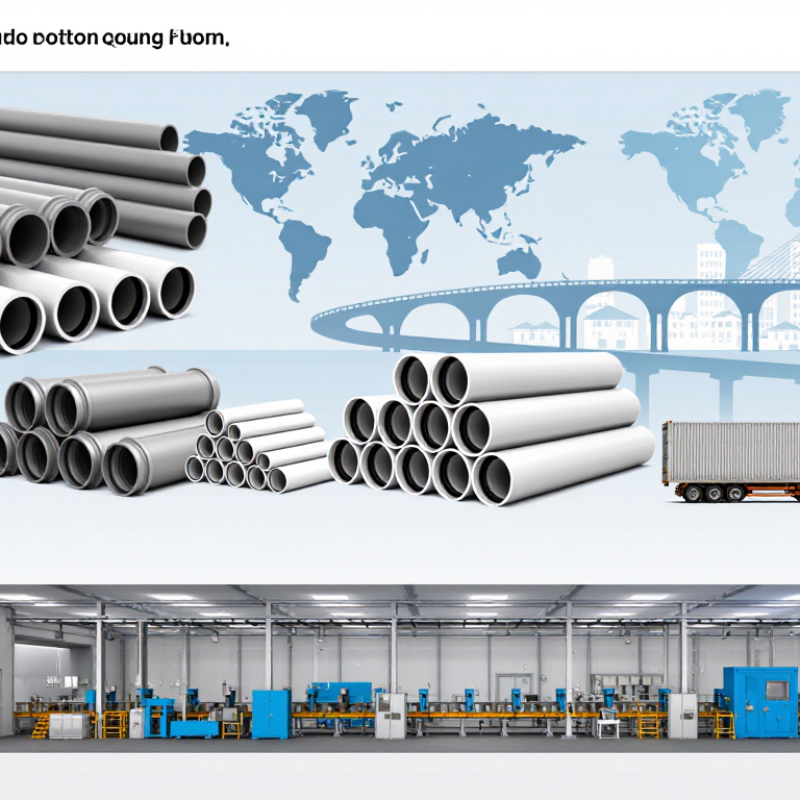
China’s sewer pipe factories produce several systems for different soil, flow, and installation conditions.
PVC-U pipes are lightweight, corrosion-resistant, and common for smaller municipal drains.
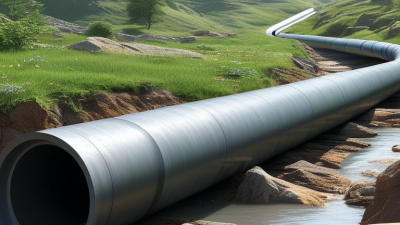
HDPE pipes suit trenchless installation because they tolerate bending and ground movement. Their fusion joints can reduce leakage risks when technicians control temperature and pressure carefully.
Concrete pipes remain important for large-diameter stormwater and sewage lines. They offer strong load resistance beneath roads, although poor joint design can allow infiltration.
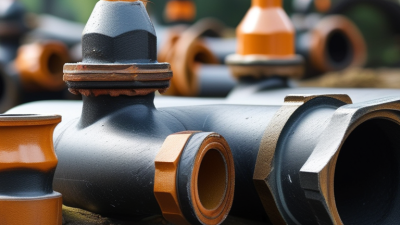
Ductile iron pipes serve pressurized sewer applications and demanding ground conditions.
Vitrified clay pipes provide strong chemical resistance, while GRP pipes offer low weight and smooth internal surfaces. Polypropylene structured-wall pipes are also used where low friction and easier handling matter.
Performance depends on more than material selection.
The China Statistical Yearbook 2024 reported an urban sewage treatment rate of about 98% in 2023, reflecting extensive treatment infrastructure and replacement needs.
The World Bank’s wastewater infrastructure research also emphasizes collection networks, leakage control, and lifecycle maintenance. These findings matter to global buyers.
A factory should provide:
- ring-stiffness results,
- hydrostatic tests,
- dimensional records, and
- joint inspection data.
Ask for production traceability.
A practical detail is often missed.
Pipe bedding can decide field performance. A strong pipe may still deform on uneven gravel.
Standards, soil surveys, and installation training should be reviewed together.
The cheapest specification can become expensive after repairs.
Selection is not always perfect. Conditions vary.
Key Capabilities of China’s Top Sewer Pipe Manufacturers
China’s top sewer pipe manufacturers combine scale with process control. UN-Water’s 2023 SDG 6 Synthesis Report estimated that only 58% of domestic wastewater was safely treated in 2022. This gap increases demand for durable, leak-resistant networks. Leading factories therefore produce HDPE, PVC, ductile iron, and reinforced concrete pipes for different soil and flow conditions.
Material traceability is a key capability. Reputable plants record resin grades, steel chemistry, concrete strength, and batch numbers. They also use dimensional checks, hydrostatic testing, impact testing, and joint inspections. Production commonly references standards such as ISO 4427, ASTM D3034, EN 545, and EN 1916. Independent laboratories can verify pressure ratings and ring stiffness. That evidence matters more than attractive catalog claims.
Export-ready manufacturers also manage practical details. They provide controlled socket dimensions, gasket compatibility, inspection records, and container-loading plans. Some offer customized wall thicknesses, lengths, coatings, and manhole connections. The World Bank has repeatedly identified non-revenue water as a major infrastructure challenge, often exceeding 30% in developing systems. Better joints can reduce avoidable losses, but pipes alone cannot solve poor installation. This is where many projects remain imperfect. Factory capability must be matched with trained field crews, suitable bedding, and careful backfilling. Without those steps, even a certified pipe may fail early.
How to Evaluate Chinese Sewer Pipe Suppliers
Choosing a Chinese sewer pipe manufacturer requires more than comparing factory prices. Global buyers should examine production experience, material control, and export performance. Ask how long the supplier has produced sewer systems and which applications they support. Request factory videos, current certificates, and recent project references. A reliable supplier should explain resin grades, wall thickness, joint design, and service conditions. Vague answers signal risk.
Tips: Compare test reports with recognized standards, not promotional claims. Check whether reports match the exact pipe diameter and material grade. Ask for a sample. Measure its outer diameter, socket depth, and surface finish. Review quality-control records from extrusion, cooling, cutting, and packing. Confirm inspection responsibility before shipment. Clear drawings, realistic lead times, and quick replies often reveal operational discipline. Still, documents can become outdated. I once treated a certificate as proof of current quality. That assumption was weak.
For larger orders, visit the production site or arrange independent verification. Discuss loading methods, moisture protection, batch identification, and spare fittings. Clarify payment stages, warranty handling, and damaged-cargo procedures. A low quote may hide thinner walls or weaker packaging. Compare complete delivered cost instead. No checklist is perfect. Combine evidence, technical questions, and a small trial order before approving larger volumes.
Export, Customization, and After-Sales Considerations
China’s sewer pipe exports serve a growing sanitation market. The WHO/UNICEF Joint Monitoring Programme reported that 3.5 billion people lacked safely managed sanitation in 2022. That gap creates demand.
UN-Habitat’s World Cities Report projects that 68% of people will live in urban areas by 2050. Export buyers should therefore assess long-term network performance, not only factory pricing. Ask for resin certificates, dimensional records, hydraulic tests, and third-party inspection options. Include loading photographs and container-sealing records. Small details prevent expensive disputes.
Customization needs engineering discipline. Confirm diameter, wall thickness, stiffness class, joint design, burial depth, and local standards before production. A supplier should provide drawings and approve any revision in writing. Mixed standards can create installation problems. This point is often underestimated.
After-sales support should appear in the contract. Specify response times, replacement procedures, installation guidance, and spare-joint availability. Require batch traceability from raw material to shipment. A low quotation may hide weak technical support or difficult claims. That deserves honest review. Buyers should also test samples locally, because laboratory results may not reflect soil, traffic, or temperature conditions. Reliable manufacturers explain limitations instead of promising perfect performance.
China Sewer Pipe Buying Guide: Typical Service-Life Benchmarks
Indicative engineering ranges for common sewer pipe materials used in export, customization, and infrastructure projects.
Service life depends on soil conditions, chemical exposure, hydraulic design, installation quality, joint performance, and maintenance.
Global buyers should confirm applicable standards, dimensional customization, inspection documentation, packaging, spare-part availability, and after-sales technical support before placing an order.
Export Readiness
Check standards, certificates, loading plans, and delivery documentation.
Customization
Confirm diameter, wall thickness, stiffness class, joint type, and fittings.
After-Sales
Request installation guidance, quality traceability, and warranty procedures.