How to Choose Sewer Pipe Connections in 2026
Choosing sewer pipe connections in 2026 starts with a practical question: will the joint stay sealed under actual site conditions? A connection beneath a driveway faces different stresses than one inside an accessible basement. Soil movement, pipe material, installation depth, and wastewater temperature all influence that answer. Small mismatches matter. A coupling that looks secure during installation can still leak if its dimensions or application are wrong.
Reliable selection begins with identifying both pipes, including their materials, outside diameters, and condition at the joining surfaces. Nominal size alone does not confirm compatibility, especially when connecting older cast iron to newer plastic pipe. Check the manufacturer’s compatibility table, installation instructions, and any required product certifications against local plumbing requirements. For buried installations, confirm whether the connection is approved for underground use and the expected loading conditions. A rubber sleeve, shielded coupling, solvent-welded fitting, and gasketed joint are not interchangeable solutions. Details deserve attention. Specified tightening torque, insertion depth, pipe support, and bedding can determine whether an otherwise suitable connection performs reliably.
This guide explains how to compare connection types, evaluate site conditions, and recognize situations that need professional assessment. It also considers inspection access, maintenance needs, and the cost of correcting a buried failure. There is no universally best connector, and an existing pipe’s condition can remain uncertain until it is exposed. That uncertainty deserves acknowledgment before purchasing parts. The goal is a compatible, inspectable connection supported by verified specifications and careful installation.
Understand Sewer Pipe Connection Types and Their Applications
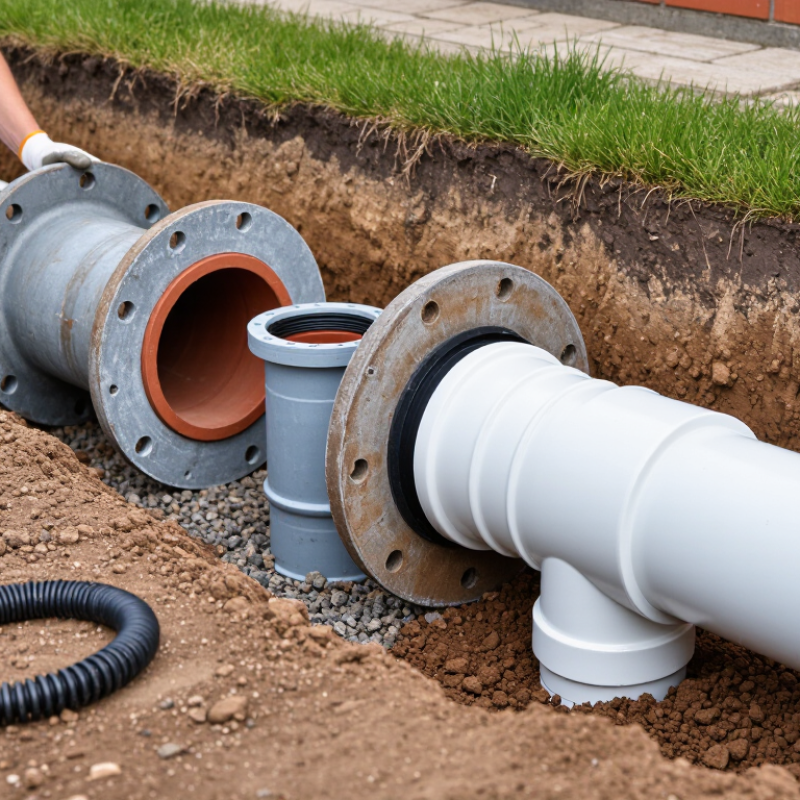
Material matters. Choosing sewer pipe connections in 2026 starts with pipe material, outside diameter, and whether the line carries gravity flow or pressure. Gasketed push-fit joints are common on gravity sewer mains and can accommodate limited movement within manufacturer specifications. Solvent-welded joints suit compatible plastic piping where permitted, creating rigid connections that require correct preparation and curing. For example, a PVC socket needs clean mating surfaces, compatible cement, and the specified insertion depth. Cement cannot compensate for a poorly fitted joint.
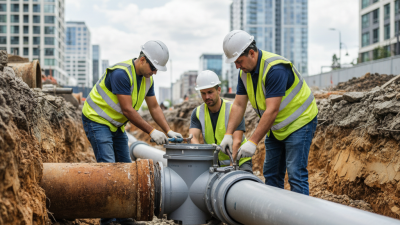
Transitions deserve attention because nominal pipe sizes do not always share the same outside diameter. A shielded transition coupling can connect different materials when specifically rated for those pipe dimensions and the installation location. Mechanical couplings also help with repairs where existing pipe cannot move enough to assemble a socket joint. Fused polyethylene joints serve suitable continuous systems, including some pressure sewers, but require trained operators and controlled procedures. I would be cautious about calling any connection “maintenance-free”; ground movement and installation errors remain practical concerns.
Tips: Check the bedding. Remove grit from gasket grooves, inspect seals, and use only the specified lubricant. Mark insertion depth before assembly so an inspector can identify incomplete engagement. Avoid forcing a misaligned pipe into place; correct its support and alignment instead. Before backfilling, complete the inspection and leakage testing required by the project specifications and local authority.
Identify Pipe Materials, Diameters, and Connection Compatibility
Choosing sewer pipe connections in 2026 starts with identifying the pipe material, outside diameter, and connection type. Check exposed sections for markings such as PVC, ABS, or cast iron. Older clay pipes may have thick walls and bell-shaped ends. Appearance alone can mislead. Dirt and corrosion often hide useful clues. Measure carefully. A nominal 4-inch pipe does not necessarily measure four inches across its outside surface. Record the outside diameter of both pipe ends before selecting a fitting.
Tips: Clean a narrow band around each pipe before measuring. Wrap a flexible tape around the circumference, then divide that measurement by 3.142 to estimate outside diameter. Check twice. Measure another location if corrosion, deposits, or an uneven surface could distort the reading.
Match the connection to both materials and the installation location. PVC solvent-weld joints require compatible sockets, suitable cement, and any primer required by the applicable instructions. Ordinary PVC cement is unsuitable for joining PVC directly to ABS. Transitions between different materials often require a specifically approved mechanical coupling. Check its listed pipe materials, diameter ranges, and suitability for buried or above-ground installation. A coupling that feels snug may still be wrong; this is an easy judgment to overtrust. Follow the specified insertion depth and clamp torque, using a torque wrench when required. Check local plumbing requirements and inspection procedures before covering the joint.
Assess Site Conditions, Flow Requirements, and Local Codes in 2026
Choosing sewer pipe connections in 2026 starts with the trench, not the fitting catalog.
Soil matters. Record burial depth, groundwater levels, nearby tree roots, and expected vehicle loads before comparing connection types. Where settlement is likely, evaluate joints rated to accommodate the expected movement while maintaining a watertight seal. For transitions between materials, verify actual outside diameters; matching nominal sizes can still produce an unreliable connection. A shielded transition coupling may suit some installations, but its approval and burial suitability need checking.
Flow requirements deserve equal attention, especially when renovations add bathrooms or commercial fixtures.
Estimate peak discharge using the sizing method required locally, rather than relying only on average daily usage. For gravity drains, check pipe diameter, slope, and the internal alignment of each connection. An offset joint can catch solids even when the fitting appears secure outside. Bigger is not automatically better. Oversizing can reduce flow depth and impair solids transport under some operating conditions. I would question a sizing choice based only on leaving room for future expansion.
Check before ordering.
In 2026, confirm which plumbing code edition and local amendments actually apply to the property. Ask the permitting authority about approved materials, transition fittings, cleanout access, inspection stages, and required leak testing. Keep product specifications and approval documentation available for inspection. A cheaper connection may look adequate on paper, yet offer poor installation access in a narrow trench. That tradeoff deserves another look before backfilling makes corrections expensive.
Compare Joint Sealing, Durability, Maintenance, and Lifetime Costs
Choosing sewer pipe connections in 2026 means comparing sealing performance, durability, maintenance access, and lifetime costs against actual site conditions. Start with the joint. Gasketed connections need clean sealing surfaces, correct insertion depth, and lubricant approved for the gasket material. A twisted gasket can allow groundwater infiltration, even when the pipe looks properly aligned. Where permitted, solvent-welded plastic joints require compatible materials, careful preparation, and adequate curing time. Neither connection type compensates for poor bedding or excessive pipe movement.
Durability depends on what happens underground. Settlement, root pressure, wastewater chemistry, and installation quality can matter more than the connector’s purchase price. For transitions between pipe materials, specify couplings approved for the application and the actual outside diameters. Nominal pipe sizes alone can mislead. Check access, too. A connection beneath a driveway may require cutting pavement during repairs, making a small leak expensive. Accessible cleanouts help crews inspect and clear the line, although they cannot prevent joint failure.
Compare lifetime costs using the same assumptions for every option: installation, inspection, cleaning, likely repairs, and surface restoration. Ask contractors to document joint specifications and the leakage testing required by the local authority. A cheaper connection may be reasonable in stable soil with straightforward access. I would still question that saving beneath finished concrete. That judgment needs checking against site evidence; paying more does not automatically deliver a longer service life. Include an allowance for uncertain ground conditions when comparing quotations.
Select Compatible Fittings and Verify Installation Requirements
Choosing sewer pipe connections in 2026 starts with identifying the existing pipe, not matching its apparent size. Check the material, nominal diameter, and actual outside diameter before ordering fittings. Measure twice. A nominal 4-inch plastic pipe and an older cast-iron pipe may require a specifically sized transition coupling. Select fittings listed or approved for the intended application under your local plumbing requirements. A coupling suitable for underground burial may have different requirements from one installed above ground. Keep product specifications available so the installer or inspector can verify compatibility.
Installation requirements deserve as much attention as fitting selection, especially where older pipe meets a new drainage run. For solvent-welded plastic joints, follow the specified preparation, cement selection, working temperature, and curing time. Some systems require primer; others use different joining methods. Never assume interchangeability. Elastomeric couplings need clean sealing surfaces and the clamp torque stated by their manufacturer. Use a torque wrench where specified, rather than tightening until the connection simply feels secure. Check pipe support, alignment, and required drainage slope before concealing the joint.
A tight connection can still perform poorly if the fitting creates an unsuitable change in flow direction. Confirm whether the location requires a drainage-pattern fitting, such as a long-sweep bend or wye. Leave required cleanouts accessible, including after cabinets, paving, or landscaping are installed. It is tempting to reuse an old adapter, but hidden distortion can make that saving questionable. Verify the required inspection and leak-testing procedure before backfilling, and photograph the exposed connections for maintenance records.