Top Tips for Choosing the Right Sewer Fittings for Your Needs?
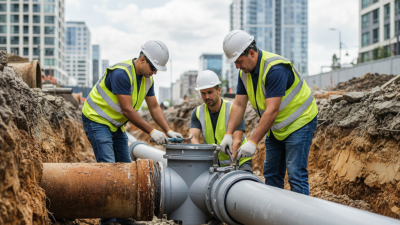
When it comes to plumbing and drainage systems, selecting the right sewer fittings is crucial. Industry expert John Smith, a licensed plumber with over 20 years of experience, emphasizes, "Choosing the right sewer fittings can make or break your plumbing system." Understanding the different types and their applications is essential for durability and performance.
Sewer fittings come in various shapes and sizes. Each type serves a unique purpose in the overall plumbing system. Homeowners often overlook this, leading to costly repairs down the line. Knowledge about materials is also important. For example, PVC is popular for its affordability and ease of installation. However, it may not be suitable for every situation.
Ignoring the nuances of sewer fittings can result in failures. It’s easy to assume that one size fits all, but that's a misconception. Proper research and expert advice can save you time and money. It's advisable to consult professionals who understand the specific requirements of your plumbing needs. This is a critical step in ensuring long-term reliability.
Understanding Different Types of Sewer Fittings and Their Applications
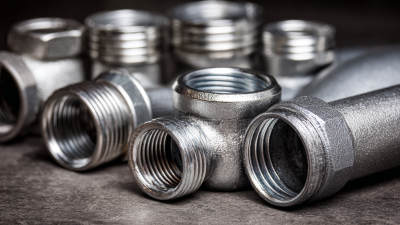
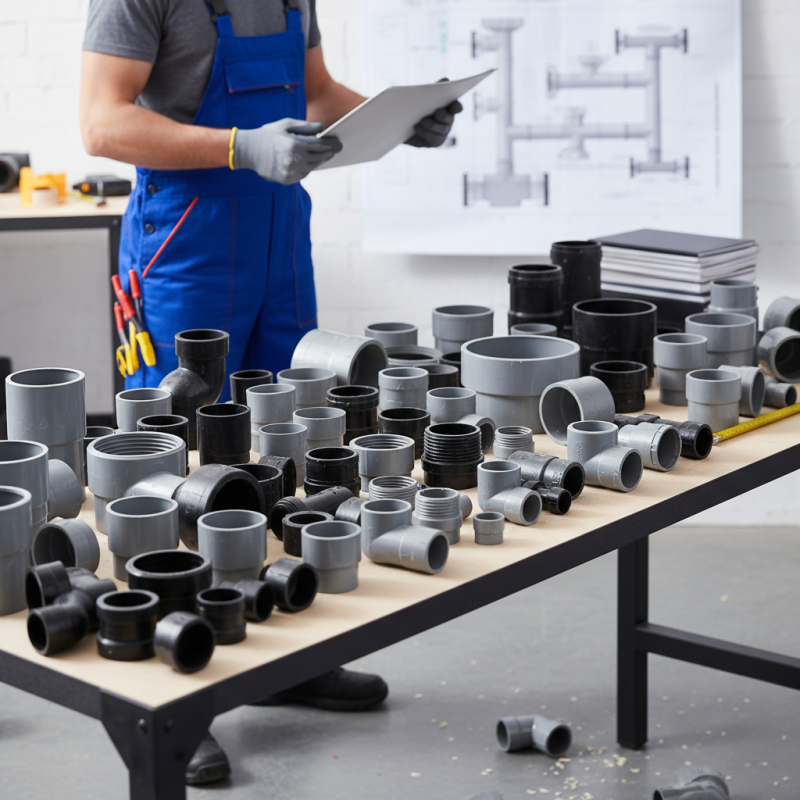
When selecting sewer fittings, understanding the different types is crucial. There are primarily two categories: drain fittings and vent fittings. Drain fittings manage the flow of wastewater. They must withstand high pressure and prevent leaks. Common options include elbows, tees, and couplings. Each serves a unique purpose. For instance, elbows change direction effectively, while tees allow connections to multiple pipes.
Vent fittings, on the other hand, play a vital role in air circulation. They prevent sewage gases from entering buildings. Typical vent fittings include air admittance valves and vent elbows. The choice between these fittings depends on the layout of your plumbing system. Improper selection can lead to serious issues over time.
Pipe material also influences fitting choice. PVC is popular due to its affordability and resistance to corrosion. However, metal fittings may be necessary in specific applications. Consider the durability and chemical resistance of materials. Balancing quality and cost is an ongoing challenge for many homeowners and contractors.
Top Tips for Choosing the Right Sewer Fittings for Your Needs
| Type of Fitting |
Description |
Applications |
Material |
| Elbow |
Used to change the direction of the sewer line. |
Bends in pipes, corners of drainage systems. |
PVC, ABS, Cast Iron |
| Coupling |
Connects two pipes of the same diameter. |
Joining sections of sewer pipes. |
PVC, ABS |
| Tee |
Allows for branching off to another pipe. |
Connecting multiple drain lines. |
PVC, ABS, Cast Iron |
| Reducer |
Connects pipes of different diameters. |
Transition from larger to smaller sewer lines. |
PVC, ABS |
| Cap |
Seals the end of a pipe. |
Ending sewer lines when not in use. |
PVC, ABS |
Key Considerations for Selecting Sewer Fittings Based on Material Types
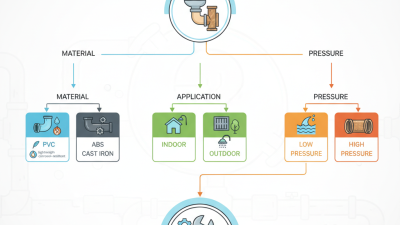
Choosing the right sewer fittings involves careful consideration of material types. Materials commonly include PVC, ABS, and cast iron. Each has its unique properties and applications. According to industry reports, PVC is lightweight and resistant to corrosion, making it a popular choice for underground installations. However, it can become brittle over time, especially in colder climates.
ABS is another viable option. It offers good impact resistance and is easy to install. Yet, it may not resist chemicals as effectively as PVC. Cast iron, on the other hand, excels in durability and sound insulation, but it is heavier and more expensive. A report from the American Society of Plumbing Engineers highlights that using the wrong material can lead to increased maintenance costs and potential failures.
When selecting sewer fittings, think about these tips: check local building codes. These regulations determine which materials are permissible. Consider the specific conditions where the fittings will be used, including soil type and chemical exposure. Remember, your choice impacts not just the installation but long-term performance as well.
Evaluating Size and Diameter Requirements for Optimal Fit and Functionality
When selecting sewer fittings, size and diameter are crucial for ensuring an optimal fit. The diameter of the piping dictates how well waste can flow. A fitting that is too large can lead to improper sealing, while one that is too small may restrict flow. Each pipe type has specific diameter requirements. It is important to consult industry standards to make informed decisions.
Evaluating the size you need can be tricky. Measurements should be accurate to avoid leaks or blockages. Using calipers can help achieve precise dimensions. Keep in mind that materials may affect dimensional changes under varying temperatures. Sometimes, fittings may not match perfectly, calling for adjustments.
Additionally, consider the available space for installation. Tight spots may limit your choices, pushing you toward compact fittings. Evaluate the surrounding area. Are there obstacles that could hinder the installation? Even minor miscalculations can lead to frustrating outcomes. Regular reflection on the fitting and installation process can improve future choices. A little extra care now can save you from costly fixes later on.
Importance of Compatibility with Local Plumbing Codes and Standards
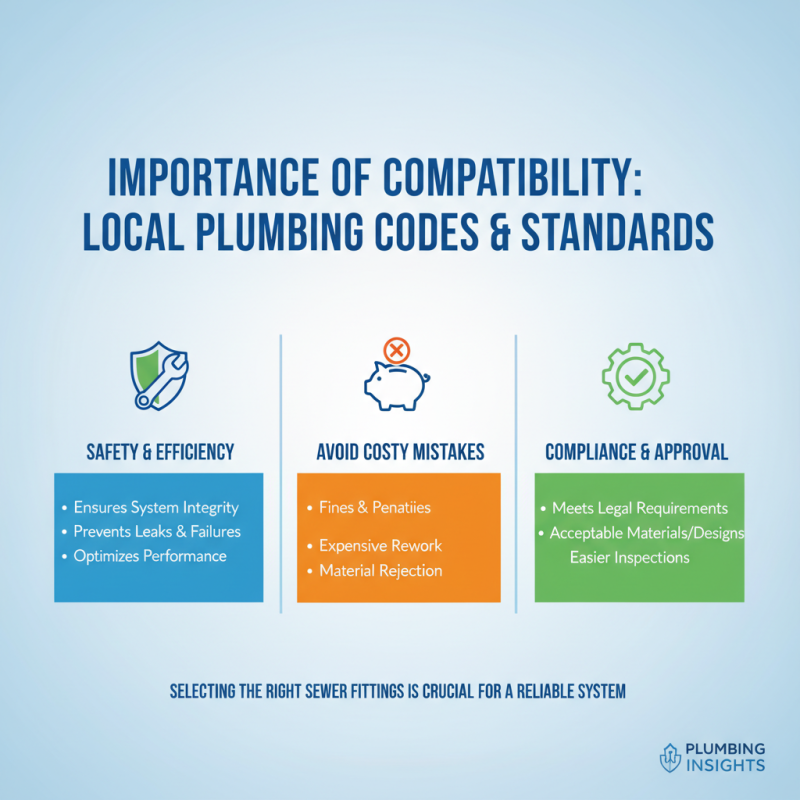
When selecting sewer fittings, it's crucial to align with local plumbing codes and standards. These regulations ensure safety and efficiency in your plumbing system. Familiarizing yourself with these codes can prevent costly mistakes. Not all fittings are created equal, and local guidelines dictate what materials and designs are acceptable for your area.
Consider the specific requirements of your locality. For instance, some regions may require specific types of materials to prevent corrosion. Researching your local plumbing authority can be invaluable. Ask the experts in your area if you're unsure about the regulations. This proactive approach can help you avoid future headaches.
When evaluating sewer fittings, ensure they are compatible with existing systems. Mismatched fittings can lead to leaks and costly repairs. Take time to assess the type and size of the fittings you need. If you're unsure, consulting a professional is wise. They can provide insights based on their experience and expertise. Always keep codes in mind as you make your choices.
Analyzing Cost vs. Quality in Sewer Fittings for Long-Term Performance
When selecting sewer fittings, cost and quality are critical factors. Low-cost fittings might seem appealing. However, they can lead to more expenses over time. For instance, cheaper materials may not withstand environmental changes. They can crack or corrode faster. Thus, understanding the long-term performance of the fittings becomes essential.
Invest in quality materials. Stainless steel and PVC pipes offer durability. They resist corrosion and are less prone to leaks. Always prioritize fittings that comply with industry standards. This ensures reliability and reduces maintenance costs.
Tip: Research the materials thoroughly before purchasing. Check for customer reviews and expert advice. This can provide insights into long-term performance.
Another important tip is to consider installation. Poorly installed fittings can fail, regardless of quality. Hiring an experienced professional can save costs in the long term. Proper installation maximizes the lifespan of your sewer system. Always evaluate both cost and quality for a successful investment.
Cost vs. Quality in Sewer Fittings
This chart illustrates the comparison between the average cost of sewer fittings and their corresponding average lifespan based on quality levels. Lower quality fittings are cheaper but have a shorter lifespan, while high-quality fittings cost more upfront but provide significant long-term savings through durability.