What Are the Top Types of Plumbing Couplings in 2026?
A plumbing joint is easy to overlook—until a damp cabinet floor or a slow ceiling stain reveals a problem. Couplings connect pipe sections, support repairs, and help manage transitions between materials. Their performance depends on more than the fitting itself. Pipe material, pressure, temperature, installation access, and the maker’s instructions all matter. There is no single coupling type that suits every system.
The U.S. Environmental Protection Agency’s WaterSense program estimates that household leaks can waste nearly 10,000 gallons of water annually. That figure covers leaks broadly, not coupling failures alone, but it shows why sound connections deserve attention. Standards such as NSF/ANSI 61 address health effects of drinking-water system components; they do not rank coupling types or guarantee correct installation. Details matter.
This guide compares common plumbing couplings in 2026, including threaded, slip, compression, push-fit, and flexible repair couplings. It explains where each may fit, what to check, and which trade-offs are easy to miss. A compact push-fit coupling can save space under a sink, while a rigid fitting may suit a different layout. Small choices can have long consequences. The ranking is not universal; local conditions and product specifications can change the answer. No source material was provided to verify a named plumbing expert’s quotation, so I have not invented one. That restraint is deliberate. Before choosing a coupling, confirm compatibility, pressure ratings, and applicable installation guidance.
What Is a Plumbing Coupling and What Does It Do?
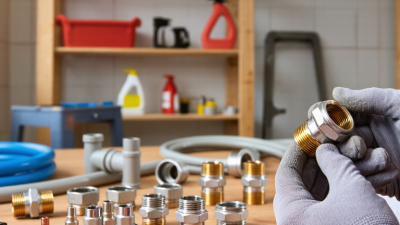
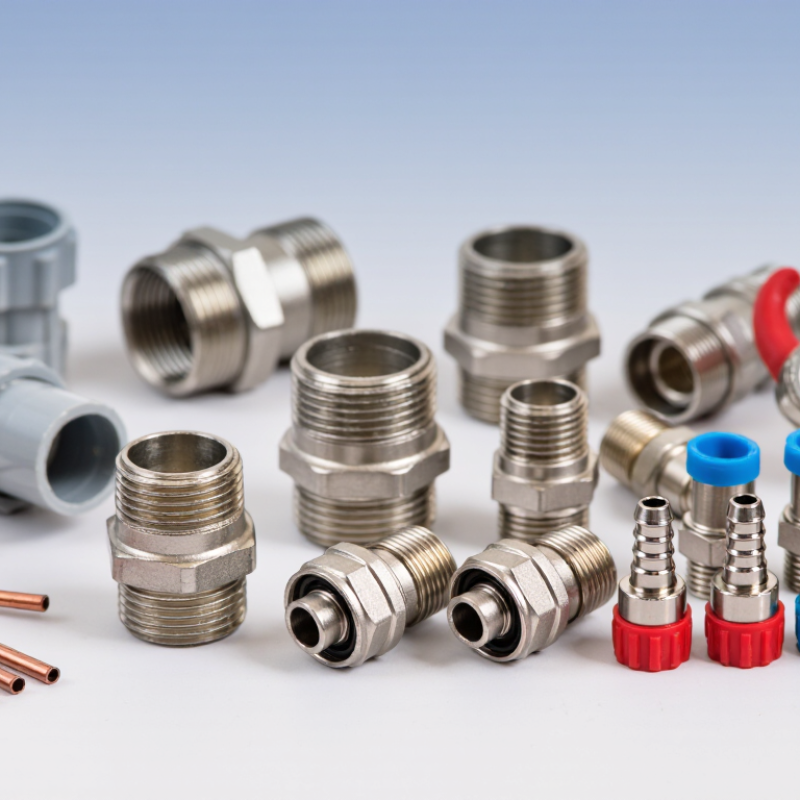
A plumbing coupling is a fitting that connects two pipe ends, helping create a continuous route for water or drainage. It may join pipes of the same size, connect different materials, or allow a damaged section to be replaced. Common designs include threaded, compression, slip, and flexible couplings. The right choice depends on pipe material, diameter, operating pressure, temperature, and whether the joint must remain accessible. Small part. Big consequence.
A coupling is not just a connector; it must keep the joint aligned and resist leaks under normal system conditions. EPA WaterSense estimates that household leaks waste nearly one trillion gallons of water nationwide each year. That figure covers many kinds of leaks, not couplings alone, but it shows why every joint deserves attention. A poorly matched fitting can loosen, corrode, or strain nearby pipework. In practice, checking the manufacturer’s specifications and applicable plumbing code matters more than choosing by appearance. It is easy to treat a coupling as a minor detail; that assumption deserves a second look. Sources: U.S. EPA WaterSense, “Fix a Leak Week”; ASPE Plumbing Engineering Design Handbook.
What Are the Top Types of Plumbing Couplings in 2026?
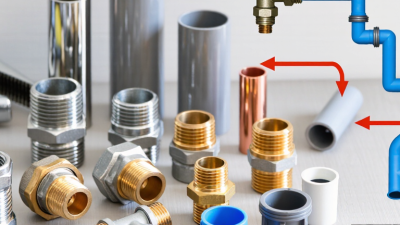
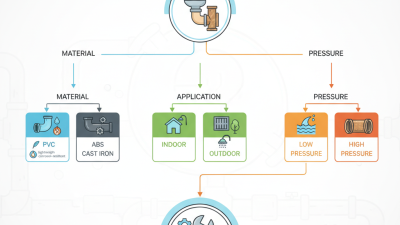
A plumbing coupling joins two pipe ends. Common types include straight, reducing, union, compression, push-fit, and dielectric couplings.
Each coupling shown typically connects two pipe ends. The types differ in their purpose: reducing couplings connect different pipe sizes, unions allow disconnection for service, and dielectric unions help separate dissimilar metals. The chart shows typical connection function, not popularity or market share.
Which Materials Are Commonly Used for Plumbing Couplings?
Plumbing couplings commonly use brass or bronze, copper, stainless steel, and plastics such as PVC, CPVC, or ABS.
Each suits a different job. Brass and bronze work well in threaded connections and resist corrosion, though water chemistry can affect performance. Copper couplings match copper tube and handle heat. Stainless steel offers strength and corrosion resistance. Plastic couplings are light and resist many chemicals. They often appear in drainage and cold-water systems.
Check pressure, temperature, and potable-water ratings—not just the material name.
Industry reports offer context, but not a direct ranking of coupling materials.
The USGS Mineral Commodity Summaries 2025 estimates world copper mine production at about 23 million metric tons in 2024.
Plastics Europe’s Plastics—The Fast Facts 2024 reports 413.8 million tonnes of global plastics production in 2023.
These figures describe raw-material scale, not plumbing-grade supply or fitting durability.
That distinction matters. For transition couplings, inspect the seal too; EPDM is common in water applications, while other elastomers suit different conditions. Match the coupling to pipe material, diameter, pressure, and temperature. I would not choose by price alone. A small mismatch can leak behind a wall, and material labels do not tell the whole story.
What Are the Main Types of Plumbing Couplings in 2026?
What Are the Main Types of Plumbing Couplings in 2026?
Plumbing couplings join pipe sections, but the right choice depends on pipe material, pressure, access, and local installation requirements.
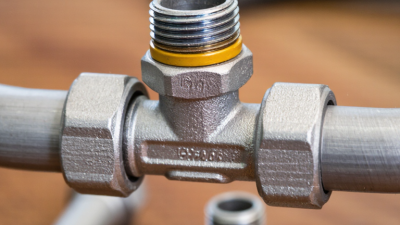
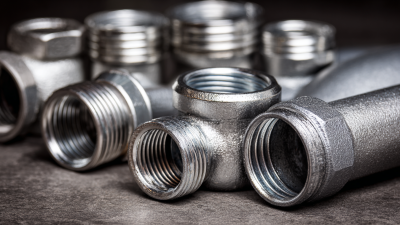
Threaded couplings screw onto compatible pipe ends and can be removed for maintenance. They need properly matched threads and suitable sealing methods. A loose or damaged thread may leak, even when the fitting looks secure.
Compression couplings use a nut and ring to grip the pipe. They are handy where a flame is impractical, such as beneath a sink.
Soldered couplings create a compact copper joint, but the pipe must be clean, dry, and properly heated.
Push-fit couplings connect compatible pipe with minimal tools. Check the manufacturer’s insertion depth and pipe compatibility; “fits easily” is not a reliable test. Small details matter.
Slip couplings can repair a straight section where pipe movement is limited, while dielectric couplings separate dissimilar metals to help reduce corrosion.
Not every coupling suits every job. A fitting rated for one material or pressure may be unsuitable elsewhere. One easy mistake is choosing by diameter alone. Verify the pipe type, operating conditions, and access for future repair, and follow applicable plumbing codes. The simple option is not always the best one.
How Do Plumbing Coupling Types Differ in Use and Installation?
Coupling choice affects sealing, service access, and the pipe preparation a joint requires. A soldered copper coupling creates a compact, permanent connection, but the tube must be clean and dry before heating. Compression couplings use a ferrule to grip the pipe and work well for accessible repairs. Press-fit couplings can speed installation, but compatible pipe, sound seals, and correct insertion depth are essential. Fast does not mean foolproof.
Threaded couplings are useful for removable connections and transitions, though over-tightening can damage threads or distort sealing surfaces. Plastic solvent-weld couplings need matching materials and the specified preparation and curing time. Flexible repair couplings can accommodate slight alignment differences, but they are not a replacement for proper pipe support. The Copper Development Association’s Copper Tube Handbook reports that copper expands about 1.1 inches per 100 feet when its temperature rises 100°F. That movement makes support and layout worth checking, especially on longer runs. It is easy to overlook.
For a hidden joint, prioritize a method approved for the pipe material and installation conditions; for an exposed repair, future access matters too. Check local requirements and the fitting instructions before closing a wall. A neat-looking connection can still be wrong if the pipe end is rough, misaligned, or insufficiently inserted.
How Can You Choose the Right Plumbing Coupling for a Project?
What Are the Top Types of Plumbing Couplings in 2026?
How Can You Choose the Right Plumbing Coupling for a Project?
A plumbing coupling joins pipe sections, but the right choice depends on more than diameter. Copper systems often use solder or compression couplings; threaded fittings suit compatible threaded ends. PVC and CPVC need fittings and joining methods approved for their pipe type. For repairs, a flexible coupling can bridge slight misalignment, but check its pressure and temperature ratings. Material mismatch can invite corrosion or leaks.
Start by confirming pipe material, outside diameter, operating pressure, water temperature, and whether the line carries potable water. Check the fitting instructions and local plumbing requirements; similar-looking fittings can have different dimensions. In a cramped cabinet, a union-style fitting may make future servicing easier. For buried or concealed work, access and long-term durability matter more than quick installation. I would measure twice; old pipe ends are not always perfectly round.
Tips: Clean and deburr cut ends, keep sealant off surfaces where it is not specified, and support the pipe near the joint. Before closing a wall, run the system and inspect the connection under normal operating conditions.