Made in America
Get Connected With

Opening Hours M-F: 07:00 AM to 4:00 PM (PST)




Email Us
sale@abrvpartsacc.com
Call Us
+1 (626) 448-2100Made in America
Get Connected With
Opening Hours M-F: 07:00 AM to 4:00 PM (PST)
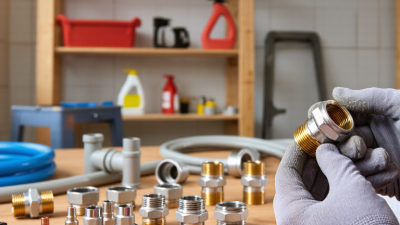
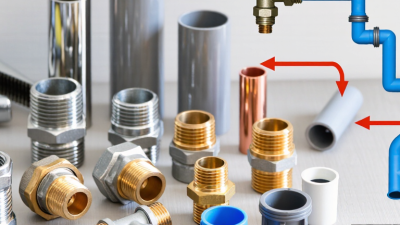
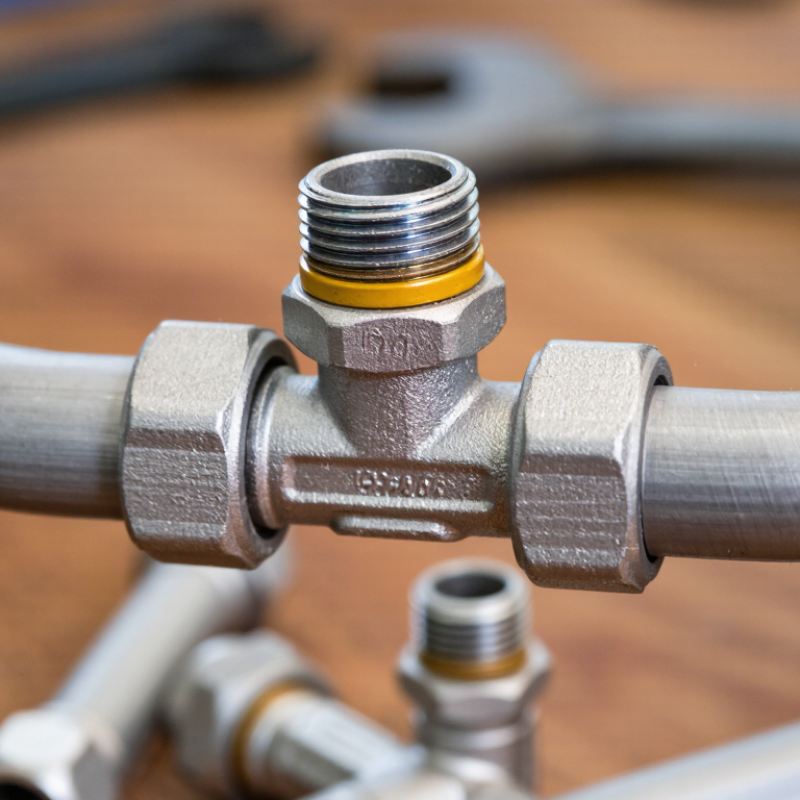
Plumbing couplings are small fittings with a major responsibility. They connect two pipe sections, repair damaged lines, or join different materials. A coupling may look like a short metal or plastic sleeve. Inside, threads, compression rings, or solvent-weld surfaces create the connection. The correct choice depends on pipe material, diameter, pressure, temperature, and installation conditions.
Industry guidance makes the stakes clear. The U.S. Environmental Protection Agency’s WaterSense program reports that household leaks can waste nearly one trillion gallons of water annually across the United States. A poorly sealed coupling can contribute to that waste, even when the leak begins as a barely visible bead. The IAPMO Uniform Plumbing Code and ASTM material standards also emphasize compatible components, proper preparation, and tested performance. These standards support safer decisions, but they do not replace careful workmanship.
Richard Trethewey, a plumbing and HVAC expert known for This Old House, offers a useful principle: “The best plumbing is the plumbing you don’t see.” That idea applies to couplings, but it needs one correction. Hidden work must remain accessible enough for inspection and repair. A coupling should not be selected only because it fits. Alignment, movement, corrosion, and future maintenance matter too. This guide explains how plumbing couplings work, where different designs perform best, and which installation mistakes deserve attention. The details are practical: a clean pipe end, an even insertion depth, and a joint tested before the wall closes. Small omissions can become expensive failures.
What Are Plumbing Couplings and How Do They Work?
A plumbing coupling joins two pipe sections in a straight line. It changes neither pipe direction nor system layout. Instead, it restores continuity after cutting, extending, or repairing a pipe. Straight couplings serve matching diameters, while reducing couplings connect different sizes. Their bodies may be made from plastic, copper, steel, or other compatible materials.
Installation depends on the coupling design. Threaded models need clean, aligned threads and suitable sealing material. Solvent-welded plastic fittings require dry, square pipe ends and correct preparation. Press, compression, and soldered connections each follow different procedures. Never force misaligned pipes into place. That stress can create a hidden leak later. A dry fit may feel secure, but it is not a seal. After assembly, inspect the joint and test the line gradually.
Tips: Measure twice before cutting. Remove burrs from every pipe end. Mark the insertion depth when possible. Keep sealing surfaces clean and dry. Check material compatibility, pressure ratings, and temperature limits before installation. Even experienced installers can overlook a small scratch or uneven cut. That detail may matter more than the coupling itself. Consult local plumbing requirements when the repair affects concealed lines or potable water.
| Coupling Type | How It Joins Pipes | Common Pipe Materials | Typical Uses | Direction Change | Important Installation Note |
|---|---|---|---|---|---|
| Slip Coupling | Slides over two aligned pipe ends and is secured by solvent cement, solder, or another material-specific joining method. | PVC, CPVC, copper, and other compatible systems. | Permanent repairs and extensions where the pipe ends are accessible. | Maintains a straight run. | Pipe ends must be cut square, clean, and properly prepared for the selected joining method. |
| Repair Coupling | A compact or extended sleeve connects replacement pipe after a damaged section has been removed. | PVC, CPVC, copper, PEX, and other systems depending on the fitting design. | Fixing leaks, cracks, or localized pipe damage in a straight section. | Maintains a straight run. | Some designs allow limited axial movement during installation, but the pipe must still be properly supported. |
| Compression Coupling | Nuts and compression rings tighten around the pipe to create a mechanical seal. | Copper, polyethylene, and other approved tubing types. | Accessible repairs and connections where soldering or solvent welding is undesirable. | Maintains a straight run. | The tubing must be fully inserted and free from deep scratches, severe dents, or excessive out-of-roundness. |
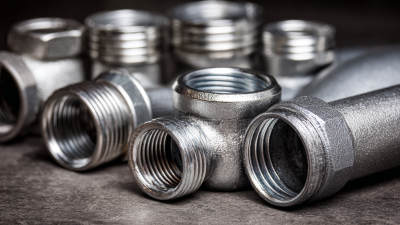
| Threaded Coupling | Internal threads engage with matching external pipe threads to form a mechanical connection. | Steel, galvanized steel, brass, and compatible threaded plastic systems. | Joining threaded pipe sections in water, air, or other approved services. | Maintains a straight run. | Use compatible thread sealant when required, and avoid overtightening, which can damage threads or fittings. |
| Dielectric Coupling | Combines a mechanical seal with an insulating barrier between dissimilar metals. | Commonly used between copper and steel or other dissimilar metal piping. | Reducing the likelihood of galvanic corrosion at a metal transition. | Maintains a straight run. | The insulating components must remain correctly positioned and intact after assembly. |
| Grooved Coupling | A gasket sits between grooved pipe ends, while the coupling housing engages the grooves and is tightened with bolts. | Ductile iron, steel, and other grooved piping systems. | Commercial, industrial, fire-protection, and mechanical piping installations. | Normally maintains a straight run. | Gasket type, groove dimensions, bolt tightening, and pipe alignment must match the applicable system requirements. |
| Reducing Coupling | Connects two pipes with different nominal diameters through a single in-line fitting. | PVC, CPVC, copper, brass, steel, and other compatible systems. | Changing pipe size while keeping the pipeline on the same centerline. | Maintains a straight run. | Select the fitting based on both pipe sizes, service conditions, and the approved joining method. |
| Flexible Coupling | A gasketed sleeve and clamps or housings seal the pipe ends while allowing limited movement. | Cast iron, ductile iron, steel, PVC, and other approved pipe combinations. | Repairs, transitions between compatible pipe materials, and accommodation of minor movement. | Joins pipes in line; permits limited movement. | It is not intended to act as an elbow; pipe support and restraint requirements depend on the system design. |