Made in America
Get Connected With

Opening Hours M-F: 07:00 AM to 4:00 PM (PST)




Email Us
sale@abrvpartsacc.com
Call Us
+1 (626) 448-2100Made in America
Get Connected With
Opening Hours M-F: 07:00 AM to 4:00 PM (PST)
Repair failures rarely begin with the coupling alone. A mismatched pipe diameter, rough surface, or rushed installation can turn a small leak into costly downtime. For global buyers, choosing a repair coupling means weighing pipe material, pressure rating, corrosion resistance, installation access, and replacement-part availability. The details matter. A coupling that fits neatly in a catalog may be awkward to tighten in a wet, cramped trench.
The World Bank’s 2006 report, The Challenge of Reducing Non-Revenue Water in Developing Countries, describes average water losses of roughly 35% in developing-country systems. That figure is not a measure of coupling failures; it does show why dependable repairs deserve careful attention. Water-resource expert Peter H. Gleick has said, “The water crisis is a crisis of governance, not scarcity.” His point is broader than pipe fittings, but it underscores the value of sound infrastructure decisions. No product fixes poor planning.
This guide compares 10 repair coupling options for buyers evaluating real-world service conditions. It considers materials, sealing design, pressure suitability, installation requirements, and practical limitations. There is no universal winner. Specifications and site conditions must be checked, and product claims should be verified against manufacturer documentation and applicable engineering requirements. Even a well-made coupling can disappoint when the pipe is out of round or the installation space is tight. That part is easy to underestimate.
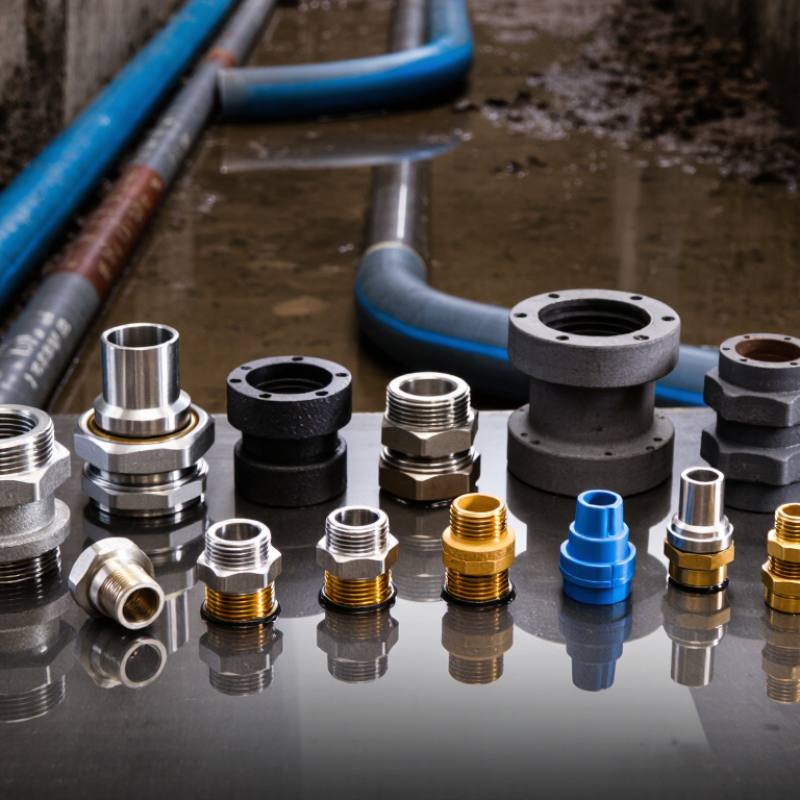
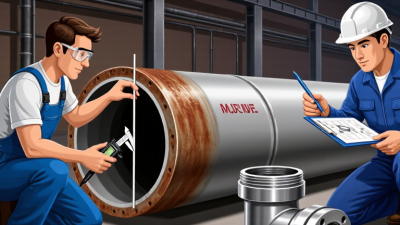
AWWA C219 covers bolted, sleeve-type couplings for plain-end pipe in nominal sizes from 2 to 144 inches. That range spans small service lines and large transmission mains. Size alone, however, does not confirm a coupling will fit. Pipe outside diameter, material, wall condition, and joint gap all matter. Measure twice.
For a repair, inspect the damaged section and confirm the pipe ends are sound enough to seal. Compare measured dimensions with the coupling’s published range, then check pressure requirements and service conditions. A coupling suited to one pipe material or pressure may not suit another. Follow the applicable standard edition and the manufacturer’s installation instructions, including bolt-tightening guidance. Keep the sealing surfaces clean; grit or corrosion can compromise a seal. I would not rely on nominal size alone—it is an easy assumption to make, and an expensive one to discover after installation. A qualified field assessment can help confirm fit, restraint needs, and whether the pipe damage requires more than a sleeve coupling.
| Selection Profile | Typical Application | Coupling Considerations | Key Dimensions and Data to Verify | Standard and Installation Checks |
|---|---|---|---|---|
| 1. Standard sleeve coupling | Joining plain-end pipe sections in water pipelines. | Choose a sleeve and gasket arrangement compatible with the pipe material and service conditions. | Measure actual outside diameter (OD) at both pipe ends; confirm the coupling’s stated OD range and required gap between pipe ends. | AWWA C219 covers bolted, sleeve-type couplings for plain-end pipe in nominal sizes from 2 to 144 inches. Confirm the applicable edition and product documentation. |
| 2. Full-circumference repair coupling | Repairing a localized leak or damaged area on a pipe barrel. | Check that the sealing element spans the damaged area and that the pipe can safely accept the required clamping load. | Record pipe OD, damage length, damage width, and the available straight pipe length on each side of the repair. | Do not assume every joining coupling is designed for barrel repairs. Follow the coupling maker’s repair-use and installation instructions. |
| 3. Wide-range OD coupling | Connections where measured pipe ODs vary within a specified range. | Useful only when the actual OD difference falls within the coupling’s published limits and the gasket can seal both ends. | Measure each pipe end separately at several points; note ovality and any coating thickness that affects fit. | “Wide range” is not a universal dimensional rating. Verify the exact minimum and maximum OD for the selected size. |
| 4. Ductile-iron pipe connection | Water-main work involving plain-end ductile-iron pipe. | Confirm material compatibility, pipe class or wall details where relevant, and whether the design accommodates the pipe’s exterior finish. | Use actual barrel OD rather than relying on nominal pipe size alone; check end condition and available insertion depth. | Verify the coupling is explicitly suitable for the pipe and service. Follow the specified bolt-tightening sequence and torque instructions. |
| 5. PVC pipe connection | Repair or joining work on plain-end PVC pressure pipe. | Use a coupling designed for the pipe’s OD and material; avoid excessive tightening that could damage the pipe. | Confirm the pipe standard, nominal size, actual OD, pressure class, and permitted coupling range. | Check compatibility with the pipe manufacturer’s installation requirements and the coupling’s published pressure limits. |
| 6. Steel pipe connection | Water-service steel pipe with plain ends, including repair or replacement sections. | Assess surface condition, coatings, corrosion, and whether the coupling gasket is suitable for the conveyed water and service. | Measure OD at both ends and inspect for dents, weld beads, corrosion, or coating buildup in the sealing area. | Confirm pressure and end-restraint requirements for the specific installation; a coupling’s pressure rating does not by itself establish thrust restraint. |
| 7. Stainless-steel coupling components | Applications where corrosion resistance of coupling components is a selection priority. | Specify the required component materials and consider the surrounding environment and potential galvanic interaction. | Check sleeve, bolts, nuts, and other exposed components separately; verify gasket dimensions and material. | Material choice does not replace verification of pressure rating, pipe compatibility, or applicable drinking-water requirements. |
| 8. Restrained coupling arrangement | Locations where axial movement or separation must be controlled by the connection system. | Determine whether the coupling itself provides restraint or requires a separate restraint system. | Document pipe OD, design pressure, expected loads, joint layout, and any changes in direction or elevation. | Have thrust and restraint needs evaluated for the installation. Do not infer restraint capability from a standard sleeve coupling description. |
| 9. Large-diameter coupling | Large water pipelines requiring a coupling sized to measured pipe ends. | Plan for handling, alignment, gasket placement, bolt access, and controlled tightening across the full circumference. | Record actual OD, out-of-roundness, end separation, sleeve length, and available installation clearance. | AWWA C219’s stated nominal size scope extends through 144 inches; verify the selected coupling’s specific size, rating, and availability. |
| 10. Potable-water service configuration | Water systems where components contact drinking water. | Specify gasket and wetted-component materials that meet the project’s local drinking-water requirements. | Confirm pipe OD, service temperature, design pressure, conveyed fluid, and required material documentation. | Check applicable local approvals and project specifications. Requirements differ by jurisdiction and are separate from coupling size coverage. |
Important sizing note: Nominal pipe size is not a substitute for measured outside diameter. Coupling fit, pressure capacity, material compatibility, and installation limits depend on the specific design and size. Confirm these details in the current product documentation and applicable project specifications before purchase or installation.