What Is a Storm Water Pipe and How Does It Work?
A storm water pipe is easy to overlook until rainwater rushes along a curb, enters a grate, and disappears underground. The pipe carries runoff from streets, roofs, and paved lots toward an outlet or another part of the drainage network. Its job sounds simple. The details are not.
Stormwater researcher Robert Pitt has studied how runoff and drainage systems affect water quality. A concise paraphrase of the engineering principle reflected in his work is: “A storm water pipe moves runoff, but the wider system determines where it goes.” This is a paraphrase, not a verified direct quotation. It points to an important distinction: a pipe transports water, but does not by itself prevent flooding or remove pollutants.
Inside the system, gravity often guides flow through sloped pipes. Inlets collect surface water; joints and pipe walls keep it moving; outlets release it into a ditch, stream, pond, or other approved receiving area. During heavy rain, leaves, sediment, or undersized sections can restrict that flow. Then water may pool where drivers least expect it. Not ideal. Pipe material, diameter, slope, maintenance, and local site conditions all matter, and no single design suits every location. A storm water pipe is one working link in a larger network—not a complete solution on its own. This guide explains its parts, movement, and practical limits, while keeping one question in view: where does the runoff go next?
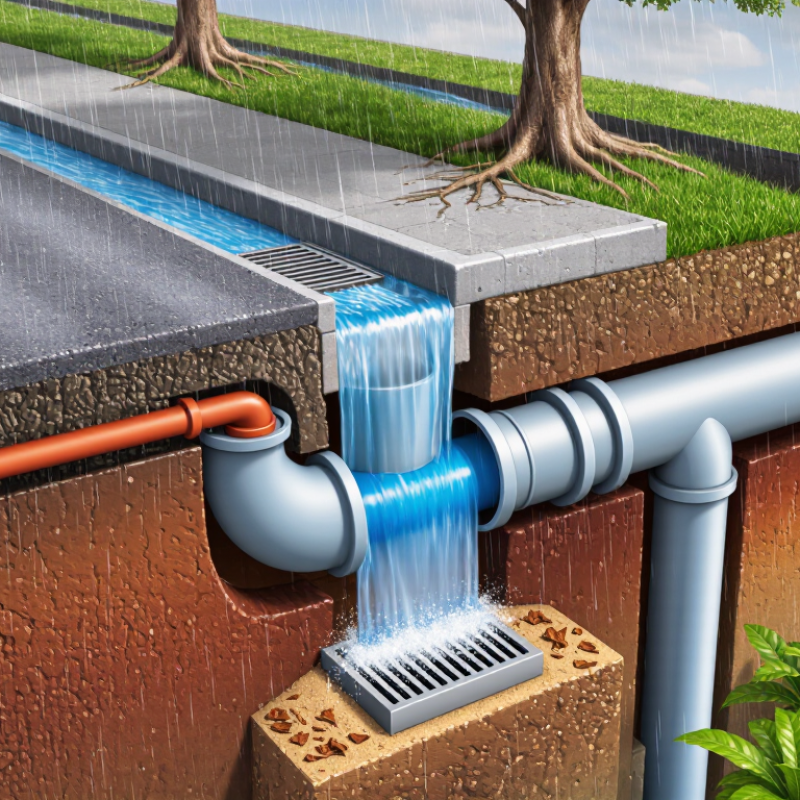
What a Storm Water Pipe Is and What It Is Designed to Carry
A storm water pipe is a buried or exposed conduit that moves rainwater runoff away from places where it could collect.
It is designed to carry water from roof gutters, yard drains, street inlets, and paved surfaces.
Not sewage.
In many systems, runoff travels through grated openings before entering a larger pipe. Leaves, grit, and small pieces of litter can enter too, so the pipe does not always carry clean water.
The pipe’s route and size depend on the area it serves, expected rainfall, ground slope, and where the water can safely go.
Gravity often moves runoff downhill through pipes laid at a steady grade.
Where terrain is flat or water must travel uphill, pumps may be needed. The pipe may discharge into a drainage channel, a retention basin, or another approved stormwater facility.
During heavy rain, that destination matters: a pipe can carry water efficiently but cannot prevent flooding if downstream channels are already full.
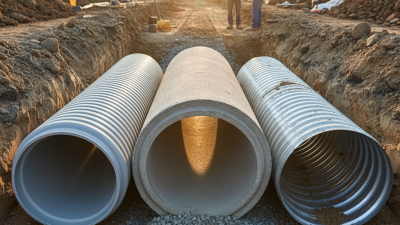
Materials and joints must withstand soil pressure, moisture, and the flow expected at the site. A small residential line may handle roof runoff, while a street drainage pipe serves a much larger catchment.
It sounds straightforward.
Yet sediment can settle in low spots, and roots or crushed sections can restrict flow. Inspection helps identify problems, though a camera check may not reveal every issue outside the pipe.
A storm water pipe is one part of a wider drainage system, not a complete solution on its own.
The Main Components of a Storm Water Pipe System
What Is a Storm Water Pipe and How Does It Work?
The Main Components of a Storm Water Pipe System
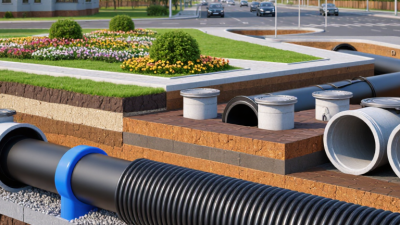
A stormwater pipe system is more than a buried tube. Its components collect runoff, move it, and release or store it. At street level, curb inlets and grated catch basins capture rainwater. Screens may catch leaves and litter before water enters smaller lateral pipes. These laterals connect to larger main pipes. That connection matters.
Manholes give crews access to inspect pipes and clear blockages, especially at junctions or changes in direction. At the system’s end, an outfall directs water into a receiving channel or water body. Some systems also use detention basins or underground storage to temporarily hold peak flows. Controls can regulate how quickly stored water is released. The American Society of Civil Engineers’ 2021 Infrastructure Report Card assigned U.S. stormwater infrastructure a D grade, highlighting aging systems and ongoing maintenance needs.
During heavy rain, pipe slope and diameter affect how quickly water moves. A blocked inlet can cause street ponding even when the downstream pipe has spare capacity. A clear grate is no guarantee, either; sediment may be hidden below it. I may be simplifying a complex network, since local rainfall, soil, and maintenance all affect performance. Regular inspections help reveal problems before a small obstruction becomes a larger drainage issue.
What Is a Stormwater Pipe and How Does It Work?
A stormwater pipe carries runoff from inlets and catch basins to an outlet, such as a drainage channel, pond, or other approved receiving point.
Main components: inlets collect surface runoff, catch basins can trap debris and sediment, pipes convey the water, access structures allow inspection and maintenance, and the outlet releases flow. The chart shows examples of nominal pipe diameters; actual sizes depend on site conditions and engineering design.
How Rainwater Enters and Moves Through the Pipe
Rainwater usually enters a storm water pipe through a street grate, curb opening, roof drain, or yard inlet. A grate catches leaves and litter, but fine grit can pass through. At a curb, water may gather in a shallow gutter before slipping into the opening. You can often see this happen during a steady shower.
Inside a catch basin, the water may slow briefly. Some heavier sand settles at the bottom, though the basin does not remove every pollutant. From there, water enters a pipe set at a slight downward grade. Gravity does most of the work. The pipe may run beneath a road or across a property, joining larger pipes as more runoff arrives. Not always smoothly. A blocked grate, settled sediment, or a pipe with a poor slope can slow the flow and leave water pooling above ground.
The pipe carries runoff toward an approved outlet, such as a pond, infiltration area, or nearby waterway. During light rain, it may carry a shallow stream; in a downpour, it can fill much more quickly. Flow depends on rainfall, ground cover, pipe size, and how well the inlet stays clear. Looking at the surface alone does not reveal the pipe’s condition, so persistent pooling deserves a closer inspection.
Where Storm Water Pipes Release Collected Runoff
A storm water pipe carries rain from streets, roofs, and drains toward a designed outlet. That outlet may open into a creek, river, lake, coastal water, or a managed pond. In some neighborhoods, it leads to an infiltration basin, where runoff soaks into the ground instead. The destination depends on local drainage plans and site conditions. It is not always obvious from the street.
At the pipe’s end, a concrete opening or metal grate may sit below a road embankment. After a heavy shower, water can surge out carrying leaves, grit, and litter. The pipe usually moves water; it does not necessarily clean it. Some systems include screens, settling areas, or other treatment before discharge, while others rely on downstream controls. It is tempting to picture every outlet as a simple tunnel to a stream. That picture is incomplete.
The release point matters because fast-flowing water can scour soil and banks. Engineers may use rock aprons, planted edges, or energy-dissipating structures to slow the flow. These features need inspection, especially after storms, when debris can block an outlet or expose erosion. A pipe can look sound while its discharge point is failing. And a pond or wetland is not automatically a treatment system; its design and upkeep determine what it can do.
How Pipe Design and Maintenance Affect Performance
What Is a Storm Water Pipe and How Does It Work?
A storm water pipe carries runoff from street inlets, roof drains, or roadside channels to a pond, stream, or other approved outlet. Its performance depends on more than diameter. Pipe slope, inlet spacing, material, joint quality, and downstream water levels all affect how quickly water moves. The Federal Highway Administration’s Urban Drainage Design Manual, HEC-22, treats runoff estimates, inlet capture, pipe capacity, and the hydraulic grade line as connected design checks. A pipe sized without considering its outlet can still surcharge during a hard downpour. Small details matter.
Maintenance keeps those design assumptions closer to reality. Sediment can build into a shallow ridge at a pipe joint, while leaves and litter can block an inlet before water reaches the pipe. Routine inspections, debris removal, and targeted camera surveys help locate these problems. They also reveal cracks, displaced joints, or root intrusion. The U.S. EPA’s 2022 Clean Watersheds Needs Survey estimated $115.3 billion in stormwater infrastructure needs nationwide. That figure describes broad investment needs, not a pipe-failure rate, but it shows the scale of the challenge. Field conditions can surprise even experienced crews; inspection schedules may need adjustment after storms, construction, or repeated blockages.