Made in America
Get Connected With



Choosing the right storm drain pipe is more than selecting a diameter from a product catalogue. It requires a clear understanding of rainfall, soil conditions, traffic loads, water flow, and installation limits. A pipe placed beside a quiet garden may face very different demands from one installed beneath a busy roadway. Small details matter, including pipe slope, joint quality, bedding material, and the location of inspection points.
Real projects often reveal problems that drawings do not show. I have seen drainage plans change after contractors discovered soft soil, shallow utilities, or unexpected groundwater. That experience supports a practical approach: compare pipe materials, calculate expected flow, and confirm the design with qualified drainage professionals. Do not rely on appearance alone. A smooth interior may improve flow, but poor connections can still cause leaks, blockages, or soil loss. The cheapest option may not remain economical after repeated repairs.
This guide explains how to evaluate a storm drain pipe for residential, commercial, and infrastructure projects. It considers durability, hydraulic performance, load resistance, maintenance access, and local installation requirements. Regional standards should always be checked before construction begins. Conditions vary widely. Even careful recommendations can miss a site-specific risk. That is why field inspections, accurate measurements, and professional review remain essential. The best choice is not simply the strongest pipe. It is the pipe that fits the site, the expected water volume, the available budget, and the maintenance plan.
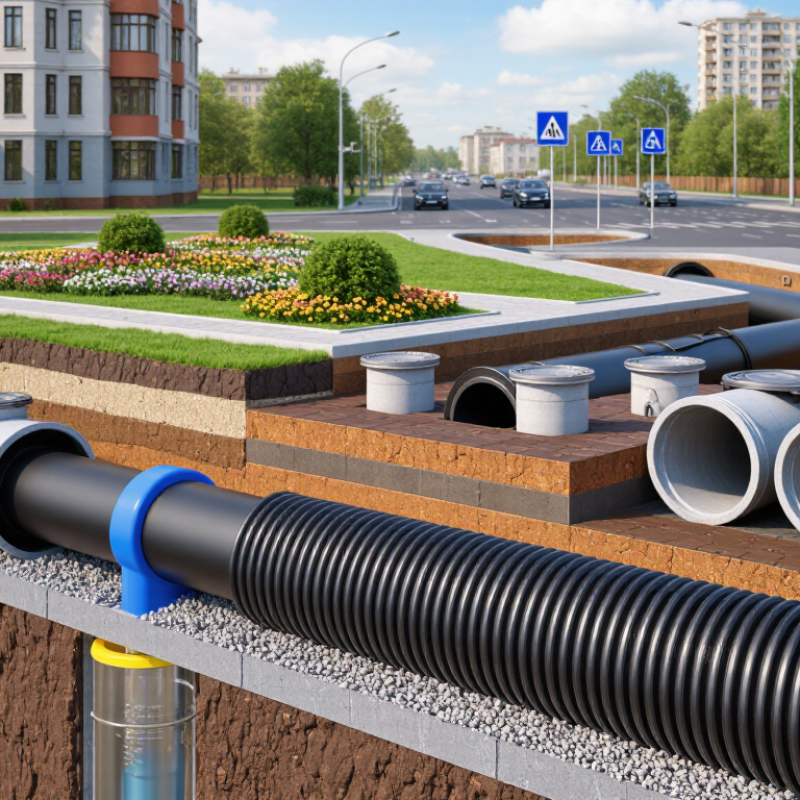
Storm drain pipes carry runoff from roofs, roads, and paved areas toward a discharge point or detention system. Their job is controlled conveyance, not simply moving water as quickly as possible. Inlet capacity, pipe slope, and downstream restrictions all affect whether water backs up during heavy rain. A poor match can leave standing water near entrances or scour soil at an outlet. Small details matter.
Site requirements guide pipe selection. Check the drainage area, local rainfall data, expected peak flow, and available fall between the inlet and outlet. Then assess burial depth, traffic loads, soil stability, groundwater, and exposure to sediment or chemicals. A pipe beneath a parking lane needs suitable load capacity; a shallow run may face different constraints. Verify joint compatibility and installation guidance for the chosen material, since uneven bedding can cause settlement or leakage. It is easy to overlook.
Field conditions can differ from drawings. Walk the route after rain, note low spots, and confirm where maintenance access will be needed. Grates and cleanouts should remain reachable, while the outlet may need protection against erosion. Have a qualified drainage professional review hydraulic calculations and local requirements before installation. Even careful plans miss something. That is worth admitting.
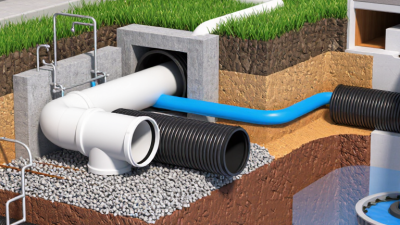
Choosing a storm drain pipe starts with the site, not the pipe catalog. Measure the drainage area, rainfall intensity, ground slope, and expected runoff. A small residential yard may need a different solution than a large parking surface.
Pipe material affects strength, roughness, weight, and service life. Concrete handles heavy loads well, but it requires careful joints and lifting equipment. High-density polyethylene is light, flexible, and resistant to many soil conditions. PVC offers a smooth interior, which can reduce friction. However, material performance depends on bedding, backfill, temperature, and installation quality.
I have seen a durable pipe fail because the trench support was poor. Material alone cannot fix bad construction.
Size and shape must match the required flow capacity. Engineers often use rainfall data and hydraulic calculations, including pipe slope, roughness, and allowable water depth. A larger diameter does not automatically solve every drainage problem. The inlet may restrict flow first. Round pipes are common and hydraulically efficient. Elliptical or arch shapes can provide more width where vertical clearance is limited. Box sections suit shallow crossings but may need stronger structural design. Check both normal flow and intense storm conditions. Leave practical access for inspection and cleaning. Real sites rarely match drawings perfectly. Recheck elevations after excavation, because a small grade error can reduce flow and create standing water. Local drainage codes and a qualified engineer should guide the final selection.
How to Choose the Right Storm Drain Pipe?
Evaluating Soil Conditions, Installation Depth, and Structural Loads
Soil conditions and burial depth shape a storm drain pipe’s real-world performance. Begin with a site investigation: note groundwater, soil type, and whether the trench sides remain stable during excavation. Fine, wet soils can soften around a pipe, while poorly compacted granular backfill may leave voids. Neither condition is obvious once the trench is closed. Check the geotechnical report, and confirm whether seasonal groundwater could change the installation conditions.
Depth alone does not determine load. Traffic, backfill density, trench width, and installation quality all matter. The AASHTO LRFD Bridge Design Specifications use defined vehicle-loading models; the traditional HS20 design truck includes a 32,000-pound rear axle. That figure is not a universal pipe rating, but it illustrates why a shallow pipe beneath a road needs more than a quick depth check. Have a qualified designer evaluate the actual cover and loads using the applicable design method. For flexible pipe, ASTM D2321 provides installation guidance, including bedding and backfill practices. Small details matter.
On site, verify the specified bedding thickness and compaction rather than assuming the crew’s usual method is adequate. A missed density test can be costly. I have seen drawings look sound while field conditions tell a messier story; revise the design when soil or groundwater differs from the report.
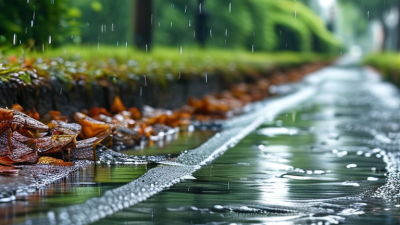
Choosing the right storm drain pipe starts at the inlet. A curb opening may suit a narrow street, while a grated inlet can collect runoff from a broad, flat area. Check the slope and watch where leaves gather after rain. A grate with small openings may catch debris, but it can also clog faster. Match the inlet to local rainfall, expected debris, and the maintenance access available.
Connections matter just as much. Use compatible pipe sizes and fittings, and make sure joints are seated and sealed according to the pipe manufacturer’s installation guidance. Poorly aligned connections can let soil enter or water escape. Grates should sit level with the surrounding surface and resist movement under expected traffic. Details vary by site, so confirm loading and drainage requirements with a qualified local professional. Small oversights happen.
Tips: Before installation, walk the site during or just after rain. Note standing water, sediment, and leaves near each inlet. Keep access points clear enough for inspection and cleaning. A maintenance plan should name who checks the system and how often, especially before wet seasons. The interval may need adjustment; real sites rarely behave exactly as drawings suggest.
Typical Manning’s roughness coefficients for common storm-drain pipe materials
Lower Manning’s n indicates a smoother surface. Values shown are commonly used typical design coefficients; actual values vary with pipe condition, joints, and the applicable local design standard. Pipe selection should also account for hydraulic capacity, structural loading, connections, inlet configuration, grate safety, and maintenance access.
Choosing the right storm drain pipe starts with local standards, not price. Check required diameter, load rating, slope, joint design, and installation depth. Municipal specifications often reflect soil conditions and rainfall patterns. A pipe that works in a rural yard may fail beneath a busy driveway.
Cost includes more than the purchase price. Compare excavation, bedding, fittings, labor, inspection, and future cleaning. A cheaper pipe can become expensive when joints shift or sediment collects inside. Durability matters under repeated water flow, freezing soil, tree roots, and occasional vehicle loads. Review material strength, corrosion resistance, and expected service life. I have seen small savings disappear after one repair season. Still, product estimates are not guarantees, so site conditions deserve careful review.
Tips: Ask for test reports and installation guidance. Measure the trench before ordering pipe. Use clean bedding material and maintain a consistent slope. Inspect every joint before covering it. Keep photos and depth records for future maintenance. Do not choose the thickest option automatically; excessive strength may add cost without improving performance. A practical design balances standards, budget, and long-term reliability. Leave access points where cleaning equipment can reach them. That detail is easy to miss.
| Pipe Material | Common Standards | Typical Applications | Indicative Material Cost (USD per Linear Foot) |
Typical Manning’s n | Structural Strength | Corrosion and Chemical Resistance | Expected Service Life | Installation Considerations | Long-Term Performance |
|---|---|---|---|---|---|---|---|---|---|
| Reinforced Concrete Pipe (RCP) |
ASTM C76 AASHTO M170 Local drainage and loading specifications |
Large storm sewers, culverts, road crossings, deep installations, and locations with high external loads. | $25–$120 Varies substantially by diameter, wall class, and reinforcement. |
0.012–0.015 | Excellent High resistance to traffic loads when properly designed and installed. |
Generally good, but acidic soils, sulfates, aggressive wastewater, and deicing salts can attack concrete or reinforcement. | 50–100+ years Site chemistry and structural design are major factors. |
Heavy sections may require lifting equipment. Proper bedding, jointing, and backfill compaction are essential. | Very strong and stable for large infrastructure, but joints and concrete durability must be carefully controlled. |
| High-Density Polyethylene (HDPE) |
ASTM F2306/F2306M ASTM F2648/F2648M AASHTO M294 |
Road drainage, culverts, storm sewers, detention systems, and installations requiring flexibility or corrosion resistance. | $8–$45 Usually depends on diameter, pipe stiffness, and profile type. |
0.010–0.013 | Good Flexible pipe relies on soil support and correct embedment. |
Excellent resistance to most naturally occurring soil chemicals, salts, and many corrosive environments. | 50–100 years Temperature, ultraviolet exposure, loading, and installation quality affect life. |
Lightweight and easy to handle. Trench width, embedment material, haunch support, and compaction are critical. | Strong corrosion resistance and leak-resistant joints can provide excellent life-cycle performance when installed correctly. |
| Polyvinyl Chloride (PVC) |
ASTM F679 ASTM F949 AASHTO M304 |
Smaller and medium-diameter storm sewers, residential developments, collection systems, and corrosive soil conditions. | $7–$35 Cost varies with diameter, wall thickness, and pressure or gravity-service requirements. |
0.009–0.011 | Good Good stiffness-to-weight ratio with proper bedding and cover. |
Excellent resistance to many acids, alkalis, salts, and biological corrosion. Chemical compatibility should still be checked. | 50–100 years Long life depends on temperature, loading, and protection from prolonged sunlight. |
Lightweight and easy to cut and join. Avoid excessive point loads, poor bedding, and long-term ultraviolet exposure. | Smooth interior, low friction, and strong chemical resistance support efficient hydraulic performance over time. |
| Corrugated Steel Pipe (CSP) |
AASHTO M36 ASTM A760/A760M ASTM A929/A929M for metallic-coated sheet |
Culverts, roadside drainage, temporary works, agricultural drainage, and locations where rapid installation is important. | $10–$65 Coating, gauge, corrugation profile, and diameter strongly affect cost. |
0.022–0.027 | Good High strength-to-weight ratio; performance depends on coating and soil conditions. |
Vulnerable to corrosion in acidic soils, saline environments, abrasive flow, and areas with poor water quality unless suitably protected. | 25–75 years Service life can be longer with appropriate coatings and favorable site conditions. |
Lightweight and fast to install. Coating damage, abrasion, bedding, and joint alignment require close inspection. | Economical and structurally efficient, but corrosion assessment is essential for life-cycle planning. |
| Ductile Iron Pipe |
AWWA C150/C150M AWWA C151/C151M AWWA C110/C153 for fittings |
Deep storm sewers, restricted corridors, heavy-load areas, vertical drops, and locations requiring high impact resistance. | $35–$150 Fittings, linings, coatings, and installation depth can significantly increase total cost. |
0.011–0.014 | Excellent High strength and impact resistance for demanding installations. |
Requires appropriate exterior protection in corrosive soils. Internal lining may be needed for aggressive water chemistry. | 75–100+ years Corrosion control and soil assessment are important. |
Heavy compared with plastic pipe and may require specialized handling. Joints, coatings, and cathodic protection may be relevant. | Excellent structural reliability, but the higher initial cost and corrosion-control requirements should be evaluated. |
Cost note: The material-cost ranges are broad planning estimates in U.S. dollars per linear foot and exclude excavation, bedding, backfill, traffic control, structures, design, permitting, labor, and restoration. Actual prices vary by region, diameter, strength class, market conditions, and project quantity.
Hydraulic note: Manning’s roughness coefficients are typical design ranges, not guaranteed values. Final hydraulic capacity should be calculated using the selected pipe’s actual internal diameter, slope, inlet conditions, allowable flow depth, and applicable local design criteria.
Selection rule: Confirm the required design storm, peak flow, allowable headwater, cover depth, live load, groundwater conditions, soil chemistry, abrasion risk, joint requirements, and local code before selecting a pipe material.