Why are Water Fittings Essential for Your Plumbing Needs?
Water fittings are crucial components of any plumbing system. They connect pipes and fixtures, ensuring the smooth flow of water. Without reliable water fittings, leaks and water pressure issues can arise. This can lead to costly repairs and even damage your property.
Choosing the right water fittings is vital. They come in various types and materials, each serving a specific purpose. Understanding these options enhances your ability to make informed decisions. A poorly chosen fitting can compromise the entire system. This can create a ripple effect of problems, revealing the importance of quality and proper installation.
In today's market, not all water fittings are created equal. The cheapest option may not be the best choice. Investing in reputable brands can save you time and money. Reliable water fittings ensure longevity and efficiency in your plumbing system. As you navigate your plumbing needs, remember the critical role that water fittings play in maintaining a functional and reliable water supply.
The Role of Water Fittings in Effective Plumbing Systems
Water fittings play a crucial role in effective plumbing systems. They connect different components, ensuring water flows seamlessly throughout your home. Without proper fittings, even the most advanced plumbing system can fail to function. They help prevent leaks, enabling smooth operation from taps to toilets. High-quality fittings enhance water pressure and control, making daily activities more efficient.
Regular maintenance is essential. Inspect all fittings periodically for signs of wear or corrosion. A minor leak can escalate into a significant problem. Consider replacing old fittings proactively to avoid unexpected disruptions. This simple upkeep can save money in the long run.
When selecting water fittings, ensure they are compatible with your existing system. Different materials, such as copper and PVC, possess unique properties and installation requirements. Research is key. Don't rush into decisions about materials and sizes. Understanding your plumbing setup can lead to more effective solutions and prevent future headaches.
Types of Water Fittings and Their Functions
Water fittings play a crucial role in any plumbing system. They connect various pipes and fixtures, ensuring a smooth flow of water throughout your home. By understanding the different types and their functions, homeowners can make informed choices.
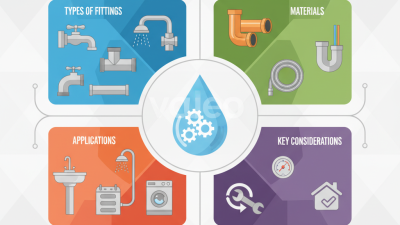
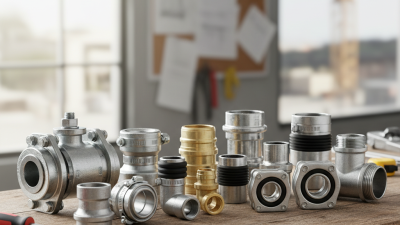
Common types of water fittings include valves, faucets, and connectors. Valves regulate water flow, making them essential for controlling supply. For instance, shut-off valves can prevent water waste during repairs. Faucets, on the other hand, provide easy access to water in kitchens and bathrooms. There are many styles and sizes, each serving specific needs. Connectors join different pipe sections, allowing for flexibility in plumbing layouts.
While water fittings seem straightforward, choosing the right ones can feel overwhelming. It's not just about finding the right size; compatibility matters too. Quality plays a key role in longevity. Sometimes, cheaper options might save money initially but can lead to leaks. Such issues highlight the importance of researching options and seeking advice from professionals.
How to Choose the Right Water Fittings for Your Needs
Choosing the right water fittings is critical for your plumbing system. These components ensure proper water flow and prevent leaks. Different types of fittings serve various functions, so understanding their specific roles is essential.
Material matters significantly when selecting water fittings. Brass and PVC are common choices, each with distinct advantages. Brass is durable and resistant to corrosion, making it a reliable option for long-term use. PVC is lightweight and easy to install but may not withstand extreme temperatures. Consider the environment where the fittings will be used; this will affect your choice.
Size and compatibility are also vital. You must ensure the fittings match your existing pipes. A mismatched size can lead to leaks and costly repairs. Measure your pipes accurately and consult a plumbing professional if unsure. Researching and asking questions can lead to better decisions, even if some options might seem overwhelming.
Why are Water Fittings Essential for Your Plumbing Needs? - How to Choose the Right Water Fittings for Your Needs
| Water Fitting Type |
Material |
Common Use |
Size Options |
Price Range (USD) |
| Compression Fittings |
Brass |
Connecting pipes |
1/2" to 2" |
$2 - $15 |
| Elbow Fittings |
PVC |
Changing direction of pipes |
1/2" to 6" |
$1 - $10 |
| Tee Fittings |
Copper |
Dividing flow |
1/2" to 4" |
$3 - $20 |
| Shut-off Valves |
Plastic |
Regulating flow |
1/2" to 3" |
$5 - $25 |
| Hose Bibs |
Brass or Plastic |
Outdoor water access |
3/4" |
$4 - $18 |
Common Issues with Water Fittings and Their Solutions
Water fittings play a crucial role in any plumbing system. They connect pipes, control the flow of water, and ensure the system operates smoothly. However, issues can arise with these fittings, leading to leaks and reduced efficiency. Identifying common problems early is key to maintaining a reliable plumbing system.
One common issue is leaking faucets. This happens due to worn washers or loose fittings. A small drip may seem minor, but it can lead to significant water waste over time. Replacing the washer or tightening the fittings can often resolve this issue. However, if the problem persists, it may indicate a deeper plumbing issue that requires a professional.
Another frequent concern is clogged pipes around water fittings. Debris can accumulate, blocking the flow. Regularly cleaning the fittings can help prevent this problem. If you face persistent clogs, consider using a plumbing snake. It can effectively clear blockages in hard-to-reach places. Understanding these challenges is essential for effective plumbing maintenance. Regular inspection and timely repairs are crucial in avoiding larger, costly problems down the line.
Maintenance Tips for Ensuring Longevity of Water Fittings
Water fittings play a critical role in our plumbing systems. They connect pipes, control water flow, and prevent leaks. However, ensuring their longevity requires regular maintenance. A keen eye on these fixtures can save both money and water.
To extend the life of water fittings, regular inspections are necessary. Check for signs of wear or corrosion. Often, small leaks can be fixed with simple repairs. Keeping these fittings clean is also essential. Accumulated debris can lead to blockages, affecting water pressure. A gentle scrub with a non-abrasive cloth can keep them functioning well.
Another aspect to consider is replacing old fittings. Over time, materials degrade. This can lead to leaks or reduced efficiency. It's beneficial to stay informed about the needs of your plumbing system. Regularly updating fittings can prevent more significant problems down the line. Listening to the feedback your plumbing gives is crucial. If you notice changes in water flow, take action. This proactive approach can significantly enhance the performance of your plumbing system.