Why Choose the Right Plumbing Couplings for Your Projects?
Choosing the right plumbing couplings for your projects is crucial. These fittings play a vital role in ensuring the durability and efficiency of your plumbing system. Selecting the wrong type can lead to leaks, costly repairs, and safety hazards.
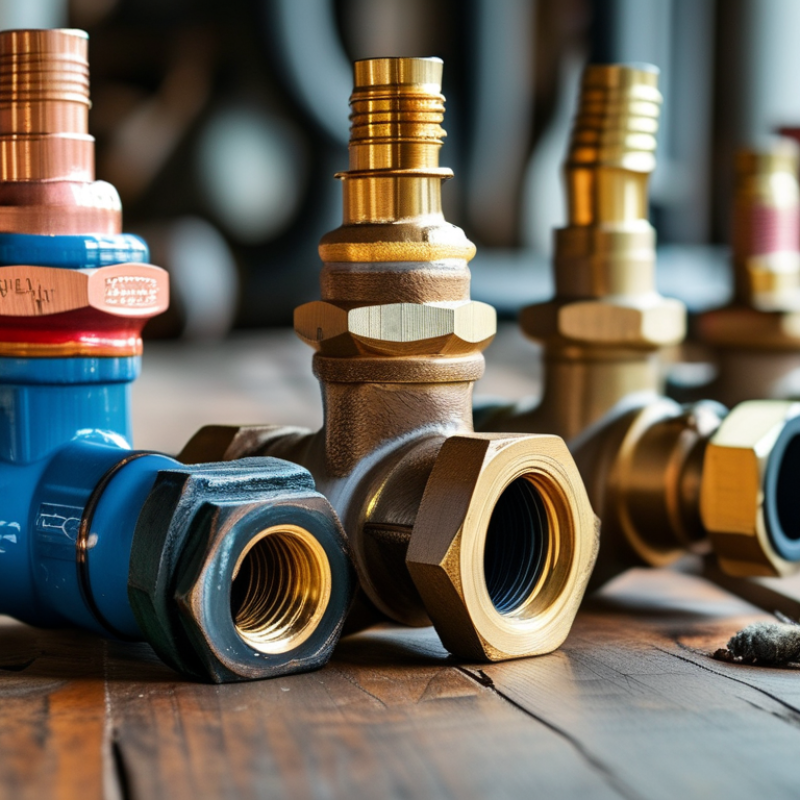
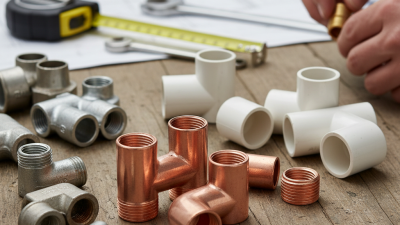
Plumbing couplings connect different pipes, creating a secure and reliable flow. They come in various materials, including PVC, copper, and brass. Each material has its advantages and suitability for different situations. Understanding these nuances is essential to making informed decisions.
Using plumbing couplings correctly can save time and money in the long run. However, many overlook their importance, leading to functional issues. Reflect on how the right coupling can change your project's outcome. Consider the materials, sizes, and pressure ratings carefully. Making an informed choice here can enhance the longevity of your plumbing systems significantly.
Understanding Plumbing Couplings: Types and Their Functions
Understanding plumbing couplings is crucial for any project. These fittings connect different sections of pipes, ensuring a leak-proof system. With various types available, selecting the right coupling can impact the performance and longevity of your plumbing system. Common types include slip couplings, compression couplings, and threaded couplings, each serving unique functions.
Slip couplings are often used for simple repairs. They allow for easy adjustments and can join pipes of the same diameter. Compression couplings offer flexibility, working well with various pipe materials. They create a strong seal without needing soldering. Threaded couplings, on the other hand, are beneficial in areas with frequent disassembly needs. They simplify repairs but may require more frequent inspections.
Choosing the appropriate coupling can sometimes feel overwhelming. Many factors influence decisions, like pipe material, pressure requirements, and installation ease. Mistakes in selection can lead to leaks or even system failures. Understanding these factors and taking time to assess options ensures better outcomes. Making informed decisions on plumbing couplings reflects well on your project’s overall reliability.
Why Choose the Right Plumbing Couplings for Your Projects? - Understanding Plumbing Couplings: Types and Their Functions
| Coupling Type |
Material |
Usage |
Advantages |
Disadvantages |
| PVC Coupling |
PVC |
Drainage, Waste, Vent Systems |
Corrosion Resistant, Lightweight |
Not suitable for high temperatures |
| Copper Coupling |
Copper |
Water Supply Lines |
Durable, Good Heat Conductor |
Expensive, Can Corrode Over Time |
| Steel Coupling |
Galvanized Steel |
Gas Lines, Heavy-Duty Applications |
High Strength, Longevity |
Heavy, Susceptible to Rust |
| ABS Coupling |
ABS Plastic |
Drainage Systems |
Lightweight, Easy to Handle |
Not as durable as PVC or Copper |
| Compression Coupling |
Various Materials |
Flexible Piping Solutions |
Easy Installation, No Need for Welding |
May not be as strong as welded joints |
The Importance of Selecting Quality Plumbing Couplings for Projects
Choosing quality plumbing couplings can significantly impact your projects. These small components ensure secure connections and prevent leaks. A reliable coupling can mean the difference between effective water flow and costly repairs down the line. Often overlooked, the right couplings can enhance the durability of the entire plumbing system.
Selecting couplings made from durable materials is crucial. Plastic can be lightweight, but metals tend to provide longevity. Different projects may require different types. You might face challenges if you choose a coupling that is not suitable for high-pressure situations. Too often, professionals prioritize cost over quality, leading to future complications.
Proper installation of the couplings is also vital. If not correctly placed, even the best materials can fail. Always test connections to ensure they hold. Investing time in choosing and installing quality components pays off. Remember, a good coupling supports the integrity of the entire plumbing assembly.
Factors to Consider When Choosing Plumbing Couplings
Choosing the right plumbing couplings is essential for project success. It's not just about connecting pipes; it's about ensuring durability and performance. One critical factor to consider is the material of the coupling. Common materials include PVC, copper, and stainless steel. A study by the American Society of Plumbing Engineers highlights that selecting the appropriate material can increase the lifespan of plumbing systems by up to 30%.
Another important aspect is the size and compatibility of couplings. Measurements must be precise. Incorrect sizing can lead to leaks, which can cost thousands in repairs. A report from the National Institute of Standards and Technology notes that nearly 25% of plumbing failures arise from improper fitting sizes. This statistic underscores the need for caution when selecting components for your project.
Lastly, don't overlook the environmental factors. Certain materials perform better in specific climates. For instance, PVC is more susceptible to UV degradation in direct sunlight. Meanwhile, copper is better suited for colder regions. An awareness of these environmental impacts can save time and resources. Understanding these nuances helps in choosing couplings that last and perform reliably under different conditions.
Common Mistakes in Choosing Plumbing Couplings and How to Avoid Them
Choosing the right plumbing couplings is essential for project success. Many underestimate the impact of incorrect coupling selection. Common errors include neglecting compatibility, and overlooking pressure ratings. A report by the American Society of Plumbing Engineers reveals that about 30% of plumbing failures stem from improper component selection.
One crucial mistake is ignoring material properties. For water systems, PVC, metal, or rubber couplings have different performance characteristics. Each material handles thermal expansion and contraction differently. According to a study by the National Association of Home Builders, misalignment between coupling and pipe material can lead to leaks and increased maintenance costs.
Installation errors can also arise from a lack of knowledge. Over-tightening couplings may cause cracking. The Plumbing Manufacturers International states that improper tightening can reduce the lifespan of a coupling by up to 50%. A reflective approach to evaluating specific project needs is vital. Engaging experienced professionals and using reliable datasets can significantly mitigate these risks. Each choice you make now can prevent costly dysfunction later.
Best Practices for Installing Plumbing Couplings Effectively
Choosing the right plumbing couplings is essential for a successful installation. Proper installation can prevent future leaks and costly repairs. Reports show that faulty plumbing connections account for over 20% of plumbing failures. An estimated $10 billion is spent annually in the U.S. on water damage. Using high-quality couplings can significantly reduce such risks.
When installing plumbing couplings, precision is key. Ensure that each fitting is properly aligned and securely tightened. A common mistake is over-tightening, which can lead to stress fractures. This can compromise the entire system. A reliable installation process includes cleaning the pipe ends to remove debris and using the right tools for the job. Not following these steps can lead to leaks, which might go unnoticed for long periods.
Every project requires an assessment of the environment. Factors like temperature fluctuations or exposure to chemicals influence the choice of materials. For instance, PVC couplings work well in water systems, but not in high-temperature settings. Selecting couplings without considering these variables could result in system failures. Being mindful of these details ensures long-lasting plumbing solutions.