How to Choose the Right Hose Fittings for Your Needs?
Choosing the right hose fittings is essential for ensuring your plumbing system functions effectively. Hose fittings come in various types, sizes, and materials, making the selection process daunting. A poor choice can lead to leaks, inefficient flow, and costly repairs.
Understanding your needs is crucial. Are you working with air, water, or a chemical? Each application demands specific fittings. For instance, rubber fittings might suit water, while metal ones could be required for high-pressure systems.
Moreover, take the time to consider compatibility with existing hoses. Mismatched fittings can inhibit performance and cause frustration. Often, users overlook this aspect, leading to inconvenient situations. Therefore, thorough research and expert advice enhance your confidence in selecting the right hose fittings.
Understanding Different Types of Hose Fittings Available in the Market
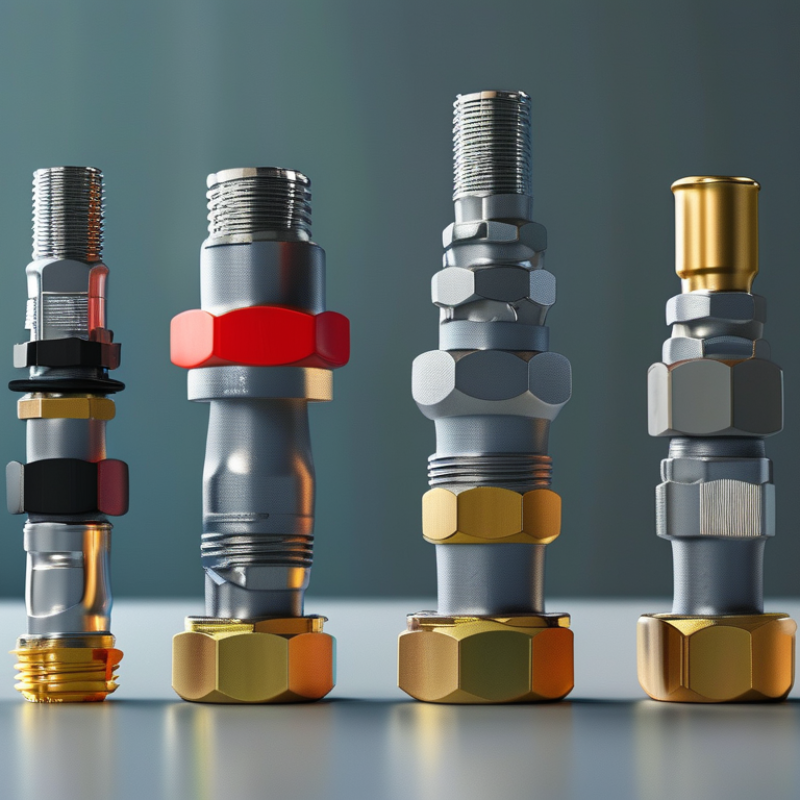
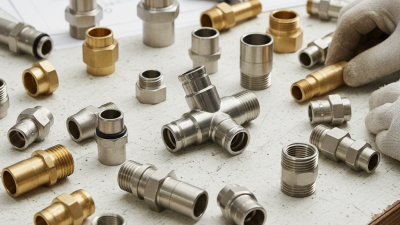
When selecting hose fittings, understanding the types available is crucial. The market offers various hose fittings made from materials like brass, aluminum, and plastic. Each type serves a unique purpose. Some fittings are designed for low-pressure applications, while others cater to high-pressure needs. According to a report by the Fluid Power Society, choosing the wrong fitting can lead to inefficiencies, costing businesses up to 20% of their operational value.
One of the most common types of hose fittings is the barbed fitting. These create a tight seal by fitting into the hose. However, they may not always suit all applications. For example, barbed fittings can become loose over time under high pressure. Clamped fittings offer security but require proper installation. Many users have reported leaks due to improper clamping techniques. This highlights the importance of knowing the specific requirements of your setup.
Additionally, quick-connect fittings are favored for their ease of use. They allow users to connect and disconnect hoses rapidly. However, they may not create as secure a seal as threaded fittings. The Manufacturing Institute indicates that the demand for quick-connect hose fittings has risen by 15% in recent years. This surge reflects a growing need for products that save time while maintaining reliability. Hence, assessing the application and operational environment is vital before making a selection.
Identifying Your Specific Needs and Application Requirements
When selecting hose fittings, it’s crucial to define your specific needs based on application requirements. Key factors include fluid type, pressure levels, and temperature conditions. For instance, a study by the Hose Manufacturers Association revealed that around 70% of hose failures are due to improper fittings. Understanding the compatibility between hoses and fittings is essential to ensure system integrity.
Consider the environment where the fittings will be used. If exposed to extreme temperatures or harsh chemicals, choose materials that can withstand such conditions. Stainless steel fittings are often recommended for corrosive environments. Additionally, assess the pressure ratings of both hoses and fittings. Using mismatched components can result in leaks or system breakdowns.
Tips: Always double-check specifications. Ensure that the dimensions and compatibility are correct. Regular maintenance checks can prevent costly repairs later. Look for signs of wear or damage on fittings; even minor signs can indicate potential failures. Inadequate attention to detail may lead to system inefficiencies. Reflect on your ongoing needs as they may change over time, requiring a reevaluation of your choices.
Evaluating Material Compatibility for Hose and Fitting Combinations
When selecting hose fittings, material compatibility is key. Consider environmental factors. Temperature fluctuations can impact material integrity. For instance, rubber may degrade under high heat, while metal could corrode in moisture. According to a report from the Hose Manufacturers Association, nearly 30% of hose failures are due to compatibility issues.
Different materials serve various purposes. PVC is cost-effective but may lack durability under high pressure. On the other hand, stainless steel offers strength but at a higher price point. A study by the Fluid Power Institute indicates that selecting the wrong material leads to increased maintenance costs by up to 20%. Efficient fitting can enhance system performance and longevity.
Compatibility also involves understanding the chemicals transported. Certain plastics may react negatively to specific solvents. Underestimating this can result in catastrophic failures. The American Institute of Chemical Engineers found that about 25% of incidents arise from improper material choices. It's vital to assess all factors surrounding your application to ensure safety and effectiveness.
Material Compatibility of Hose Fittings
Assessing Pressure Ratings and Safety Standards in Hose Fittings
When selecting hose fittings, understanding pressure ratings and safety standards is crucial. These components must withstand various operational conditions. According to the American Society for Testing and Materials (ASTM), pressure ratings are determined based on the material and design. For instance, fittings made from stainless steel often exhibit higher pressure tolerances. It's important to match the hose's pressure rating with the fittings to ensure safety and avoid catastrophic failures.
Considering safety standards is equally vital. The Occupational Safety and Health Administration (OSHA) provides guidelines that emphasize the importance of using properly rated fittings. Non-compliance can result in legal consequences or unsafe working environments. Some reports suggest that improper fittings are a leading cause of hose-related accidents. Thus, evaluating these standards can help mitigate risks significantly.
Many users overlook maintenance and inspection protocols for hose fittings. Regular checks are essential to ensure they are free from damage. Cracks or wear can affect performance, leading to pressure loss or leaks. The Institute for Hazardous Materials Management suggests that 30% of hose fittings fail due to neglect. Users must be proactive in these assessments to ensure long-term reliability. This proactive approach often separates those who are merely using the equipment from those who prioritize safety and efficiency.
How to Choose the Right Hose Fittings for Your Needs?
| Fitting Type |
Material |
Pressure Rating (psi) |
Temperature Range (°F) |
Safety Standards |
| Barbed Fitting |
Plastic |
150 |
-20 to 150 |
FDA, NSF |
| NPT Fitting |
Brass |
700 |
-40 to 200 |
ANSI, ASME |
| Cam Lock Fitting |
Aluminum |
150 |
-40 to 200 |
ISO, MIL-C |
| Threaded Fitting |
Stainless Steel |
1000 |
-100 to 400 |
ASTM, ASME |
| Push-On Fitting |
Rubber |
250 |
-20 to 180 |
EPA, ISO |
Tips for Proper Installation and Maintenance of Hose Fittings
Proper installation and maintenance of hose fittings are crucial for optimal function. Start by inspecting the fittings before use. Look for any signs of damage, wear, or dirt. A small crack can lead to bigger leaks. Ensure that the fittings match the hose diameter to avoid pressure loss. Using the wrong size can create hazardous situations.
When installing, tighten the fittings by hand first. Over-tightening can cause damage. Use the right tools to secure them, following manufacturer guidelines. Regular checks are essential. Look for leaks or wear every few months. Silicone paste may help with sealing old fittings but test regularly. Dust and debris can accumulate, hindering the connection.
Reflect on your practices over time. Are you using the correct materials? It’s easy to make assumptions. Make note of any recurring issues. Keeping a log can help identify patterns. Proper care now can extend the life of your equipment. Small maintenance steps lead to significant long-term benefits.