How to Choose the Right Hose Fittings for Your Needs?
When selecting hose fittings, understanding the nuances can make a significant difference. According to a recent report by the Fluid Power Journal, the global hose fittings market is projected to grow at a CAGR of 5.6% through 2028. This growth highlights the increasing demand for customized solutions in various industries. John Baker, a leading expert in fluid dynamics, states, "Choosing the right hose fitting is crucial for ensuring longevity and safety in your system."
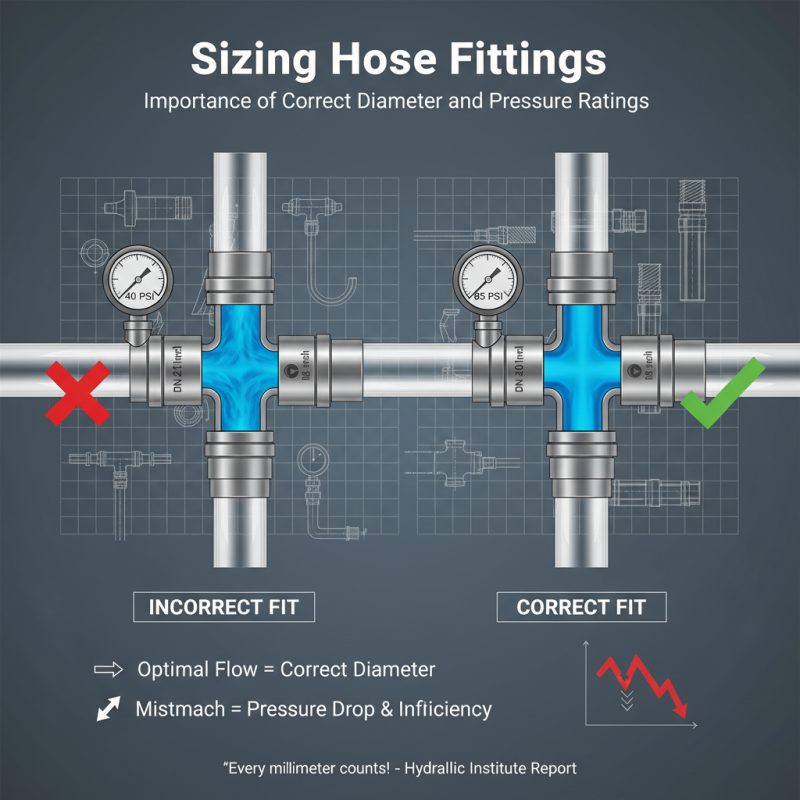
The right hose fitting can prevent leaks and failures. Poor choices can lead to costly downtimes. A fitting that matches the hose's specifications is essential for optimal performance. Each application has unique requirements; ignoring these can be detrimental. It may seem straightforward, but the details often complicate the decision. High-pressure systems require different fittings than low-pressure applications.
Selecting hose fittings requires careful assessment. Fitting compatibility, material resistance, and pressure ratings must be considered. Many overlook these factors, leading to mistakes that can have serious repercussions. Furthermore, the vast array of options available adds another layer of complexity. Understanding your needs is paramount to achieving the desired outcome in your systems.
Understanding the Different Types of Hose Fittings Available in the Market
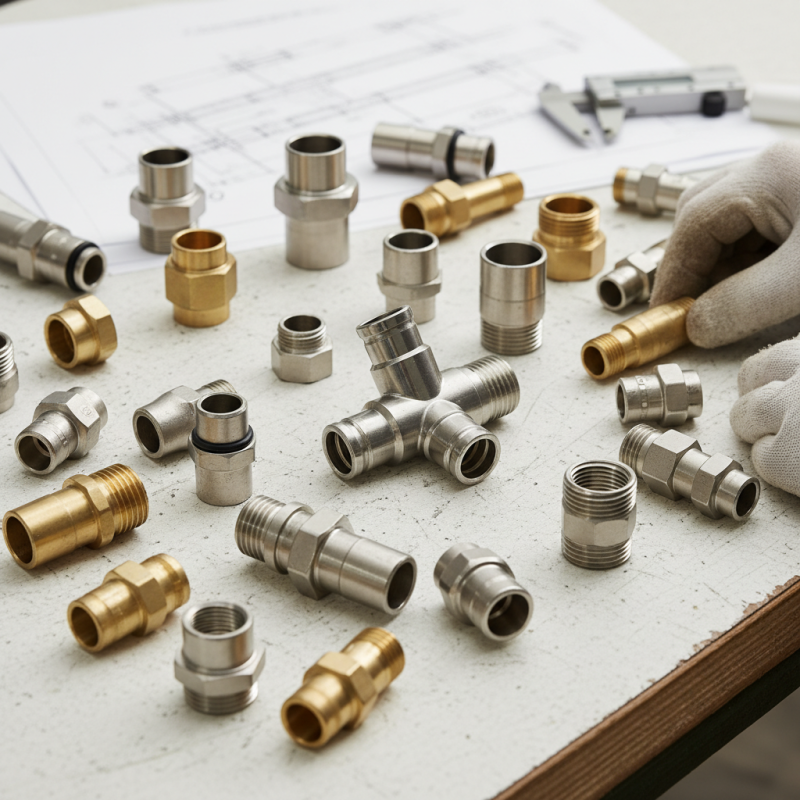
When selecting hose fittings, it’s crucial to understand the variety available. The market features fittings made from materials like metal and plastic. Each material has unique properties that affect performance and longevity. For instance, metal fittings typically resist high pressures better than plastic. According to a 2022 report by the Fluid Power Distributors Association, up to 70% of hose failures occur due to inadequate fittings. This highlights their importance in maintaining system integrity.
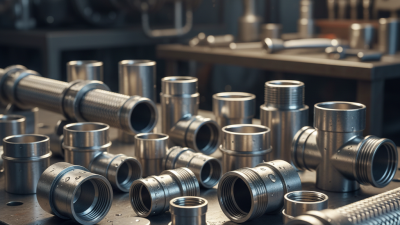
Different types of hose fittings include threaded, barbed, and quick-connect versions. Threaded fittings use a screw connection and are ideal for permanent setups. Barbed fittings work well with softer hoses and enable a tight grip when clamped. Quick-connect fittings offer the convenience of rapid assembly and disassembly, making them perfect for temporary applications. A study by the American Society of Mechanical Engineers points out that improper fitting selection can lead to costly leaks, potentially escalating repair expenses by 30%.
Understanding your specific needs is essential. For high-pressure systems, consider fittings designed for rigorous conditions. SS 304 stainless steel fittings, for example, provide superior strength. Each application might require different specifications, making it vital to reflect on your choices. However, many users overlook the installation process, which is just as important as choosing the right fittings. Ensuring precise fitment can prevent future issues and enhance system performance.
Types of Hose Fittings Available in the Market
Evaluating Material Options for Hose Fittings: Pros and Cons
When selecting hose fittings, the material plays a crucial role. Common materials include
brass,
stainless steel, and plastic.
Brass is durable and resistant to corrosion, making it a popular choice in
various applications. However, it can be heavier and potentially more expensive than alternatives. This could be a drawback
for projects requiring lightweight components.
Stainless steel is another robust option. It offers excellent resistance to harsh chemicals and conditions.
Yet, it can be prone to galling, which requires careful installation. This issue can lead to leaks if not addressed properly.
Consider how often the fittings will be in contact with corrosive substances or extreme temperatures.
Plastic fittings might seem less reliable, but they have their advantages.
They are lightweight, cost-effective, and resistant to many chemicals. However, their durability is often questioned, especially
in high-pressure applications. Keep in mind that choosing a material involves balancing weight, cost, and reliability.
Each option can present unique challenges that require further evaluation based on your specific needs.
Common Applications for Hose Fittings and Selecting Based on Use Case
Selecting the right hose fittings requires understanding various applications. Common uses include transferring fluids, air, and gases in different industries. For instance, construction sites often need heavy-duty fittings. According to industry reports, nearly 70% of hose-related issues arise from using incorrect fittings. This statistic underscores the importance of choosing wisely.
Different applications demand specific fittings. For instance, chemical industries often require fittings resistant to corrosive substances. These fittings prevent leaks, which can lead to hazardous situations. In contrast, food and beverage sectors need sanitary fittings. According to the National Sanitation Foundation, improper fittings can lead to contamination, impacting product quality.
It's crucial to reflect on the long-term implications of fitting choices. Many tend to overlook compatibility between fittings and hoses. This oversight can cause early wear or unexpected failures. Investing time in researching material specifications yields better performance outcomes. Choosing the right fitting is not just about immediate needs; it’s about ensuring safety and efficiency in the long run.
Best Practices for Installing and Maintaining Hose Fittings for Longevity
When it comes to hose fittings, proper installation is crucial for long-term performance. A study from the Fluid Power Institute indicates that poor installation can reduce fitting life by up to 30%. To ensure that fittings maintain their integrity, start by selecting the right hose type. Different materials have varying resistance to temperature and pressure, impacting fitting longevity.
Maintaining hose fittings requires regular inspections. Look for signs of wear or corrosion. According to the American Society of Mechanical Engineers, nearly 50% of fitting failures stem from neglecting inspections. Proper cleaning is essential, too. Remove any debris that could compromise the seal. A clean fitting not only performs better but also lasts longer, reducing overall costs.
It’s essential to remember that even high-quality fittings may fail if not installed correctly. Ensure that threads are properly aligned; cross-threading can lead to leaks. Remember to use appropriate torque specifications during installation; over-tightening can damage the fittings. A report from the Hose and Coupling Manufacturers Association highlights that 20% of hydraulic failures are from improper assembly. Taking time to address these details can significantly enhance the lifespan of hose fittings.