How to Choose the Best Sewer Pipe Fittings for Your Project?
Choosing the right sewer pipe fittings for your project can be quite challenging. According to industry expert John Sullivan, "The right fittings can make or break the integrity of your plumbing system." When planning your plumbing project, it’s vital to understand the various options available. Different materials, sizes, and shapes can significantly impact the efficiency and durability of your sewer system.
Many homeowners overlook the importance of choosing quality sewer pipe fittings. Sometimes, they choose based on price rather than long-term benefits. This can lead to higher costs in repairs later on. It’s essential to consider factors like compatibility with existing pipes and local building codes.
In many cases, the complexity of your plumbing layout requires careful thought. While many options might seem appealing, chronic issues could arise from improper fitting choices. It’s crucial to consult experts or rely on reliable sources when making your selection. An informed decision will ensure a functional and durable plumbing system, reducing future headaches and expenses.
Understanding Different Types of Sewer Pipe Fittings Available
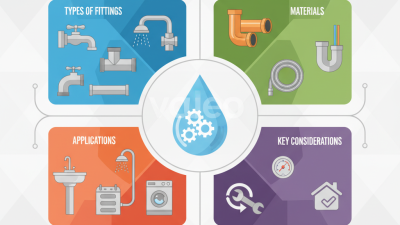
When selecting sewer pipe fittings, it's crucial to understand the various types available. Each fitting serves a specific purpose and is designed to connect pipes in different configurations.
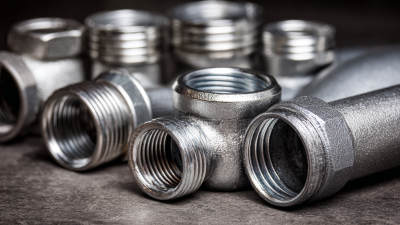
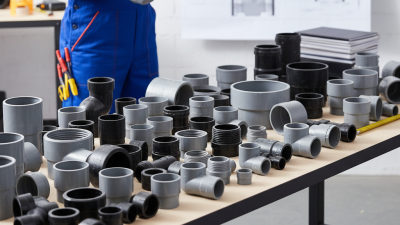
Common types include elbows, tees, and couplings. Elbows change the direction of the piping, while tees allow for branch connections. Couplings help join two pipe sections. They come in different materials, like PVC and ABS, which offer distinct benefits.
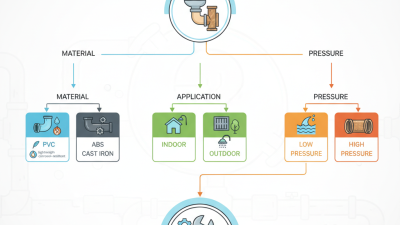
Material choice is essential. PVC is lightweight and resistant to corrosion. It is often preferred for residential installations. ABS, on the other hand, provides flexibility and strength, making it useful in areas that endure significant pressure. Ensure that you consider the environment where the pipes will be installed. Soil composition and temperature can influence material durability.
Installation techniques also matter. Misalignment during installation can lead to leaks. Proper sealing is crucial to prevent future issues. Regular maintenance checks are necessary to identify potential problems early. Learning about the fittings can reduce mistakes.
Reflect on past projects to improve your future choices. Understanding these factors will help you select the best sewer pipe fittings for your needs.
Evaluating Material Options for Sewer Pipe Fittings
When selecting sewer pipe fittings, the material is pivotal. Different materials have unique properties that affect longevity and environmental impact. PVC is a popular choice due to its lightweight nature and corrosion resistance. According to a study from the Plastic Pipe and Fittings Association, nearly 75% of non-pressure piping systems in the U.S. use PVC. Its durability can exceed 50 years, making it a cost-effective option.
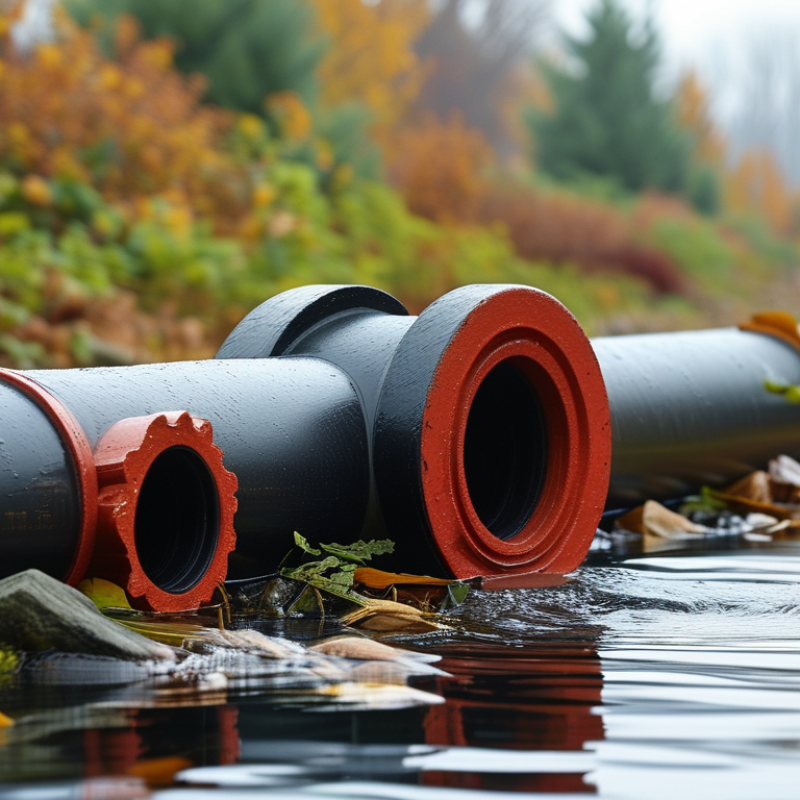
Conversely, cast iron fittings offer remarkable strength. They excel in high-pressure environments and can last over 100 years. However, their weight makes installation more labor-intensive. A report from the International Journal of Environmental Research cites that nearly 20% of sewer system failures stem from materials degrading over time, emphasizing the importance of choosing the right fittings.
Additionally, polyethylene fittings are gaining traction for their flexibility and resistance to cracking. They adapt well to varying land conditions. Yet, some installers question their long-term viability and performance under extreme conditions. Awareness of these material characteristics is crucial for ensuring reliable sewer systems in any project.
How to Choose the Best Sewer Pipe Fittings for Your Project?
| Material |
Advantages |
Disadvantages |
Best Applications |
| PVC |
Lightweight, resistant to corrosion, low cost |
Not suitable for high temperatures, UV-sensitive |
Residential plumbing, drainage systems |
| CPVC |
Higher temperature resistance than PVC, durable |
Brittle in extreme cold, more expensive than PVC |
Hot water systems, residential plumbing |
| ABS |
Strong, impact-resistant, good for colder temperatures |
Not UV-resistant, limited in some local codes |
Drainage, waste piping |
| Cast Iron |
Very durable, excellent sound absorption |
Heavy, prone to rust if not maintained |
Commercial buildings, heavy-duty applications |
| Stainless Steel |
Corrosion-resistant, high strength |
Expensive, requires specialized tools for installation |
Industrial applications, exposure to corrosive environments |
Determining the Right Size and Specifications for Your Project
Choosing the right size and specifications for sewer pipe fittings is crucial for any plumbing project. The size of the fittings must match the diameter of your pipes. Industry reports suggest that using fittings that are too large can lead to leaks or reduced flow. For instance, a study showed that improper sizing could reduce system efficiency by up to 30%. It's essential to measure pipe dimensions accurately before purchasing.
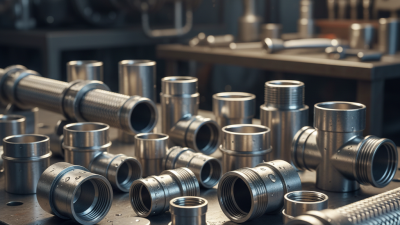
When selecting materials, consider the environment. PVC is widely used due to its resistance to corrosion and chemicals. However, in high-temperature areas, CPVC may be necessary. According to the American Society of Plumbing Engineers, the thermal expansion of these materials can affect fitting performance. Be aware of the specific conditions in which your fittings will operate.
Tip: Always refer to local building codes for pipe specifications. Codes may dictate minimum sizes or approved materials.
Remember to evaluate the joint types as well. Socket fittings offer easy installation, but threaded connections may provide a more secure hold in specific applications. Avoid common pitfalls, such as neglecting the manufacturer’s guidelines on compatibility. Ensure that all selected components can withstand expected pressures and flows to avoid costly repairs later.
Considering Installation Techniques for Sewer Pipe Fittings
When selecting sewer pipe fittings, installation techniques play a crucial role. Understanding how to properly install each fitting can prevent issues like leaks and clogs. Recent industry reports indicate that improper installation contributes to 30% of all sewer line failures. An inefficient fitting can lead to excessive pressure, resulting in costly repairs.
Consider using flexible connections whenever possible. These connections accommodate ground movement and temperature changes, which is especially important in areas with fluctuating climates. In one survey, over 60% of plumbing professionals noted that using flexible fittings reduced the frequency of drain backups. This adaptability offers a longer-lasting solution.
Documentation is also key. Many projects lack comprehensive installation guides. A survey indicated that 40% of installers rely on outdated or incomplete instructions. Investing time to ensure accurate guidelines can greatly enhance the effectiveness of the installation process. Remember, every detail matters; even a small oversight can lead to significant problems down the line. Employing a thorough approach to installation can improve overall system reliability.
Comparison of Popular Sewer Pipe Fitting Materials
Budgeting and Sourcing Quality Sewer Pipe Fittings
When budgeting for sewer pipe fittings, it’s essential to assess the quality and longevity. Quality fittings may cost more upfront but often save money in the long run due to fewer repairs. Look for materials that resist corrosion and leaks.
Tips: Always check specifications that align with your project’s needs. Gather multiple quotes from suppliers to understand the market price. This will help you avoid overspending.
Sourcing requires careful consideration. Visit local suppliers to evaluate the materials. Understanding local regulations can also prevent future complications. Sometimes, online sources may seem cheaper, but ensure they meet industry standards.
Tips: Don’t rush the sourcing process. Sometimes a high price doesn’t guarantee high quality. Consider asking for recommendations from contractors or builders to find trustworthy fittings. Quality often speaks louder than price alone.