Why Are Plastic Tubes Used for Packaging?
Plastic Tubes are common because they make many everyday products easy to store, carry, and dispense. A Plastic Tube can hold creams, gels, pastes, and some household products, while its flexible walls let users control how much comes out. That matters when a small amount is enough. A firm cap can also help keep the opening covered between uses.
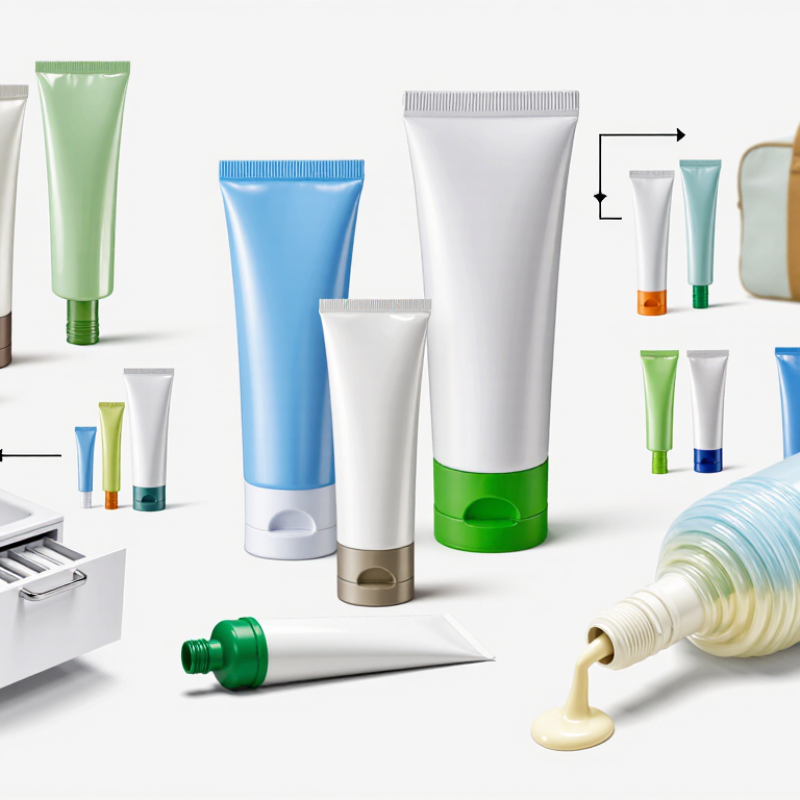
The design is practical. A tube can stand on a cap, fit into a travel bag, or sit neatly in a bathroom drawer. Its narrow opening helps reduce mess compared with wider containers. Yet convenience is only part of the answer. Packaging teams also consider the product’s ingredients, expected shelf life, dispensing needs, and contact with the tube’s materials. Different plastics and layered structures offer different levels of flexibility and protection, so one design does not suit every formula.
There are trade-offs. Some tubes are difficult to empty completely, and recycling options depend on their material structure and local collection systems. A tube that looks simple may contain several layers. That detail can matter. Manufacturers need to evaluate product compatibility and packaging performance rather than choose by appearance alone. Consumers may also find that squeezing the final portion takes patience. A small flaw, perhaps, but a real one. Understanding these benefits and limits helps explain why plastic tubes remain a useful packaging choice—and why careful material selection matters.
What Plastic Tubes Are and How They Are Made
Plastic tubes are hollow containers designed to dispense products in controlled amounts. Their flexible walls squeeze inward as contents are used, while a narrow opening helps limit spills. Common materials include polyethylene and polypropylene; some tubes use layered structures that combine plastic with barrier materials. The right structure depends on the product, its sensitivity to air or moisture, and how it will be stored. A tube may look simple, but its layers do specific jobs.
Manufacturing often begins by melting plastic pellets and pushing the material through a circular die to form a long tube. The tube is cooled, cut, and fitted with a molded shoulder and cap. In some processes, the shoulder is attached by heat; in others, the body and shoulder are formed together. Printed film may be wrapped around the body, or decoration may be applied directly. The open end is filled and sealed afterward, often with a heated clamp. Small details matter. Seal temperature, material thickness, and cap fit can affect leakage and ease of use. That choice has trade-offs: extra layers may improve protection, but they can complicate recycling. Tube designs and production steps vary, so the finished package should be tested with the specific product it will hold.
Why Are Plastic Tubes Used for Packaging?
Typical density of polymers used in plastic packaging tubes
Plastic tubes can be made by extruding a tube body or by forming and joining laminated layers. Their material depends on the packaging requirements: polyethylene and polypropylene are lightweight, while PET is denser. Bars show representative values; actual density varies by resin grade. Typical ranges (g/cm³): LDPE 0.91–0.94, HDPE 0.94–0.97, PP 0.90–0.91, and PET 1.37–1.45.
Materials That Shape Tube Performance
Plastic tube performance starts with resin choice. Polyethylene is widely used because it bends easily and resists many everyday products. A tube should squeeze smoothly, then recover enough to keep its shape. Polypropylene can offer greater stiffness and heat resistance, but may feel less pliable in a thin wall. The right choice depends on the formula, cap, and filling process.
Barrier layers change the picture. A tube may combine plastic with EVOH or aluminum to slow oxygen, moisture, or light. That can help protect sensitive contents, though extra layers may complicate recycling. On a filling line, a small mismatch between product and material can show up as swelling, odor, or a weak seal. It is easy to overlook the cap-and-shoulder area, too.
Scale matters. PlasticsEurope’s Plastics – the Facts 2022 report says packaging represented 39.1% of European plastics demand in 2021; that figure covers packaging broadly, not tubes alone. The OECD’s Global Plastics Outlook reports that only 9% of plastic waste was recycled globally in 2019. Those figures make material design worth scrutiny. No resin wins every test. And “recyclable” on paper may not mean accepted locally. Tube designers still have to balance squeeze feel, protection, manufacturing needs, and end-of-life options.
How Tubes Protect and Preserve Their Contents
Plastic tubes protect their contents by creating a physical barrier between the product and its surroundings. Their walls can limit contact with dust, moisture, and handling, while a closed cap helps reduce spills and drying. The exact protection depends on the tube’s material, thickness, and closure. Not every tube blocks light or oxygen equally well. That detail matters for products that can change with exposure.
A tube also makes dispensing more controlled. Squeezing a small amount onto a fingertip or brush can reduce repeated contact with the contents, though clean hands and a properly replaced cap still matter. For thicker creams or pastes, the flexible wall helps push product toward the opening. It may not come out evenly every time. Some residue can remain in the folds, which is a small but real limitation. Tubes are lightweight and compact, and their narrow opening can help keep unused contents covered between uses. Still, protection is not automatic: a cracked seam, loose cap, or tube left in strong heat can weaken performance. Packaging helps preserve a product, but it cannot correct poor storage or an unsuitable container design.
Features That Make Tubes Convenient to Use
Plastic tubes make everyday products easier to handle, dispense, and store. Their flexible walls let users squeeze out a controlled amount, rather than shake or scoop from a wide container. A narrow nozzle helps place creams or gels where needed, while a screw cap limits leaks between uses. Small details matter. A tube can fit in a bathroom drawer, travel pouch, or crowded work bag.
The format also supports one-handed use. A parent can open a cap and squeeze a small portion while holding a child’s hand. A user can roll an almost-empty tube upward, though some product may still cling inside. That is a real inconvenience, not a perfect solution. Lightweight construction reduces carrying burden, and many tubes can stand on their caps for quick access. However, convenience should not hide material impacts. The OECD’s 2022 Global Plastics Outlook reports that packaging generated 40% of global plastic waste in 2019. Tube design therefore needs to balance easy dispensing with efficient material use and practical recycling. A cap that stays attached may help prevent loss, but the full package still needs to be considered.
Products and Industries Commonly Packaged in Tubes
Plastic tubes appear across personal care, household, food, and healthcare packaging because they are lightweight, easy to squeeze, and can dispense products in controlled amounts. Toothpaste, hand cream, sunscreen, and facial cleansers are common examples. In clinics and pharmacies, tubes also hold topical creams and gels, where a flip-top or screw cap helps limit spills between uses. The right choice depends on the formula: some products need extra protection from light, air, or moisture, so tube materials and barrier layers matter.
Food makers use tubes for items such as tomato paste, icing, and condiments, especially when clean, measured dispensing is useful.
In workshops and factories, tubes package sealants, lubricants, and repair compounds. Artists may use them for paint, while craft users often rely on small tubes of adhesive. Not every product fits. A thick formula can be hard to dispense, and a poorly matched tube may leak or let in air.
Tips: Check that the tube material suits the product, then test the cap and seal during storage and use. Leave room for real-world handling; a package that looks tidy on a shelf may still be awkward with wet hands.