
Made in America

Get Connected With

JointsCouplings.com White Logo

Opening Hours M-F: 07:00 AM to 4:00 PM (PST)

What Is a Water Tank Filter and How Does It Work?

A Water Tank Filter helps improve stored water by removing unwanted particles before the water reaches a tap. It may capture sand, rust flakes, leaves, and other visible sediment. Some systems also reduce odors, chlorine, or selected microorganisms. The result depends on the filter media, pore size, flow rate, and water source.

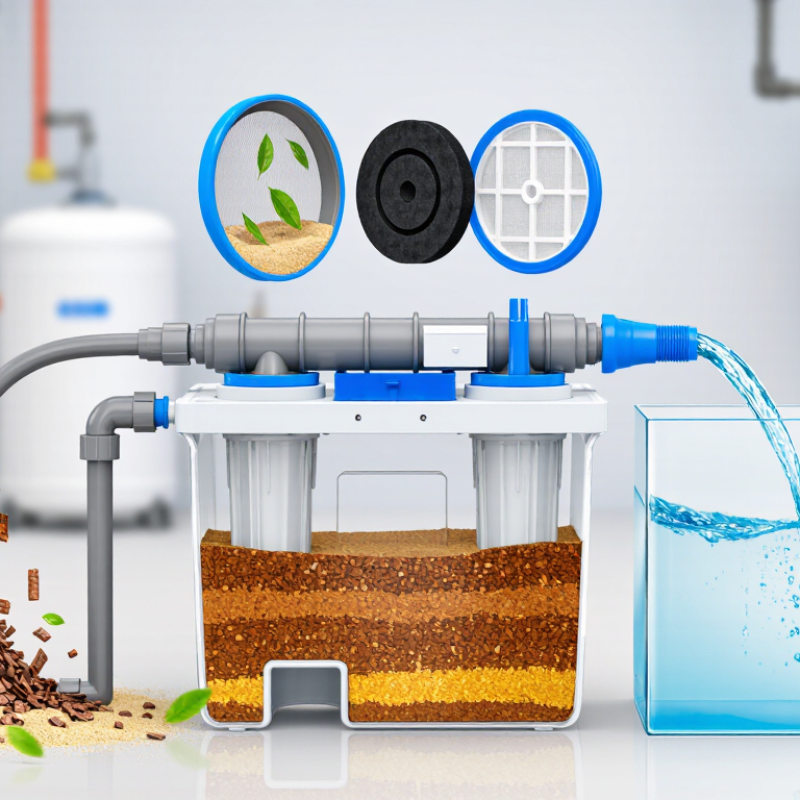
The process is usually simple. Water enters through an inlet and passes through one or more filtering layers. A mesh screen can trap larger debris. Activated carbon may absorb certain chemicals and unpleasant tastes. Finer membranes can block smaller particles, but they often require careful pressure control. Think of a clear filter housing filled with brown sediment. That small detail shows why routine inspection matters.

A filter is not a complete water-treatment system. It may not remove every pathogen, dissolved metal, or chemical contaminant. This limitation is easy to overlook. Reliable selection should follow a water-quality test, manufacturer specifications, and applicable drinking-water guidance. In practice, I would check the cartridge before any unusual taste appears, because waiting can reduce performance. Replaceable elements need timely servicing, while tanks require cleaning and secure covers. Professional advice becomes important when water serves children, older adults, or people with weakened immunity. Evidence-based maintenance records also help confirm what the system has actually done. No filter works perfectly forever. That is worth remembering.
What Is a Water Tank Filter and How Does It Work?

What Is a Water Tank Filter?

A water tank filter is a device that cleans water before it enters a storage tank or leaves it for household use. It can remove sediment, rust particles, insects, and other visible impurities. Some filters also reduce unpleasant odors or certain dissolved substances, depending on their media and design.

Most systems use a screen, cartridge, or layered filter bed. Water passes through these materials, while unwanted particles remain trapped. A coarse screen catches leaves and sand. Finer media can capture smaller particles. However, a filter does not automatically make unsafe water drinkable. Its performance depends on pore size, water quality, flow speed, and regular maintenance. No filter is perfect.

In practical use, filter condition matters as much as filter type. A blocked cartridge may reduce water pressure and cause overflow around its housing. A damaged seal can allow dirty water to bypass the filter. Inspection records, clean tools, and scheduled replacement support reliable operation. Testing stored water remains wise, especially after flooding, repairs, or long periods without use.

Tips: Check the filter before heavy rain. Clean the tank cover and inlet area. Replace worn parts promptly. Do not judge water safety by appearance alone.

What Contaminants Can a Water Tank Filter Remove?

A water tank filter treats water as it enters or leaves a storage tank. Its job depends on the filter media inside. Mesh screens catch larger particles, while sediment cartridges trap sand, rust flakes, mud, and pipe debris. These contaminants can make water look cloudy and damage pumps or fixtures.

Activated carbon filters can reduce chlorine, unpleasant tastes, odors, and some organic chemicals. Their performance varies by design, contact time, and replacement schedule. Some specialized media can reduce iron, manganese, or certain heavy metals. However, ordinary tank filters usually do not remove dissolved salts, nitrates, or hardness minerals. Those problems need different treatment methods.

Microorganisms require particular care. A basic sediment filter may remove some visible particles but cannot reliably make contaminated water safe to drink. Ultraviolet treatment, ultrafiltration, or properly maintained disinfection may address specific biological risks. Testing remains important, especially for rainwater or older tanks. A clear glass of water can still contain invisible contaminants.

Maintenance is often overlooked. A clogged cartridge lowers pressure and may encourage poor water flow. Replace filters according to pressure changes, water quality, and test results rather than a convenient calendar date. It is tempting to assume one filter handles everything. That assumption can be unsafe.

How Does a Water Tank Filter Work Step by Step?

Water Tank Filter: How Does It Work Step by Step?

A water tank filter cleans stored water as it enters, leaves, or moves through the tank. Its position matters. An inlet filter catches sediment before it settles. An outlet filter protects water used by taps. Some systems use both.

The process starts when water passes through a screen or mesh. This stage traps leaves, sand, rust flakes, and insects. Larger particles stay outside. Smaller particles continue through the housing. Next, a finer cartridge captures suspended dirt. Activated carbon may reduce chlorine taste, odors, and some organic compounds. However, carbon cannot remove every contaminant. That limitation is often overlooked.

Water then flows toward the outlet under pressure or gravity. A final filter can catch remaining particles before use. As trapped material builds up, water pressure and flow may decline. That is a useful warning. During maintenance, I check pressure, flow rate, and cartridge condition. Clear water can still contain microbes, so visual inspection is not enough. Laboratory testing gives a more reliable picture, especially for drinking water.

The tank also needs attention. Sediment can collect at the bottom. Biofilm may develop on neglected surfaces. Cleaning schedules depend on water quality and tank use. Replacing a cartridge too late can restrict flow. Replacing it too early wastes money. Real conditions are rarely perfect, so filter selection may need adjustment after testing.

What Are the Main Types of Water Tank Filters?

A water tank filter is a treatment device placed before water enters, leaves, or circulates through a storage tank. It removes unwanted particles and may reduce odors, chemicals, or microorganisms. The filter works by trapping contaminants within a screen, cartridge, media bed, or treatment chamber. Performance depends on water quality, flow rate, and maintenance.

The main types serve different purposes. Sediment filters catch sand, rust, mud, and loose debris. They are useful for rainwater tanks and wells, but they cannot remove dissolved chemicals. Carbon filters reduce chlorine, unpleasant tastes, and some organic compounds. They need regular replacement because exhausted carbon may stop working effectively. Multimedia filters use layers of materials, such as gravel and specialized media, to capture fine particles through deeper filtration. UV filters use ultraviolet light to control many microorganisms, but they require clear water and steady electricity. A UV unit does not remove dirt or chemicals.

Tips: Test the water before choosing a filter. Check the filter’s rated flow and particle size. A small cartridge can clog quickly in muddy water. Clean tank surfaces, inspect seals, and replace parts according to measured pressure or manufacturer guidance. Do not assume clearer water is always safer. I have seen poorly maintained tanks undermine otherwise suitable filters. A simple water test can reveal problems that appearance misses.

How Should a Water Tank Filter Be Maintained?

What Is a Water Tank Filter and How Does It Work?

How Should a Water Tank Filter Be Maintained?

A water tank filter removes sediment, odors, and selected contaminants before water reaches household taps. Sediment cartridges trap particles, while activated carbon can reduce chlorine and unpleasant tastes. Some systems use membranes for finer filtration. However, filtration cannot repair a contaminated tank. Field inspections often reveal a clean cartridge beside a dirty tank. That mismatch is easy to miss.

Maintenance should begin with a monthly visual check. Look for cloudy water, unusual odors, damaged seals, algae, or reduced flow. Clean the tank according to its material and local water requirements. Replace cartridges when pressure drops, flow weakens, or the service limit arrives. A fixed six-month rule sounds simple, but it may be wrong. Heavy sediment can exhaust a filter much earlier. Low use can create different risks.

Follow the filter’s certified performance claims, not advertising language. NSF/ANSI 42 and 53 address specific aesthetic and health-related reduction claims, but they do not replace inspection. The WHO Guidelines for Drinking-water Quality emphasize controlling hazards throughout the supply chain. The WHO/UNICEF Joint Monitoring Programme reported that 2.2 billion people lacked safely managed drinking water in 2022. Tank hygiene remains essential. After maintenance, flush the system and test water when contamination is suspected. Keep a dated service log. Small records prevent large guesses.

What Is a Water Tank Filter and How Does It Work? — How Should a Water Tank Filter Be Maintained?
Filter or Maintenance Element How It Works Typical Performance or Interval Maintenance Guidance
Screen or mesh pre-filter Captures visible debris such as leaves, sand, insects, and pipe scale before water enters the tank or distribution system. Common nominal openings range from approximately 100 to 1,000 micrometres, depending on the application. Inspect monthly during periods of heavy debris. Remove trapped material and rinse the screen with clean water. Replace damaged screens.
Sediment cartridge filter Uses a pleated, spun, or depth-filter media to physically retain suspended particles. Common ratings are about 1–50 micrometres. The actual result depends on filter design, flow rate, and water quality. Replace when the pressure drop becomes excessive, flow decreases, or the element reaches its rated service interval. Do not wash disposable cartridges unless specifically designed for reuse.
Activated carbon filter Adsorbs many compounds that cause unpleasant taste, odour, or colour. It does not generally remove dissolved salts or all microorganisms. Performance varies widely with carbon type, contact time, contaminant concentration, and flow rate. Replace according to the manufacturer’s capacity or when taste and odour return. A carbon filter should not be allowed to remain in service after its capacity is exhausted.
Ultraviolet treatment unit Exposes water to ultraviolet light to inactivate many bacteria, viruses, and other microorganisms. It does not remove particles or chemicals. Requires sufficiently clear water and a controlled flow rate. UV effectiveness is reduced when the lamp sleeve is dirty or water turbidity is high. Clean the quartz sleeve as needed, check alarms and sensors, and replace the lamp according to the equipment instructions, commonly about once per year.
Tank inlet filter Filters incoming water before it is stored, reducing the amount of sediment and debris that settles in the tank. Suitable filtration depends on the source water, inlet flow, tank size, and intended use. Check the filter housing, seals, and connections for leaks. Isolate and depressurize the line before opening the housing.
Tank outlet or point-of-use filter Treats water as it leaves the tank or immediately before a selected outlet, allowing different treatment levels for different uses. Often used when only drinking or cooking water requires additional treatment. Monitor flow and pressure. Replace cartridges on schedule and sanitize the housing during cartridge changes when permitted by the system instructions.
Tank inspection Identifies sediment accumulation, cracks, corrosion, biological growth, damaged fittings, and entry points for insects or contaminants. Inspect at least annually; inspect more frequently when the tank receives heavily sedimented or untreated water. Keep the lid secure, vents screened, overflow protected, and the area around the tank clean and dry.
Tank cleaning and sediment removal Removes settled material that can reduce storage capacity and create conditions for microbial growth or unpleasant odours. The interval depends on sediment load; a periodic inspection is more reliable than a fixed universal schedule. Drain and clean using safe procedures when sediment is visible, water quality changes, or the tank has been contaminated. Disinfect the tank only with an appropriate method and rinse thoroughly before use.
Pressure and flow monitoring Compares normal operating pressure and flow with current readings to reveal clogging or restrictions. A gradual pressure loss or noticeable flow reduction commonly indicates a loaded filter or blocked pipe. Record baseline readings after installation and investigate unusual changes before replacing components unnecessarily.
Water-quality testing Confirms whether the treatment system is addressing the actual risks in the source water; visual clarity alone does not prove safety. Test after installation, after repairs or contamination events, and at intervals appropriate to the water source and local requirements. Use a qualified laboratory when safety is important. If water is intended for drinking, follow applicable local health guidance and use treatment certified for the specific contaminant.