Ultimate Tips for 3D Wheel Alignment Explained
In today's automotive world, precision is key. 3d Wheel Alignment has emerged as a crucial aspect of vehicle maintenance. It ensures that all four wheels are aligned properly, improving handling and extending tire life. Many drivers overlook this essential service, often leading to uneven tire wear or even hazardous driving conditions.
Performing 3D Wheel Alignment involves sophisticated technology that measures angles and adjusts them for optimal performance. Customers often underestimate the benefits. A well-aligned vehicle not only drives smoother, but it can also enhance fuel efficiency. Yet, many don't realize that misalignment can develop from hitting a pothole or even from regular wear and tear.
Understanding the intricacies of 3D Wheel Alignment can feel overwhelming. Some may hesitate to seek professional help, fearing high costs or unnecessary services. Reflecting on your vehicle's performance may reveal that a quick alignment check could solve persistent issues. By embracing this essential maintenance practice, drivers can take proactive steps toward safer and more efficient driving experiences.
Understanding the Basics of 3D Wheel Alignment Technology
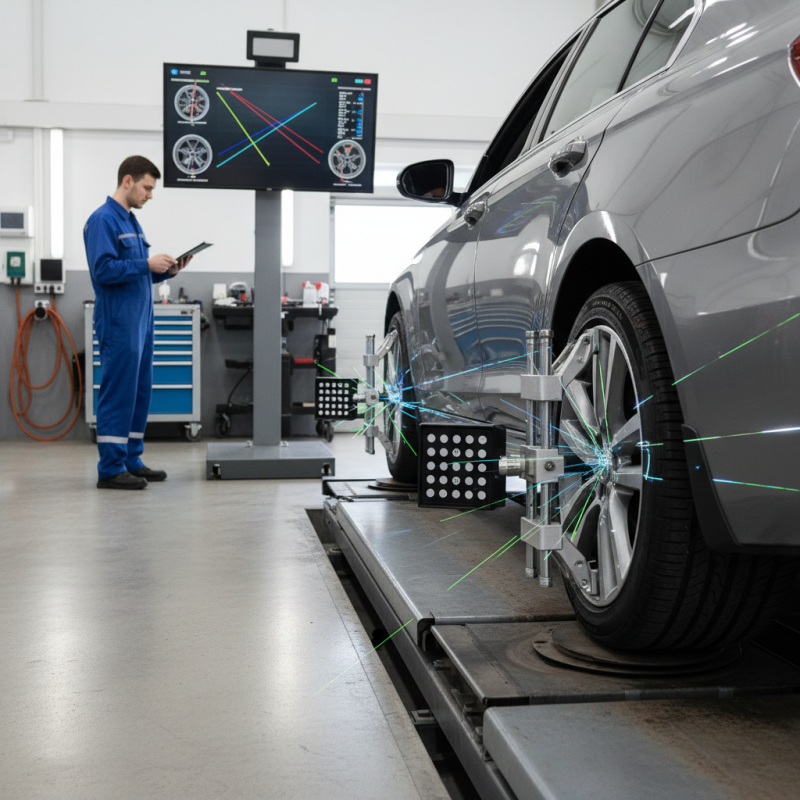
3D wheel alignment technology has revolutionized the way we maintain vehicles. It offers a detailed perspective on wheel alignment, which significantly contributes to safety and performance. This system uses advanced cameras and sensors to measure the angles of the wheels precisely. Accurate measurements can help identify problems that sometimes go unnoticed.
Understanding the basic principles is crucial. Misalignment can cause uneven tire wear and affect handling. 3D alignment allows adjustments to be made quickly. For example, the cameras capture live data while the vehicle is on the lift. This information provides instant feedback on any discrepancies. However, while this technology is largely effective, it’s not foolproof. Environmental factors can affect readings, leading to errors.
Many technicians overlook the importance of a thorough pre-check. This step can reveal underlying issues affecting the alignment. Dust or debris on sensors often leads to inaccurate adjustments. It's important to reflect on these challenges to ensure top performance. Regular training for technicians can also enhance their understanding. Embracing this technology allows for improved maintenance and greater safety on the roads.
Importance of Accurate Wheel Alignment in Vehicle Performance
Accurate wheel alignment plays a crucial role in vehicle performance. When wheels are aligned correctly, they provide better traction and stability. This results in improved handling and smoother rides. Misalignment, on the other hand, can create uneven tire wear. Drivers may notice their vehicles pulling to one side. This can be frustrating and may compromise safety.
The importance of precise wheel alignment extends beyond just comfortable driving. It affects fuel efficiency as well. Poorly aligned wheels can increase rolling resistance. This means more fuel is needed to maintain speed. Over time, this leads to higher fuel costs. Additionally, unexpected vibrations can signal alignment issues. Such problems often require immediate attention to avoid further damage.
Investing in regular wheel alignment checks can prevent long-term issues. Neglecting this aspect can lead to expensive repairs down the line. However, many drivers overlook wheel alignment in routine maintenance. It’s easy to forget about such a subtle yet significant factor. A little reflection on one’s driving experience can reveal whether it's time for an alignment check.
Ultimate Tips for 3D Wheel Alignment Explained
| Parameter | Measurement | Importance |
| Camber Angle | -1° to +1° | Improves tire wear and handling |
| Caster Angle | 3° to 7° | Enhances steering stability |
| Toe Angle | 0° to +1° | Reduces tire scrubbing and improves fuel efficiency |
| Total Alignment | All angles within specifications | Optimizes overall vehicle handling |
| Tire Pressure | 32 PSI (average) | Ensures proper tire contact and performance |
| Wheel Balance | < 5 grams off | Prevents vibration and uneven tire wear |
Key Components and Equipment Used in 3D Wheel Alignment Systems
3D wheel alignment systems rely on essential components to ensure accuracy. One vital part is the alignment head. It captures precise measurements during the process. The head is placed on each wheel, allowing technicians to read angles with pinpoint accuracy. These readings provide critical insights into the vehicle's alignment status.
Another key piece of equipment is the computer system. It processes data from the alignment heads. This system translates measurements into visual representations. Technicians can easily see adjustments needed for optimal alignment. Calibration of this equipment is crucial. Incorrect calibration can lead to misleading results, wasting time and resources.
Reflecting on the setup, some technicians may overlook proper positioning of the alignment heads. A slight misplacement can result in significant alignment errors. Frequent checks of calibration settings are also necessary. Neglecting this aspect could mean pervasive issues with wheel performance. Fine-tuning these details is essential for an effective alignment process.
Industry Standards and Guidelines for Wheel Alignment Accuracy
Achieving precise wheel alignment is critical in the automotive industry. Accurate alignment boosts vehicle safety and performance. According to the Automotive Research Institute, misalignment can lead to a 15% decrease in fuel efficiency. This statistic is alarming for both consumers and businesses.
The industry standard requires that camber angles remain within a range of ±0.5 degrees. Deviations can cause uneven tire wear and compromise steering control. The Society of Automotive Engineers (SAE) emphasizes that maintaining proper toe angles, ideally between 0° and 0.2°, is crucial for maximizing tire lifespan. Not adhering to these specifications may lead to costly replacements.
Many technicians overlook the importance of consistent measurements. In one survey, 35% of technicians admitted to using outdated equipment. This negligence can result in significant deviations from accurate alignment. Furthermore, proper technician training is often neglected, contributing to widespread alignment errors. As the industry evolves, continual learning and equipment maintenance must be prioritized.
Ultimate Tips for 3D Wheel Alignment Accuracy
Common Misconceptions and Errors in Wheel Alignment Practices
Many car owners underestimate the importance of wheel alignment. Misconceptions often lead to improper practices. For instance, a common belief is that alignment is only needed after hitting a pothole. However, regular inspections are crucial. According to industry reports, 40% of vehicles on the road have misaligned wheels, affecting fuel efficiency and tire longevity.
Improper alignment can cause uneven tire wear. This might not be visible at first but leads to costly replacements. In fact, tires can wear out 25% faster with poor alignment. Another error is assuming that alignment is solely about angles. In reality, it's about the overall balance of the vehicle. Drivers may overlook symptoms like steering pull or vibrations. These signs indicate a deeper issue, often ignored until it becomes critical.
It's essential to check the alignment regularly. Visual inspections can miss significant misalignments. Professional assessments using advanced technology are recommended. Reflecting on these practices can save money and ensure safety. Awareness is key to avoiding these common pitfalls in wheel alignment.