Top 10 Stainless Steel Fittings You Must Know for Your Next Project
When it comes to constructing robust and reliable systems, understanding the essentials of stainless steel fittings is crucial for any project. These versatile components play a pivotal role in ensuring that pipelines and connections remain secure, durable, and efficient under various conditions. Whether you're a seasoned contractor or a DIY enthusiast, familiarizing yourself with the top stainless steel fittings on the market can significantly impact the success of your endeavor.
In this article, we will explore the top 10 stainless steel fittings that you must know for your next project. From elbows and tees to flanges and caps, each fitting serves a specific purpose and contributes to the overall functionality of your plumbing or structural systems. By understanding the qualities, applications, and advantages of these stainless steel fittings, you can make informed choices that enhance the integrity and longevity of your installations.
Join us as we delve into the world of stainless steel fittings, uncovering the key features and considerations that make them indispensable in various industries, including construction, manufacturing, and beyond. This knowledge will not only equip you to choose the right fittings for your needs but also ensure that your projects stand the test of time.
Top Stainless Steel Fitting Types: A Comprehensive Overview
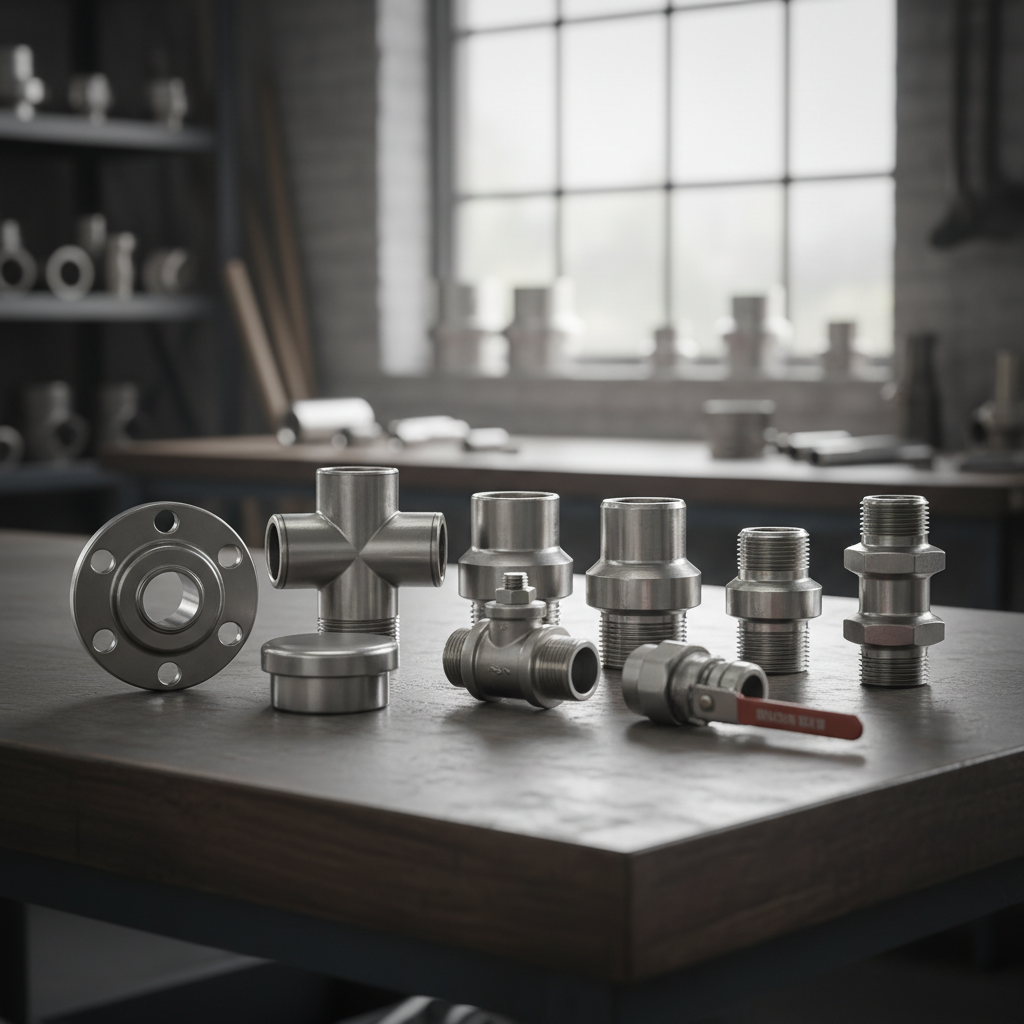
When embarking on a project that requires stainless steel fittings, understanding the various types available is crucial for ensuring durability and performance. Among the top stainless steel fitting types are the elbows, which are essential for changing the direction of pipes. They come in different angles, most commonly 45 and 90 degrees, allowing for versatility in layout design. Couplings are another vital component, facilitating the connection of two pipes or tubes of similar or varying diameters, thereby making them indispensable in any piping system.
Another important type is the tee fitting, which allows for branching off a line at a right angle, effectively creating a Y-shape. This fitting is particularly useful in plumbing and irrigation systems, where multiple outlets may be needed. Additionally, the use of flanges offers an effective method to join two piping sections securely, which is necessary for systems that may require disassembly for maintenance. Understanding these essential types of stainless steel fittings will not only streamline your project but also contribute to the longevity and efficiency of the system in place.
Top 10 Stainless Steel Fittings You Must Know for Your Next Project
| Type |
Description |
Common Use Cases |
Sizes Available |
| Elbow |
A fitting used to change the direction of piping. |
Hydraulic systems, water lines |
1/2" to 6" |
| Tee |
Used to join three sections of pipe. |
Water supply, drainage |
1/2" to 4" |
| Reducer |
Used to connect two pipes of different diameters. |
HVAC systems, plumbing |
1" to 8" |
| Coupling |
Connects two pieces of pipe. |
Water supply, gas lines |
1/2" to 12" |
| Cap |
Seals the end of a pipe. |
End points of piping |
1/2" to 10" |
| Flange |
Used to connect pipes together with bolts. |
Industrial piping systems |
1" to 36" |
| Union |
Allows for easy disconnection of pipe sections. |
Maintenance operations |
1/2" to 4" |
| Nipple |
Short piece of pipe with threads on both ends. |
Connecting two fittings |
1/2" to 8" |
| Plug |
Used to close an opening in a pipe. |
Testing systems |
1/2" to 6" |
| Socket |
Allows for smooth connection of a pipe. |
Water lines, industrial etc. |
1" to 4" |
Understanding the Grades of Stainless Steel Used in Fittings
When it comes to stainless steel fittings, understanding the grades of stainless steel is crucial for making informed choices for any project. The most commonly used grades include Austenitic, Ferritic, and Duplex stainless steels, each with distinct properties that cater to different applications.
Austenitic stainless steel, known for its excellent corrosion resistance and formability, is commonly used in environments where durability is essential, such as in the oil and gas industry.
Ferritic stainless steel, although less resistant to corrosion, offers good ductility and is often applied in automotive and architectural applications.
Duplex stainless steel, combining the advantages of both Austenitic and Ferritic, is known for its high strength and resistance to stress corrosion cracking, making it ideal for high-pressure applications.
The growing demand for stainless steel pipes and fittings across various sectors is reflected in the robust market trends. The oil and gas industry, in particular, is a significant driver of this market, as these products perform well in high-pressure and high-corrosion environments. Innovations in manufacturing processes, such as the development of seamless and welded pipes, further enhance the performance and reliability of stainless steel fittings.
As industries continue to seek solutions that offer both longevity and efficiency, understanding the nuances of stainless steel grades will become even more integral to project success.
Key Factors to Consider When Choosing Stainless Steel Fittings
When selecting stainless steel fittings for your next project, there are several key factors to consider to ensure optimal performance and durability. One critical aspect is the type of stainless steel used; options include 304 and 316 grades, with the latter offering superior corrosion resistance, making it ideal for harsh environments. Additionally, evaluating the fitting's pressure rating and compatibility with your piping system is essential for both safety and functionality.
Tips: Always assess the environmental conditions where the fittings will be installed, as this can significantly influence the material choice. For outdoor or marine applications, opt for fittings with higher corrosion resistance. Furthermore, ensure that all fittings are properly tested and certified to meet industry standards, which not only guarantees quality but also provides peace of mind during installation.
Another important consideration is the fitting's design and ease of installation. Look for options that facilitate quicker assembly and maintenance, as this can save time and costs on the project. Consulting with industry experts can also provide insights into the best practices and innovations in fittings that can enhance your project’s overall outcome, contributing to the projected growth of the stainless steel seamless pipes market, which is anticipated to reach USD 5.15 billion by 2030.
Applications of Stainless Steel Fittings in Various Industries
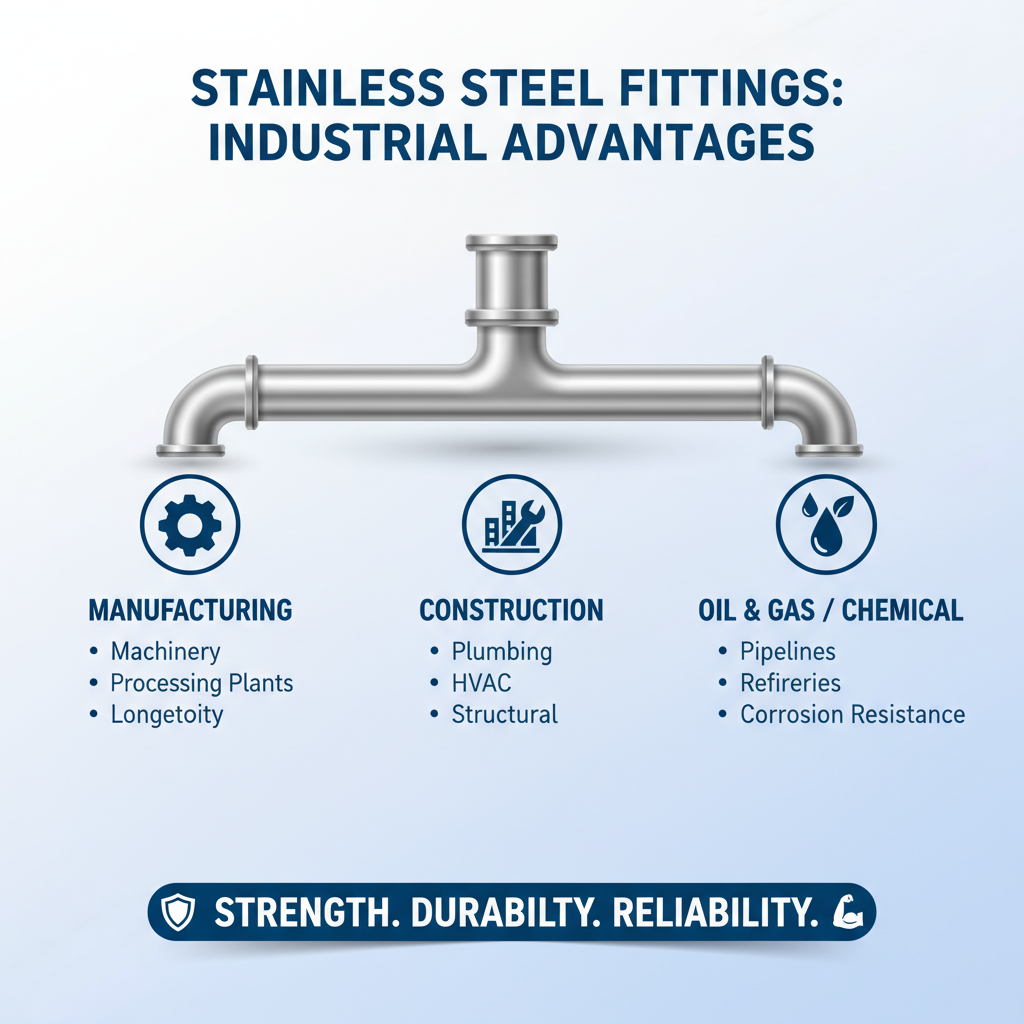
Stainless steel fittings play a crucial role across various industries, offering
strength, durability, and resistance to corrosion. In the construction sector, for example,
stainless steel fittings are essential for plumbing and piping applications, providing
reliable connections that withstand high pressure and extreme conditions. These fittings are favored for their longevity, often
outlasting other materials, making them a cost-effective choice over time.
In the automotive and aerospace industries, stainless steel fittings ensure safety and performance. They are widely used in fuel systems,
hydraulic lines, and other components where reliability is critical. Their ability to resist heat and chemical exposure adds to their
appeal, making them ideal for high-performance applications. With the stainless steel seamless pipes market projected to reach
USD 5.15 billion by 2030, it is evident that the demand for these fittings will continue
to grow, driven by their versatile applications and essential role in modern infrastructure.
Maintenance Tips for Longevity of Stainless Steel Fittings
Stainless steel fittings are essential components in various applications, known for their durability and resistance to corrosion. To ensure the longevity of these fittings, it’s important to adhere to regular maintenance practices. Experts emphasize that regular inspections can prevent potential leaks and failures that may arise from diminished performance due to wear over time. According to a study, a small leak can escalate into significant water damage if not addressed promptly, mirroring the concern highlighted by recent issues with burst hoses leading to extensive floods in homes.
Proper cleaning and maintenance practices contribute significantly to the lifespan of stainless steel fittings. Utilizing non-abrasive cleaners and avoiding harsh chemicals will help preserve the integrity of the fittings. Additionally, keeping the fittings dry and free from moisture can mitigate rust formation, as moisture is a key contributor to corrosion. In fact, the lifespan of stainless steel components can be extended by up to 50% with consistent upkeep and care. These strategies not only enhance the performance of the fittings but also reduce the long-term costs associated with replacements and repairs.