Top 10 Pipe Connections Every Buyer Should Know?
Understanding pipe connections is essential for anyone involved in plumbing, construction, or manufacturing. These connections facilitate the flow of liquids and gases in various systems. Choosing the right pipe connection can impact performance and safety. For buyers, the variety of options can be overwhelming. Each type comes with its own specifications and use cases.
Different materials and designs are available, which adds to the complexity. For example, threaded connections are common but may leak if not installed properly. Welded connections are strong but require specialized skills. Knowing the advantages and weaknesses of each type is crucial. Many buyers don’t realize the long-term implications of their choices.
Investing time in understanding these connections can prevent costly mistakes. In this guide, we will explore the top 10 types of pipe connections. Our aim is to furnish you with the knowledge needed to make informed decisions. You'll gain insight into the characteristics, applications, and best practices for each type of connection. Your expertise in pipe connections will lead you to more reliable and efficient systems.
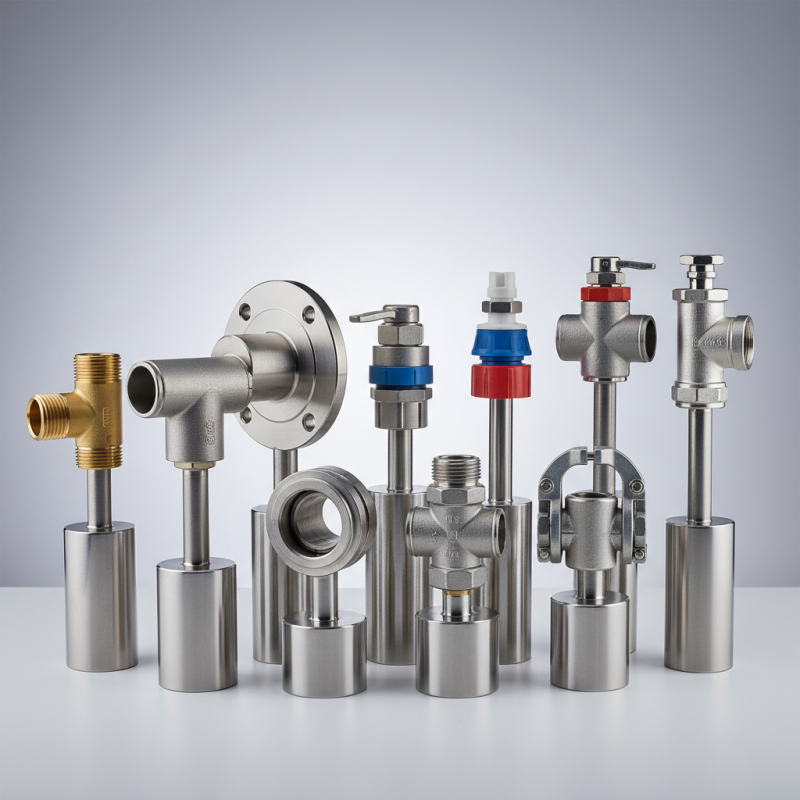
Types of Pipe Connections: An Overview
Understanding the various types of pipe connections is essential for any buyer. From industrial applications to residential plumbing, the right connection can determine overall system efficiency and durability. Common connection types include threaded, welded, and flanged connections, each with specific applications and benefits. According to a report by the American Society of Civil Engineers, improper connections contribute to approximately 30% of pipeline failures, emphasizing the need for informed choices.
Threaded connections are often used in smaller applications. They offer easy installation but may not be suitable for high-pressure situations. In contrast, welded connections provide a robust solution for high-stress environments. However, welding requires skilled labor, which can complicate installation. A report from the International Pipeline and Hazardous Materials Safety Administration notes that poor installation practices can lead to costly leaks and repairs, reinforcing the importance of expertise.
Flanged connections are prevalent in industrial settings. They facilitate maintenance and inspection, making them preferable for larger systems. A recent industry survey revealed that nearly 40% of companies prioritize flanged connections for their ease of access. While they can be more expensive, the long-term benefits often outweigh the initial costs. However, buyers must carefully consider factors like pressure ratings and compatibility with existing systems to avoid issues.
Top 10 Pipe Connections Every Buyer Should Know
Factors to Consider When Choosing Pipe Connections
When choosing pipe connections, several factors are crucial. Material compatibility is essential. Different materials can react negatively. This reaction can lead to leaks or failures. Assess environmental conditions, including temperature and pressure. For instance, certain plastics degrade under heat. Metal connections may corrode in humid environments.
Size matters significantly. A poor fit can result in leaks. Always measure accurately before purchasing. Consider the type of fluid flowing through the pipes. Some fluids can corrode specific materials faster. Strength is another critical factor. Connections must withstand operational pressure without breaking.
Aesthetic factors also play a role. While function is paramount, visual appeal shouldn’t be ignored. Think about the installation location. It may require a discreet appearance. Cost is always a concern. Low-cost options may not offer long-term reliability. Assess the trade-off between cost and durability carefully.
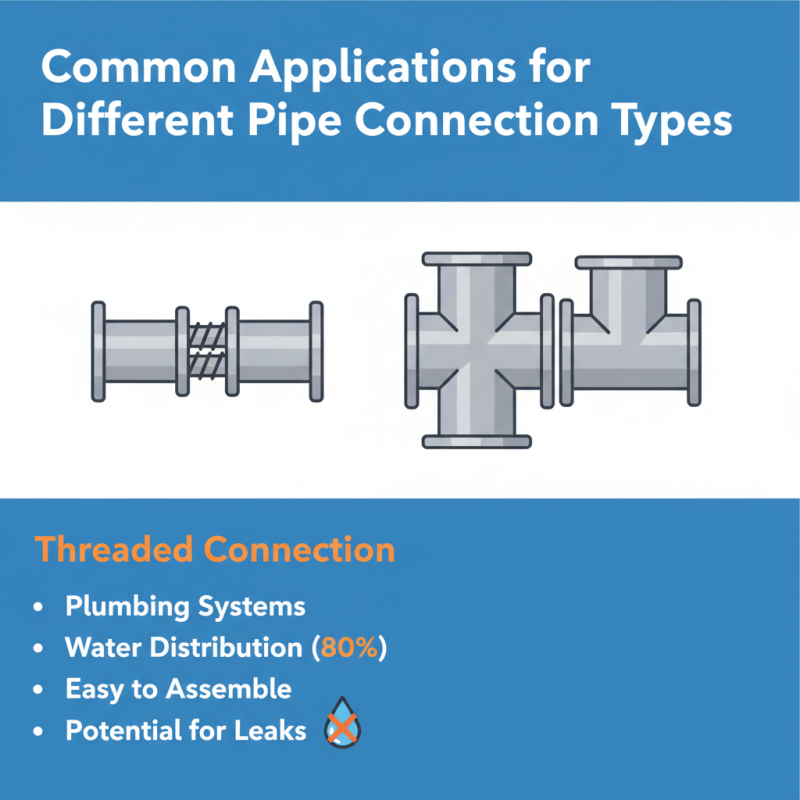
Common Applications for Different Pipe Connection Types
When considering pipe connections, understanding their applications is crucial for efficiency and safety. One common type is the threaded connection, widely used in plumbing systems. Reports state that about 80% of water distribution systems utilize threaded joints. These connections are easy to assemble but can lead to leaks if not properly sealed.
Welded joints are another critical connection method. They create a permanent bond, found in high-pressure systems like oil and gas pipelines. According to a recent industry survey, approximately 70% of industrial sectors prefer welded joints for their reliability under extreme conditions. However, improper welding techniques can compromise structural integrity, highlighting the need for skilled labor in this area.
Additionally, flange connections are prevalent in large-scale applications. They allow for easy maintenance and disassembly. Industry data shows that flanges account for over 50% of connections in chemical processing plants. This flexibility can come at a cost; they require careful alignment and can be prone to leaking if mismanaged. Each connection type has advantages and challenges, making informed choices vital for successful applications.
Maintenance and Safety Tips for Pipe Connections
Maintaining pipe connections is crucial for safety and efficiency. A recent report states that improper maintenance causes 30% of industrial pipe failures. Regular inspections help identify leaks and corrosion. Keeping a checklist can ensure no detail goes overlooked.
Seal leaks immediately to avoid accidents. For instance, a small leak can escalate quickly under pressure, leading to severe consequences. Use approved sealants for repairs. Fire safety guidelines emphasize that a small drip can create hazardous conditions in certain environments.
Education about pipe connection maintenance is essential. Workers should receive training on how to handle emergencies. A comprehensive understanding of safety protocols can mitigate risks. Regular workshops improve competence and confidence among the team. Not everyone prioritizes this training, which can lead to dangerous oversights. Implementing safety drills could reinforce the importance of vigilance in pipe management.
Top 10 Pipe Connections Every Buyer Should Know
| Connection Type |
Material |
Applications |
Maintenance Tips |
Safety Notes |
| NPT (National Pipe Tapered) |
Steel, PVC |
Water, Gas |
Check for leaks regularly |
Ensure proper sealing |
| BSP (British Standard Pipe) |
Brass, Copper |
Heating Systems |
Inspect joints periodically |
Avoid over-tightening |
| Socket Weld |
Stainless Steel |
Oil & Gas |
Regular visual inspections |
Watch for heat stress |
| Butt Weld |
Carbon Steel |
Chemical Processing |
Monitor weld seams |
Ensure proper alignment |
| Flanged Connections |
Cast Iron |
Wastewater |
Check gaskets for wear |
Tighten bolts evenly |
| Compression Fittings |
Plastic |
HVAC Systems |
Inspect for cracks |
Do not exceed pressure limits |
| Threaded Connections |
Nickel |
Pneumatic Systems |
Lubricate threads |
Avoid cross-threading |
| Push-Fit Connections |
PVC, Copper |
Residential Plumbing |
Test joints after installation |
Check for proper fit |
| Victaulic Couplings |
Steel |
Fire Protection |
Ensure bolts are secure |
Use correct gasket material |
| Lugged Valve Connections |
Ductile Iron |
Control Systems |
Simulate operational conditions |
Verify proper alignment |
Emerging Trends in Pipe Connection Technologies
Emerging trends in pipe connection technologies are reshaping the industry landscape. A significant shift toward smart piping systems is underway. These systems utilize sensors to monitor pressure and temperature in real-time. This data helps prevent leaks or failures, enhancing safety and efficiency. Moreover, the integration of IoT devices facilitates remote management. This allows for quicker responses to issues and reduces downtime.
Another trend is the rise of flexible pipe connections. These innovations accommodate movement and vibration, thereby minimizing damage. Advanced materials like composite plastics offer improved durability and resistance to corrosion. However, the adoption of these materials is not without challenges. Installation techniques must be adapted to ensure proper sealing and alignment. This calls for ongoing training and expertise in emerging practices.
Lastly, sustainability takes center stage as environmental concerns grow. Reusable and recyclable piping options are becoming more popular. Buyers need to consider the lifecycle of materials used. Engaging with manufacturers about sustainability practices is essential in decision-making. While these trends promise advancement, there are still hurdles to overcome in adopting these technologies. Continuous education and adaptive strategies are necessary for successful implementation.