Top Flame Retardant Polyester Manufacturers Worldwide?
Flame Retardant Polyester is becoming increasingly important in textiles, transportation, construction, and electrical applications. Its value is practical: a polyester curtain, upholstery panel, or automotive fabric must resist ignition while remaining durable, lightweight, and comfortable. However, performance depends on more than the word “flame retardant.” Polymer structure, additive dispersion, fabric density, moisture, and testing conditions all matter.
Industry data supports this expanding interest. MarketsandMarkets identifies steady growth in the global flame-retardants market, driven by stricter fire-safety expectations and demand from transportation, electronics, and construction. Grand View Research also highlights rising use in engineered polymers and technical textiles. Meanwhile, regulatory guidance from the European Chemicals Agency shows why responsible manufacturers must examine chemical safety, product documentation, and end-use requirements together. Market figures vary between reports. That difference deserves attention.
As fire-science researcher Dr. Richard Hull has explained, “Fire safety depends on how materials behave in real fire conditions.” This principle should guide any comparison of global Flame Retardant Polyester manufacturers. The strongest suppliers usually demonstrate stable polymer quality, controlled phosphorus or other retardant systems, traceable production, and independent testing. UL 94 ratings, limiting oxygen index results, and vertical burning data can provide useful evidence, but they are not interchangeable. A laboratory result is not a complete guarantee.
This guide compares leading manufacturers worldwide through product capability, certifications, production scale, technical support, and supply reliability. Some companies disclose more than others. That is an uncomfortable limitation, but it should not be ignored.
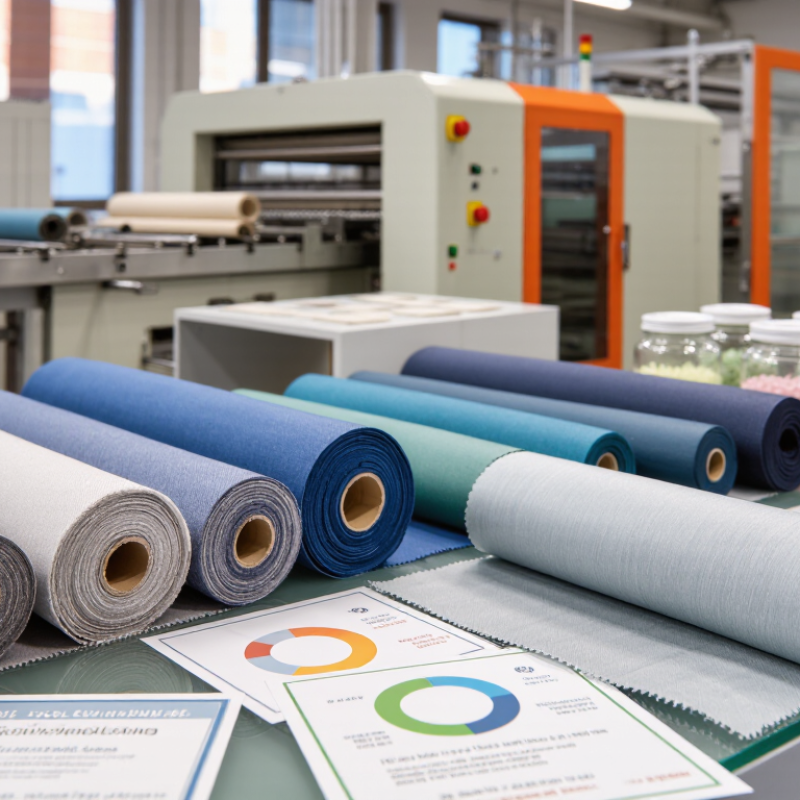
What Is Flame Retardant Polyester and How Does It Work?
Flame retardant polyester is polyester engineered to resist ignition and slow flame spread. It does not make fabric completely fireproof. That distinction matters in professional material selection.
Manufacturers usually add reactive flame-retardant components during polymer production or blend specialized additives into the polymer. During intense heat, these materials can form a protective char layer. Some also release gases that dilute oxygen near the burning surface. The fabric may melt, shrink, or self-extinguish instead of sustaining a flame. Its performance depends on fiber design, fabric density, finishing, and construction.
A practical quality assessment should examine both the fiber and the finished textile. Testing may measure ignition time, flame spread, afterflame, and damaged length under recognized methods. Results can change after washing, abrasion, dyeing, or prolonged heat exposure. That assumption is incomplete.
Manufacturers serving industrial markets often adjust formulations for upholstery, transportation interiors, protective textiles, or electrical applications. Each use requires different thermal and mechanical performance. A fabric that passes one test may not suit another environment. Moisture, seams, surface coatings, and oxygen flow can also influence results. Small flaws matter.
Reliable suppliers should provide traceable technical data, processing guidance, and realistic test conditions. Buyers should question vague claims such as “fire safe” without supporting measurements. Flame retardancy is only one property; strength, comfort, emissions, durability, and recyclability also deserve careful review. Perfect performance rarely exists.
Top Flame Retardant Polyester Manufacturers Worldwide? What Is Flame Retardant Polyester and How Does It Work?
Flame retardant polyester is polyester fiber or resin modified with reactive or additive flame-retardant chemistry. Its performance is commonly evaluated using the limiting oxygen index (LOI), the minimum oxygen concentration required to sustain combustion. A higher LOI generally indicates better resistance to continued burning.
The values shown are representative LOI levels reported for common polyester materials: standard PET is typically around 20–22% oxygen, while flame-retardant polyester is commonly engineered to approximately 26–32%. Actual results depend on polymer formulation, phosphorus or halogen chemistry, fiber construction, additives, and the test method used.
Key Standards for Evaluating Global Polyester Manufacturers
Evaluating global flame-retardant polyester manufacturers requires more than comparing prices or catalog claims. Textile Exchange’s Materials Market Report 2024 recorded 124 million tonnes of global fiber production in 2023. Polyester represented about 57% of that volume. This scale makes supplier consistency essential. Request batch-level records, polymer specifications, and production dates. A reliable manufacturer should provide test results for ASTM D6413, ISO 15025, or relevant EN fire classifications. Test conditions must be visible, including fabric weight, washing cycles, and ignition time. A certificate without these details proves little.
Performance should survive real use. Ask for vertical flame tests before and after laundering, abrasion testing, colorfastness, and dimensional stability. For interior applications, EN 13501-1 or ASTM E84 may be relevant, depending on the final product. Independent laboratory verification strengthens credibility. So does traceability from flame-retardant additive to finished yarn. Textile Exchange also reported that recycled polyester accounted for roughly 12% of global fiber production in 2023. Recycled content can support sustainability goals, but it may alter melt behavior and dye performance. Manufacturers should therefore test each feedstock separately. I would not accept one successful sample as proof of long-term safety. Manufacturing data can vary between lots. That uncomfortable detail deserves attention. Ask for corrective-action records, retention samples, and a clear retesting schedule. Reliable suppliers explain failures openly and adjust processing conditions with documented evidence.
Leading Flame Retardant Polyester Manufacturers by Region
Asia-Pacific leads flame retardant polyester manufacturing, supported by large textile mills, chemical supply chains, and export infrastructure. The region also serves automotive, rail, construction, and protective-workwear markets. Textile Exchange’s 2024 Materials Market Report estimates global fiber production reached about 124 million tonnes in 2023. Polyester represented nearly half of that volume, creating a broad base for modified fiber production. However, capacity does not always equal consistent flame performance.
European manufacturers often compete through certified specialty fibers, traceable inputs, and strict testing controls. European Commission textile compliance requirements encourage detailed chemical documentation and reliable product records.
North American producers focus strongly on contract specifications for furniture, transportation, and industrial fabrics. A 2023 report from Grand View Research identifies transportation and construction as important flame-retardant application sectors.
Regional demand differs, so a factory serving upholstery may not suit an aircraft interior project.
Tips: Ask for lot-level test reports, not only product brochures. Check limiting oxygen index, vertical flame test results, wash durability, and fabric weight. Confirm testing under the destination market’s recognized standards. Small differences in spinning temperature can affect surface behavior. This detail is easy to overlook. Market rankings can also be misleading because some manufacturers outsource compounding or finishing. Buyers should inspect production continuity, audit records, and technical support before selecting a supplier. No single region is best for every application.
Production Methods, Product Types, and Industry Applications
Flame retardant polyester is produced by modifying polyester chemistry or treating the finished fiber. Manufacturers commonly add phosphorus-based comonomers during polymerization. This approach bonds flame-resistant elements into the polymer chain. Finishing treatments can also coat fabrics after weaving or knitting. They are flexible, but repeated washing may reduce performance.
Product types include staple fiber, filament yarn, industrial fabric, nonwoven sheets, and molded polyester compounds. Staple fibers suit upholstery, mattresses, and protective textiles. Filament yarn supports curtains, automotive interiors, and technical fabrics. Nonwoven materials appear in filtration layers and construction insulation. Each form requires different controls for strength, moisture, color, and flame response.
Reliable production depends on melt temperature, additive dispersion, spinning speed, and cooling conditions. Small variations can affect fiber diameter and surface quality. Manufacturers should verify ignition resistance, after-flame time, smoke behavior, and mechanical durability through independent testing. Application conditions matter too. A fabric for public seating faces different heat and abrasion risks than an electrical enclosure. No process is flawless. Some treatments improve fire resistance but may reduce softness or recyclability. That trade-off deserves scrutiny. Experienced producers therefore test finished products, not only raw polymers, before approving large-scale supply.
How to Select a Reliable Flame Retardant Polyester Supplier
Selecting a reliable flame retardant polyester supplier requires more than comparing prices. According to MarketsandMarkets, the global flame retardants market may grow from about USD 7.9 billion in 2024 to USD 10.3 billion by 2029. Demand is expanding, but quality risks remain.
Ask suppliers for recent test reports using relevant standards, such as ASTM D6413, ISO 15025, or EN ISO 12952. Check flame spread, afterflame time, char length, and wash durability. A fabric that passes after one wash may fail after twenty. That detail matters.
Request samples from several production lots. Compare color, weight, hand feel, and shrinkage under the same laboratory conditions. Reliable suppliers should provide batch traceability, certificates of analysis, safety data sheets, and clear fiber-content declarations. The Textile Exchange Materials Market Report 2024 reported that polyester remained the largest fiber category globally, highlighting the need for scalable and consistent sourcing.
Audit the factory, not only the sales office. Review furnace controls, additive-dosing records, laboratory equipment, and corrective-action procedures. Ask how rejected lots are isolated. Good answers are specific.
Be careful with recycled-content claims. Chain-of-custody documents and independent verification are stronger than marketing statements. Some suppliers provide impressive reports but weak production records. I have found that sample performance can be misleading.
A written specification should define test methods, tolerances, packaging, delivery terms, and retesting responsibilities. Local compliance requirements may also differ by application and destination. Reliability is proven through repeatable results, not a single successful sample.