Made in America

Get Connected With

JointsCouplings.com White Logo

Opening Hours M-F: 07:00 AM to 4:00 PM (PST)

What Are the Top 10 Water Plumbing Products for Buyers?

Choosing the top 10 water plumbing products requires more than comparing prices online. Buyers need evidence, installation experience, and a clear understanding of household water use.

The WHO and UNICEF Joint Monitoring Programme reported that 2.2 billion people lacked safely managed drinking water in 2022. That figure gives everyday purchases greater importance. A leaking valve, inefficient toilet, or poorly selected filter can waste water and money. The U.S. Environmental Protection Agency states that WaterSense labeled products use at least 20% less water while maintaining equal or better performance. Small details matter.

This guide examines faucets, showerheads, toilets, pipes, valves, filters, pumps, water heaters, leak detectors, and drain products. Each category has different pressure, flow, material, and maintenance requirements. A compact apartment may need a quiet leak sensor. A large home may need stronger filtration and reliable shutoff control. The best product is not always the most expensive one.

Richard Trethewey, a licensed master plumber and This Old House plumbing expert, has described plumbing as “the circulatory system of your home.” That comparison is useful. Every component affects the whole network. Still, no buying list is perfect. Local water hardness, pipe age, and installation quality can change the result. Product labels also deserve careful reading. Some claims sound impressive but lack independent verification.

The following selection combines recognized efficiency standards, practical performance, durability, and buyer feedback. It also leaves room for caution. Water plumbing decisions should be measured, not rushed.
What Are the Top 10 Water Plumbing Products for Buyers?

Understanding Water Plumbing Products and Their Main Functions

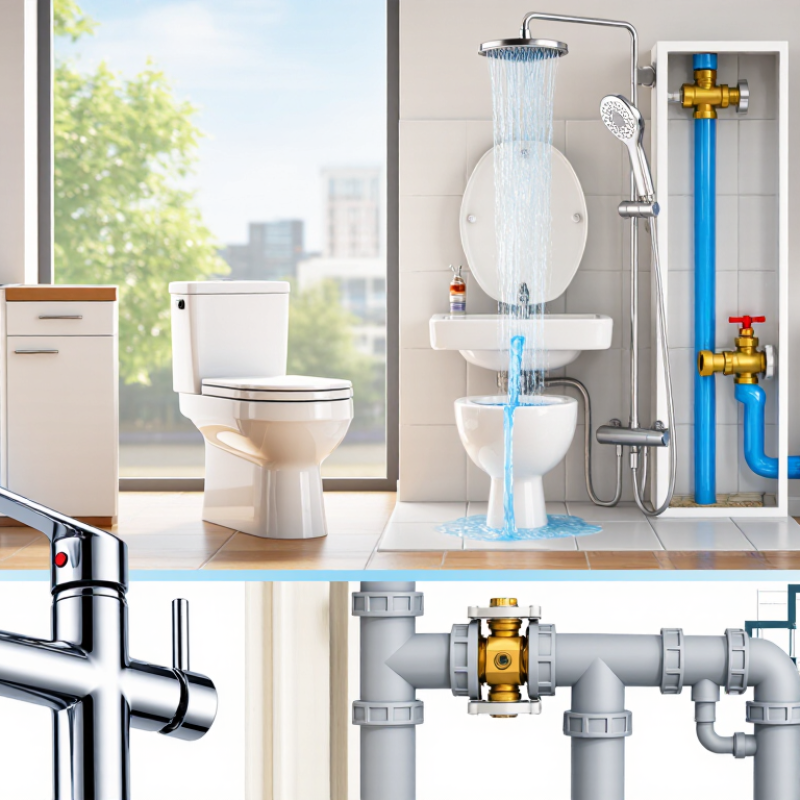
Choosing the right water plumbing products starts with understanding their functions. Supply pipes carry clean water through walls and floors. Fittings connect pipe sections and manage direction changes. Shutoff valves stop water quickly during repairs or leaks. Pressure regulators protect fixtures from excessive water force. Water heaters provide hot water for bathing, cleaning, and cooking. Each item affects safety, comfort, and maintenance.

Faucets control flow at sinks and basins. Shower valves balance temperature and pressure. Water filters reduce selected impurities, although performance depends on filter type and replacement timing. Pumps improve water movement where natural pressure is weak. Leak detectors monitor moisture and may warn users before damage spreads. In practical inspections, small leaks often begin around joints, seals, or aging connections. No product is perfect. A filter can be useful, but it cannot correct every water-quality problem.

Tips: Check pipe material, connection size, pressure ratings, and replacement access before buying. Choose products tested against recognized safety standards. Ask a qualified plumber to review hidden installations and local requirements. I would also leave space around valves and filters; crowded cabinets make simple repairs frustrating. Keep purchase records and maintenance dates. That detail seems minor, but it helps reveal repeated failures and overdue replacements.
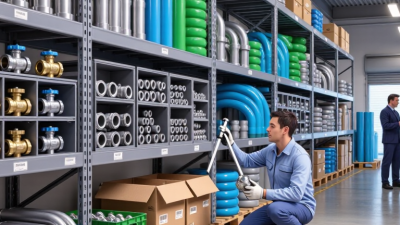

Comparing the Top Ten Water Plumbing Products by Use

Comparing the Top Ten Water Plumbing Products by Use

Choosing the best water plumbing product depends on the job, not popularity. In residential supply lines, PEX tubing is flexible and practical around corners. Copper pipe handles heat well and offers long service when installed correctly. Push-fit fittings speed repairs, although every connection still needs careful inspection. Shutoff valves control individual fixtures during maintenance. They save time.

For drinking water, certified filtration units can reduce selected contaminants. Their cartridges need regular replacement, or performance may decline. Pressure regulators protect fixtures when incoming pressure is too high. Backflow preventers help keep contaminated water away from clean supplies. These devices require correct sizing and testing. A water heater serves bathing, cleaning, and kitchen demand, while an expansion tank manages pressure changes in closed systems. Tankless models save space, but their flow limits deserve attention.

Drain traps block sewer gases beneath sinks and showers. Sump pumps remove unwanted water from low areas, especially after heavy rain. Check valves prevent reverse flow in pump discharge lines. Together, these ten products support different uses: delivery, control, treatment, heating, drainage, and protection. Field experience shows that installation conditions often matter more than product price. A small valve can fail when debris enters the line. Even a strong pipe performs poorly with weak supports or excessive bending. Product comparisons should include material compatibility, flow rate, maintenance access, temperature range, and local plumbing requirements. My ranking is not perfect; household water quality and building age can change the best choice.

Evaluating Materials, Durability, and Performance

What Are the Top 10 Water Plumbing Products for Buyers?

A practical top-ten list includes copper pipe, PEX tubing, CPVC pipe, HDPE pipe, stainless steel hoses, brass fittings, shutoff valves, pressure regulators, sediment filters, and water heaters. Material choice controls service life, safety, and maintenance. Copper handles heat well but may corrode in aggressive water. PEX resists scaling and freezes better, yet sunlight can weaken it. CPVC is affordable and light, although high heat may reduce its life. HDPE offers flexibility for buried lines. Stainless steel hoses need strong crimping. Brass fittings should contain controlled lead levels and resist dezincification.

Durability depends on installation quality, not material alone. Look for thick pipe walls, certified connections, stable pressure ratings, and temperature limits. A brass valve with a poor seal can fail faster than a correctly installed polymer valve. Filters need replaceable elements and clear flow ratings. Water heaters require insulation, reliable safety controls, and accessible drainage. Check local water chemistry before buying. Hard water, chlorine, and acidic conditions change performance. A useful correction is this: the most expensive product is not automatically the longest-lasting one.

Tips: Compare pressure and temperature ratings. Inspect fittings for clean threads. Keep filters easy to reach. Use corrosion-resistant parts near coastal areas. Leave room for repairs. Test shutoff valves twice a year. Performance claims can look impressive, but real results also depend on sizing, water quality, and workmanship. Oversizing a pipe may reduce flow speed and increase stagnant water. That detail is easy to miss.

Choosing Products for Residential, Commercial, and Outdoor Systems

Choosing the right water plumbing products depends on the building, climate, and daily demand. For residential systems, buyers should consider supply pipes, shut-off valves, pressure regulators, water heaters, filtration units, leak detectors, flexible connectors, drain traps, backflow preventers, and sump pumps. Each product solves a different risk. A quiet valve may matter more in an apartment than in a workshop. A reliable leak detector can protect cabinets, floors, and stored belongings.

Commercial buildings require stronger planning. Larger pipes, circulation pumps, expansion tanks, mixing valves, and commercial-grade filtration may support frequent use. However, bigger is not always better. Oversized equipment can waste energy and create unstable pressure.

Outdoor systems need frost-resistant pipes, irrigation valves, hose bibs, drainage channels, and weatherproof enclosures. In coastal or freezing areas, material selection deserves extra attention. I have seen outdoor fittings fail early because water remained trapped inside. That detail is easy to miss.

Tips: Match flow rates with actual demand, not guesses. Check temperature and pressure ratings before installation. Ask for test records and clear maintenance instructions. Inspect joints after the first few weeks. Also, leave access around valves and filters. A product can be technically excellent, yet difficult to service. Local plumbing requirements should guide final choices. Personal experience helps, but it should never replace qualified inspection.

Reviewing Installation, Maintenance, Safety, and Cost Factors

The top ten water plumbing products should be judged by installation, maintenance, safety, and total cost. They include shutoff valves, pressure regulators, leak sensors, faucet aerators, low-flow showerheads, dual-flush toilet kits, PEX tubing, expansion tanks, backflow preventers, and sediment filters. U.S. Environmental Protection Agency data estimates that household leaks waste more than 1 trillion gallons of water annually. A simple sensor near a water heater can therefore prevent expensive damage.

Installation quality matters more than packaging claims. Shutoff valves should remain accessible, while PEX fittings need clean cuts and correct support spacing. Pressure regulators protect fixtures when incoming pressure becomes excessive. The U.S. Department of Energy reports that water heating represents about 18% of home energy use, so efficient showerheads and faucet aerators can reduce both water and energy costs. However, low-flow products may feel weak in homes with poor pressure. That detail is often missed.

Maintenance decides long-term value. Sediment filters need scheduled replacement, backflow preventers require testing, and expansion tanks need pressure checks. The American Society of Plumbing Engineers emphasizes proper sizing, drainage, and cross-connection control in plumbing design. Safety standards from independent certification bodies also help verify materials for potable water. Initial prices can mislead. A cheaper valve may require earlier replacement or cause difficult repairs. The checklist is imperfect. Local water quality, pipe age, and labor rates still change the final cost.

What Are the Top 10 Water Plumbing Products for Buyers? — Reviewing Installation, Maintenance, Safety, and Cost Factors
Rank Product Typical Use Installation Considerations Maintenance Needs Safety Considerations Typical Service Life Typical Cost
(USD, Product Only)
Buyer Value Rating
1 PEX Water-Supply Tubing Hot and cold potable-water distribution in residential buildings. Flexible routing reduces joints; requires compatible fittings, proper support, and protection from ultraviolet light and sharp edges. Usually low maintenance; inspect exposed connections and replace damaged sections. Use only tubing and fittings listed for potable water. Keep away from prolonged sunlight, excessive heat, and rodents. Approximately 25–50 years when correctly installed and protected. $0.30–$1.50 per ft; fittings commonly $1–$15 each ★★★★★
2 Copper Water Pipe Potable-water supply lines, exposed pipework, and applications requiring strong temperature resistance. Requires cutting, deburring, and soldering or approved press connections; allow for thermal expansion and corrosion conditions. Inspect for pinhole leaks, green corrosion, mineral buildup, and movement at supports. Use lead-free joining materials. Avoid contact with incompatible metals without dielectric protection. Approximately 50–70 years, depending on water chemistry and installation quality. $2–$8 per ft; fittings commonly $2–$20 each ★★★★☆
3 PVC DWV Pipe and Fittings Drain, waste, and vent systems; generally not used for hot-water distribution. Lightweight and easy to solvent-weld; requires correct slope, clean joints, and adequate support. Normally low maintenance; clean traps and inspect accessible joints for leakage. Confirm local code approval. Do not use standard PVC DWV components for pressurized hot-water service. Approximately 50–100 years in suitable drainage applications. $0.75–$8 per ft; fittings commonly $1–$15 each ★★★★★
4 CPVC Water-Supply Pipe Hot and cold potable-water distribution in compatible residential systems. Solvent cement is used for joining; allow proper cure time and provide support while avoiding excessive bending. Inspect exposed joints and protect pipe from impact, freezing, and prolonged ultraviolet exposure. Use only listed pipe, primer, and cement for the intended temperature and pressure range. Approximately 40–50 years under suitable conditions. $0.60–$3 per ft; fittings commonly $1–$12 each ★★★★☆
5 Full-Port Ball Valve Fast shutoff and isolation of fixtures, appliances, branches, and main water lines. Install in the correct flow direction when marked; provide enough clearance for handle operation and future replacement. Operate periodically to reduce the chance of seizing; inspect the stem and connections for leaks. Use a pressure and temperature rating suitable for the system; shut off water before servicing downstream equipment. Approximately 15–30 years, depending on cycles and water quality. $8–$45 each ★★★★★
6 Pressure-Reducing Valve Controls excessive incoming water pressure in residential and commercial plumbing systems. Install with correct flow direction, an accessible adjustment point, and a pressure gauge when practical. Check downstream pressure periodically; clean or replace the strainer where the design includes one. High pressure can damage fixtures and appliances. Set pressure according to local requirements and equipment limits. Approximately 7–15 years, depending on water quality and pressure fluctuations. $45–$180 each ★★★★☆
7 Whole-House Sediment Filter Reduces sand, rust particles, silt, and other suspended sediment before water reaches fixtures. Install on the incoming main line with a bypass or shutoff arrangement and enough clearance for cartridge changes. Replace or clean the filter cartridge when pressure drops or according to the manufacturer’s schedule; typical replacement interval is 3–12 months. Choose a housing rated for the system pressure and use only cartridges approved for the intended water application. Housing: approximately 5–10 years; cartridges are consumable. $40–$250 for housing; $10–$60 per cartridge ★★★★☆
8 Thermal Expansion Tank Protects closed-loop water systems from pressure increases caused by water heating. Install on the cold-water line near the water heater with correct sizing, orientation, and pre-charge adjustment. Check air pre-charge and inspect the tank and connection for corrosion or leakage, generally during annual water-heater service. Use a tank rated for potable water and the system’s pressure and temperature. Relieve pressure before servicing. Approximately 5–10 years. $35–$180 each ★★★★☆
9 Backflow Prevention Device Prevents contaminated water from flowing backward into a potable-water supply. Selection and installation depend on the hazard level, local plumbing code, and required test access. Many assemblies require periodic inspection or testing by a qualified professional; screens and internal parts may need cleaning. Critical public-health component. Never bypass, remove, or modify it without confirming code requirements. Approximately 5–15 years, depending on water quality and testing results. $35–$500 each ★★★★★
10 Water Hammer Arrestor Reduces shock and banging caused by rapidly closing valves in appliances and plumbing branches. Install close to the quick-closing valve, such as a washing machine or dishwasher connection; provide service access when required. Generally maintenance-free; inspect the connection if banging returns or leakage appears. Use a pressure rating suitable for the water system and install with approved fittings. Approximately 10–25 years. $15–$90 each ★★★★☆
Buying note: Costs are typical U.S. retail ranges for product components only and exclude labor, permits, tools, shipping, and regional price differences. Confirm local plumbing codes, potable-water listings, pressure ratings, temperature ratings, and installation instructions before purchase. Service-life estimates vary with water chemistry, operating pressure, installation quality, and maintenance.