Top 10 Malleable Iron Fittings Manufacturers Worldwide?
Malleable iron fittings remain important in water, gas, fire-protection, and industrial piping systems. Their appeal is practical: strong threaded connections, impact resistance, and dependable performance in demanding environments. The World Steel Association reported approximately 1.89 billion tonnes of crude steel production in 2023. This figure does not measure fittings directly, but it shows the scale of the materials ecosystem supporting global foundries and metalworking suppliers.
This guide examines ten prominent malleable iron fittings manufacturers worldwide. It considers product range, manufacturing experience, quality systems, international distribution, and compliance with recognized standards. Relevant references include ISO 49, ASTM A197, and ASME B16.3. Trade data under HS 7307 can help indicate international movement of pipe fittings, although this code includes several materials and product types. That limitation matters.
A ranking is never perfectly universal. Buyer priorities differ.
Some projects favor price. Others require traceability, coating durability, or rapid delivery. Company websites can also present incomplete information, especially about production capacity and factory-level testing. Therefore, the selection should be read as a researched market overview, not an official global league table. Each manufacturer deserves closer verification through current certificates, inspection records, thread specifications, and regional approvals. Field experience suggests that small details matter, such as clean threads, consistent galvanizing, and accurately marked fittings. These details may prevent costly installation delays. They may also expose weaknesses that brochures rarely mention. Industry reports provide useful context, but direct technical review remains essential.
What Are Malleable Iron Fittings and Where Are They Used?
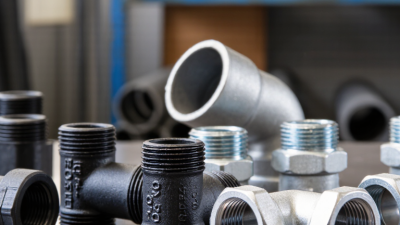
Malleable iron fittings are pipe connectors made from cast iron that has been heat-treated for improved toughness. They usually include elbows, tees, unions, sockets, and reducers. Their threaded ends allow practical assembly without welding. These fittings are common in water lines, heating systems, compressed-air networks, and approved fire-protection installations. Workshops and agricultural buildings often use them because they tolerate vibration better than ordinary brittle cast iron.
Their dark protective coating helps resist surface corrosion, but it is not permanent. Moisture, chemicals, poor storage, and damaged threads can shorten service life. A reliable installation depends on correct pipe sizing, compatible sealing materials, and controlled tightening. Over-tightening may crack the fitting or distort the thread. Under-tightening can create a slow leak, sometimes hidden behind insulation. The word “malleable” can mislead; these fittings are tougher, not flexible. They still require careful handling. Standards, pressure ratings, and local approval requirements must match the intended application.
Tips:
Check markings and dimensions before installation. Clean every thread and inspect for cracks, rust pits, or damaged coating. Use a calibrated pressure test after assembly. Do not mix fittings with incompatible pipe materials without checking corrosion risks. In cold areas, protect exposed lines from freezing. A small inspection mistake can become an expensive repair, so installation records are worth keeping.
How the Top 10 Global Manufacturers Were Selected
How the Top 10 Global Manufacturers Were Selected
Selecting the top ten malleable iron fittings manufacturers required more than checking production volume. The review examined documented industry experience, foundry capacity, and quality systems. Public technical records were compared with certifications, product ranges, and export coverage. Manufacturers with clear material specifications earned stronger consideration.
Practical performance also shaped the assessment. We looked for evidence of pressure testing, dimensional control, coating inspection, and batch traceability. A reliable producer should explain its testing process, not simply display a certificate. Technical support mattered too. Responsive engineers can help resolve thread tolerances, installation errors, and corrosion concerns before they become costly failures.
Independent signals were considered where available. These included distributor feedback, project references, factory information, and customer service records. No single source was treated as perfect. Public information can be incomplete, outdated, or written for marketing purposes. That limitation deserves attention. Regional standards also differ, so direct comparisons are not always clean. The final selection therefore balanced verified capability, manufacturing consistency, documented compliance, and long-term market presence. It was a structured review, not an absolute judgment. A smaller specialist may outperform a larger producer in one application, especially when customization and delivery reliability matter more than scale.
Profiles of the World’s Leading Malleable Iron Fittings Manufacturers
Profiles of the World’s Leading Malleable Iron Fittings Manufacturers
The world’s leading ten manufacturers are concentrated across East Asia, South Asia, Europe, and North America. Their profiles differ sharply. Some specialize in threaded fittings for water systems. Others focus on high-volume construction supply. Several operate automated molding lines, zinc-coating units, and laboratory testing facilities. Grand View Research’s 2024 analysis places the broader global pipe fittings market on a steady growth path through 2030, supported by infrastructure renewal and industrial construction. This demand favors producers with stable metallurgy, repeatable dimensions, and dependable export packaging.
Top manufacturers typically control key stages, from furnace chemistry to final thread inspection. Their technical teams commonly test tensile strength, coating adhesion, pressure resistance, and dimensional accuracy. ASTM A197/A197M and ISO 49 remain useful reference points for material and fitting performance. UN Comtrade trade data also shows strong cross-border movement of iron and steel fittings, especially through Asian and European supply hubs. However, rankings remain imperfect. Shipment volume does not always prove better engineering. A smaller producer may deliver tighter quality control.
Tips: Compare test certificates, not only catalog prices. Ask for batch traceability and coating thickness records. Inspect threads under magnification. Small defects matter. Also review lead times, mold maintenance, and rejection rates. Those details often reveal more than polished marketing language. In practice, buyers should assess ten shortlisted manufacturers against application pressure, corrosion exposure, certification needs, and after-sales responsiveness.qatigiiss
Top 10 Malleable Iron Fittings Manufacturers Worldwide
International standard size coverage for malleable iron fittings
This comparison uses published dimensional ranges from widely recognized fitting standards rather than company-level sales or production figures. The chart shows the minimum and maximum nominal size covered by each standard, expressed in DN millimeters.
How to Choose the Right Malleable Iron Fittings Manufacturer
Choosing the right malleable iron fittings manufacturer requires more than comparing catalog prices. Grand View Research estimated the global iron castings market at approximately USD 145 billion in 2023. Demand is growing, but quality still varies sharply between suppliers. A serious manufacturer should provide ISO 9001 certification, material certificates, dimensional inspection records, and traceable heat numbers. Ask for samples before signing a large order. A fitting should feel dense, clean, and evenly threaded. Flash, deep pores, or rough sealing surfaces deserve attention.
Check production capability against your application. For steam, water, gas, or industrial piping, confirm compliance with relevant ASTM, EN, or regional standards. Request pressure-test results and coating specifications. Zinc coating thickness matters in humid warehouses and outdoor installations. According to the International Zinc Association, hot-dip galvanizing can provide decades of corrosion protection when the environment and coating design are suitable. Yet, this is not automatic. Poor surface preparation can reduce performance.
Review factory experience, not just years shown on a website. Examine casting equipment, heat-treatment controls, laboratory capacity, and inspection frequency. A supplier serving demanding infrastructure projects should explain its nonconformance process clearly. Delivery data also matters. The 2024 DHL Global Connectedness Report highlights continuing pressure on international supply chains, so evaluate backup production and inventory planning. I would not select a manufacturer from a polished brochure alone. One overlooked thread defect can delay an entire installation. Factory audits cost time, but weak verification costs more.