Top 10 Galvanized Steel Wire Manufacturers in the World
Galvanized steel wire is used in fencing, construction, agriculture, utilities, and manufacturing. Its protective zinc coating helps reduce corrosion during exposure to moisture and outdoor conditions. But not all wire performs the same. Differences in coating weight, tensile strength, diameter tolerance, and surface finish can affect service life and installation.
This guide to the Top 10 Galvanized Steel Wire Manufacturers in the World introduces companies with established production capabilities and broad market reach. A dependable Galvanized Steel Wire Manufacturer should provide clear product specifications, consistent quality controls, and documentation that buyers can verify. Look closely at the details. A smooth, even coating and reliable coil packaging matter on a job site, where damaged wire or uneven dimensions can slow work.
The list is intended as a practical starting point, not a universal ranking. Supplier suitability depends on the application, required standards, order volume, delivery location, and technical support. Buyers should compare current product data and request samples when appropriate. They should also confirm testing methods, traceability, and delivery terms directly with each company. Rankings can change, and published information may not capture every production detail. That limitation deserves attention. Careful checks help distinguish a strong match from a familiar name, especially when wire must perform reliably over many seasons.
What Galvanized Steel Wire Is and How It Is Produced
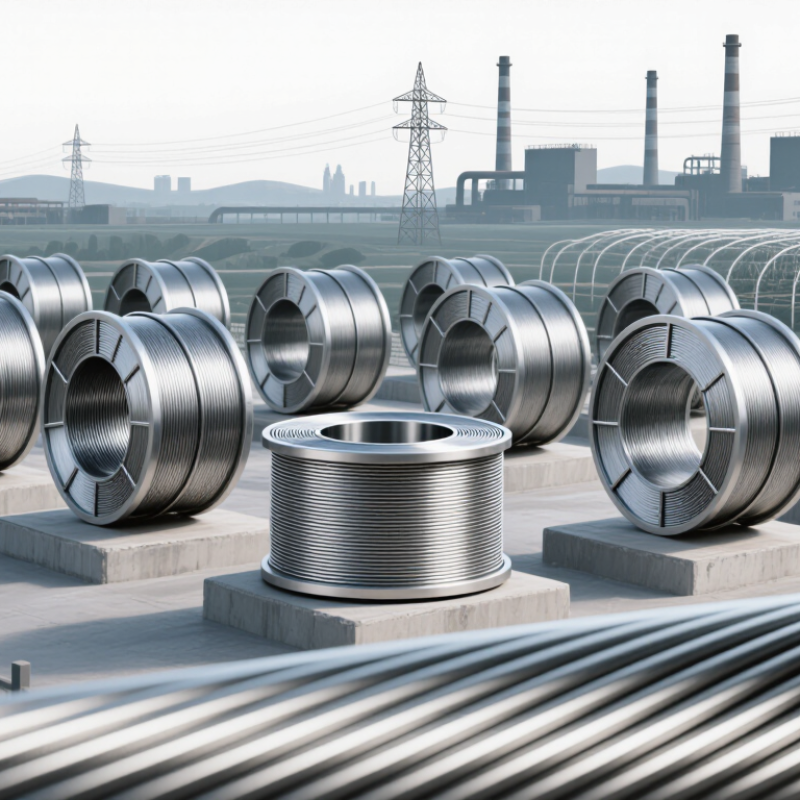
Galvanized steel wire is carbon-steel wire protected by a zinc coating. The coating slows rust by forming a barrier and, when scratched, can protect exposed steel sacrificially. World Steel Association’s World Steel in Figures 2025 reports global crude steel production of 1,882.6 million tonnes in 2024. That figure gives industrial context, not a galvanized-wire market estimate.
Production starts with wire rod, which is drawn through dies to reach the required diameter. Depending on the grade and production line, drawing may happen before or after galvanizing. The wire is cleaned, pickled to remove scale, rinsed, and fluxed. In hot-dip galvanizing, it passes through molten zinc near 450°C, then cools as the coating solidifies. Electrogalvanizing uses an electric current to deposit zinc instead. Not merely a finish.
Coating weight, adhesion, wire diameter, and tensile strength all affect service life and performance. ASTM A641/A641M provides specifications for zinc-coated carbon steel wire, though buyers should check the grade and coating class required for their application. A thicker coating is not automatically better: it can add cost and alter handling. Inspecting a bright surface alone is weak evidence; coating measurements and adhesion tests tell more.
How to Evaluate Galvanized Steel Wire Manufacturers
Evaluating galvanized steel wire manufacturers means looking beyond a polished product sheet. Start with the intended use: fencing, fasteners, or another application may require different wire diameters, tensile strengths, and coating levels. Ask for current test reports and material certificates that identify the batch, not just general product specifications. Check whether stated tolerances match your drawings. Small diameter differences can affect feeding through a machine or fitting a finished assembly.
Inspect how the manufacturer controls galvanizing consistency. A bright surface alone does not prove that the zinc coating is even or sufficiently thick. Request coating measurements from several points on a sample, along with test methods and acceptance limits. Ask how the plant handles surface defects, coil changes, and rejected material. Production capacity matters, but so do repeatability and clear communication when a specification cannot be met. Salt-spray results can help compare samples, though they should not replace testing suited to the actual service environment.
Tips: Request a labeled sample coil and verify its diameter and coating independently. Compare packaging details, too; loose wrapping can expose wire to moisture during storage. Keep records of sample results and batch documents. A checklist will not catch every variation, so inspect the first delivered shipment before approving routine orders.
Top 10 Galvanized Steel Wire Manufacturers in the World
Comparing the top 10 galvanized steel wire manufacturers in the world starts with the wire itself, not a sales claim. Buyers should check diameter tolerance, tensile strength, zinc coating weight, and consistency between production batches. These details affect how wire performs in fencing, construction, and agricultural applications. A bright, even coating is useful to inspect, but appearance alone cannot confirm corrosion resistance. Ask for recent test records.
Manufacturing capability matters too. Look for documented quality checks, traceable batches, and clear specifications for coating methods. Reliable producers should explain how they test adhesion and handle different wire diameters. Delivery capacity and packaging deserve attention: damp storage or damaged coils can create problems before installation. Small details count.
A global top-ten list is only a starting point, since the best fit depends on application, order size, and destination. Compare samples against the same requirements, and clarify tolerances before placing an order. No ranking is perfect. Even careful checks may miss variation in a later shipment, so define acceptance criteria in writing and inspect incoming material. That practical step can matter more than a polished brochure.
Products and Applications of the Leading Manufacturers
Leading galvanized steel wire manufacturers supply products with different diameters, tensile strengths, and zinc coatings. These choices affect flexibility, corrosion resistance, and service life. Fine wire can suit mesh, fencing, and binding, while heavier gauges are used in cable cores, agricultural structures, and industrial components. Specifications vary. Buyers should compare test data, not rely on product descriptions alone.
Applications depend on the conditions the wire will face. Coastal air, chemical exposure, repeated bending, and abrasion can all influence coating performance. Manufacturers may offer hot-dip or electro-galvanized products, but the suitable option depends on the required coating mass and intended use. A thicker coating can improve protection, yet it may not solve damage caused by poor handling or unsuitable installation. Small details matter.
Tips: Check diameter, tensile strength, coating weight, and permitted tolerances against the project specification. Ask for inspection records and samples when consistency is important. For outdoor fencing, examine cut ends and joints, where corrosion can begin. One limitation is that published service-life estimates rarely match every site; soil moisture and maintenance change the outcome. Test a small section when conditions are uncertain.