Essential Tips for Sourcing Metal Tubes Efficiently?
Sourcing metal tubes efficiently is crucial for manufacturers and industrial suppliers. The global metal tube market is projected to reach $20 billion by 2026, according to a report by Allied Market Research. This growth reflects an increasing demand across various industries, including automotive and aerospace. Efficient sourcing can enhance productivity and reduce costs.
"Quality over quantity is key in the metal tube industry," says Dr. Samuel Reed, a recognized expert in metallurgical engineering. His insight emphasizes focusing on reliable suppliers for precise specifications. The challenge lies in balancing cost-efficiency with quality assurance. Poor sourcing decisions can lead to delays and increased operational risks, impacting your bottom line. Many companies overlook this critical aspect.
As you navigate the complexities of acquiring metal tubes, consider the long-term implications. Establishing strong relationships with trustworthy suppliers can safeguard your production integrity. Rethinking your approach can lead to better outcomes and drive success in the competitive metal tube market.
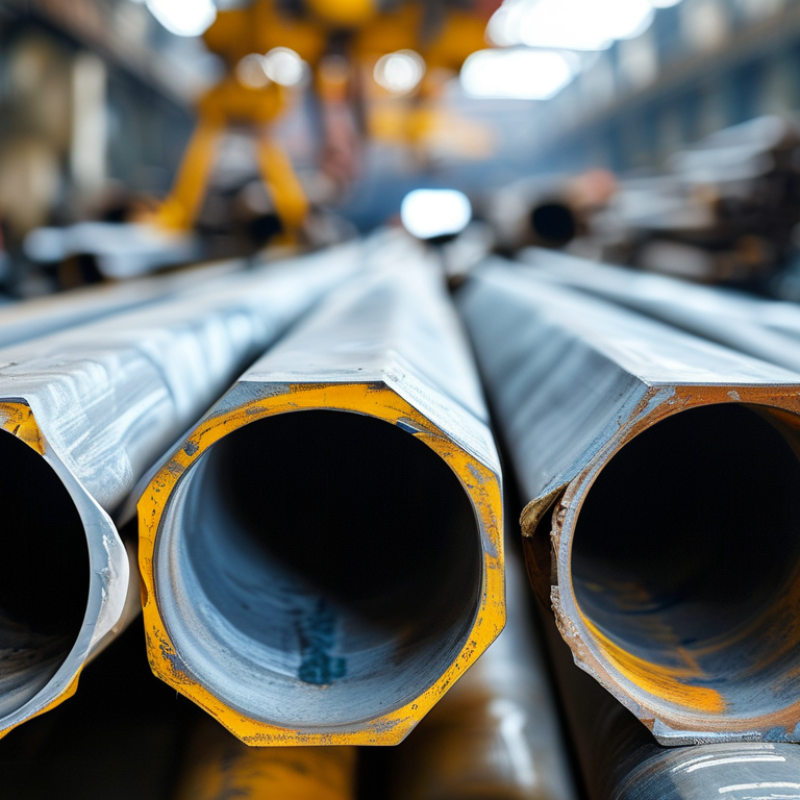
Identifying the Right Specifications for Metal Tubes
When sourcing metal tubes, it's crucial to identify the right specifications early in the process. Start by considering the application of the tubes. Are they for structural support, fluid transport, or aesthetic purposes? Each application dictates different specifications, such as material type, thickness, and diameter. For example, a tube used in construction might require specific ASTM standards for strength and durability. Understanding these needs helps narrow down the choices early on.
Dimensions play a significant role too. Precise measurements are necessary to ensure proper fit and function. Use tools like calipers to gauge existing components before specifying new tubes. Many overlook the importance of tolerances, assuming any tube will fit. However, even minor discrepancies can lead to major issues down the line. Additionally, consider the finish—some projects may demand seamless tubes, while others can accommodate welded styles. Being aware of these details is essential to avoid costly mistakes in procurement.
Researching Reliable Suppliers and Manufacturers
When sourcing metal tubes, it’s crucial to research reliable suppliers and manufacturers. According to a recent industry report, over 70% of businesses experience delays due to supplier issues. This emphasizes the importance of finding a trustworthy partner. Evaluating a supplier's experience and capabilities can significantly impact project timelines and costs.
Assessing certifications and standards is a vital step. Look for suppliers who meet ISO 9001 or ASTM standards. These certifications indicate a commitment to quality and reliability. Engaging with suppliers that have proven track records lowers the risk of material defects. User reviews and testimonials are excellent resources for evaluating potential manufacturers’ reputations.
Consider attending industry trade shows to meet potential suppliers in person. Such events often showcase cutting-edge technologies and innovations. Networking provides insights into the market and helps in identifying reliable partners. Always verify the financial stability of a supplier, as it could affect their ability to fulfill orders. A reliable supplier often shows flexibility and responsiveness during communication, which is a key indicator of their commitment. Lastly, do not overlook the importance of sampling materials before placing large orders. Proper samples help to ensure the quality meets your specifications.
Essential Tips for Sourcing Metal Tubes Efficiently
This chart illustrates the average lead time in days for sourcing metal tubes from various suppliers. Efficient sourcing relies on understanding these lead times to optimize procurement processes.
Evaluating Quality Standards and Certifications
Evaluating quality standards and certifications is crucial for sourcing metal tubes. Robust quality control ensures the longevity and reliability of metal products. Key certifications such as ISO 9001 highlight a company's commitment to quality management systems. According to a recent report by MarketsandMarkets, the global metal tube market is expected to grow significantly, reaching $185 billion by 2027. This growth emphasizes the importance of selecting suppliers who adhere to stringent quality standards.
Another essential aspect to consider is the testing protocols used by suppliers. Third-party inspections, including ASTM and EN standards, can provide assurance regarding material integrity. Over 50% of industry professionals believe that high-quality tubing enhances the overall performance of engineering projects, indicating the critical role that sourcing plays in production. Moreover, the lack of specific certifications can lead to supply chain risks, which can undermine project timelines and budgets.
When evaluating potential suppliers, transparency in quality assurance practices is vital. Request documentation and past compliance records. Many organizations fall short when it comes to maintaining comprehensive quality records. This lack of attention can lead to costly errors. Focusing on quality can set a company apart in a competitive market, making it essential to invest time in sourcing processes that prioritize certified materials.
Negotiating Pricing and Terms Effectively
Negotiating pricing and terms effectively is crucial when sourcing metal tubes. Understanding market trends can empower you. Research current prices and gauge your suppliers' positions. This information sets a foundation for negotiation. Be prepared to discuss quality standards and delivery timelines, as these factors significantly influence pricing.
Building rapport with suppliers is beneficial. A positive relationship can lead to better deals. When negotiating, clearly outline your requirements. This demonstrates professionalism and helps avoid misunderstandings. Offer feedback on their proposals, and be open to counteroffers. Sometimes, flexibility in order size can secure discounts.
You may encounter challenges during negotiations. Not all suppliers will meet your expectations. It's essential to remain patient and ready to reassess your approach. Reflect on past experiences to refine your strategies. Every negotiation is a learning opportunity, and experiences will shape your future sourcing decisions.
Establishing a Streamlined Ordering Process
Establishing a smooth ordering process is crucial when sourcing metal tubes. A well-structured system minimizes delays and errors. Start by defining clear specifications for the tubes you need. Mention dimensions, materials, and finishes. Without clarity, suppliers may provide incorrect products. It’s essential to create a checklist to ensure all requirements are met before placing an order.
Communication plays a key role in this process. Develop strong relationships with suppliers to foster trust. Regular updates can prevent misunderstandings. Consider setting up a digital platform to track orders. This transparency can help identify potential issues early. Mistakes happen. Recognizing this can lead to better solutions. Be open to feedback from suppliers and adjust your approach accordingly. Embracing a flexible mindset is important in today’s fast-paced market.
Regular reviews of your ordering process can identify areas for improvement. Gather data on lead times and order accuracy. Reflect on what worked and what didn’t. There’s always room for growth. Creating a refined, adaptable process will enhance efficiency. Investing time in this will pay off in the long run.
Essential Tips for Sourcing Metal Tubes Efficiently - Establishing a Streamlined Ordering Process
| Parameter | Description | Example Values |
| Material Type | The specific type of metal used in the tube manufacturing. | Stainless Steel, Aluminum, Carbon Steel |
| Diameter | The outer diameter of the metal tube. | 2 inches, 3 inches, 5 inches |
| Wall Thickness | The thickness of the tube wall, affecting strength and weight. | 0.5 mm, 1 mm, 2 mm |
| Length | The length of the tube, often customized to fit application needs. | 6 ft, 10 ft, 20 ft |
| Finish | Surface treatment or finish applied to the tube. | Polished, Galvanized, Painted |
| Ordering Frequency | How often the tubes are ordered by the customer. | Weekly, Monthly, Quarterly |
| Supplier Location | Geographic location of the supplier. | USA, Europe, Asia |
| Lead Time | Estimated time from order placement to delivery. | 2 weeks, 4 weeks, 6 weeks |