
Made in America

Get Connected With

JointsCouplings.com White Logo

Opening Hours M-F: 07:00 AM to 4:00 PM (PST)

10 Tips for Choosing Aluminum Sliding Glass Doors

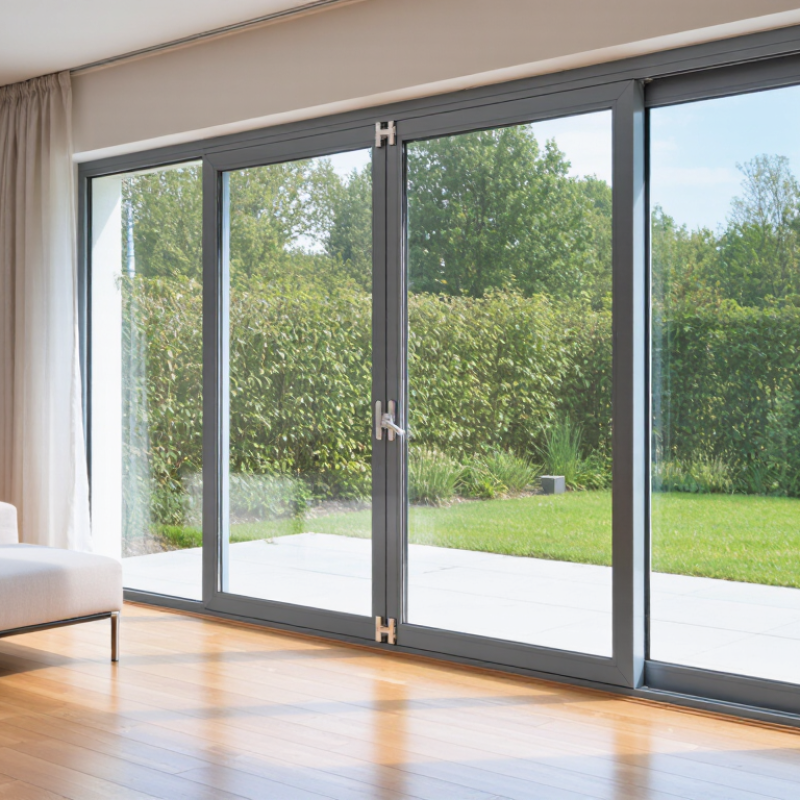
Choosing Aluminum Sliding Glass Doors is about more than creating a bright opening to the patio. A broad glass panel can make a small living room feel open, while a poorly sealed frame may invite drafts and street noise. Ludwig Mies van der Rohe, an influential architect, famously said, “God is in the details.” His words offer a useful lens for evaluating doors, where rollers, seals, glazing, and installation matter as much as appearance. Start with the room. Measure twice. Then consider how the door will perform through your local seasons, not just on a sunny showroom floor.

This guide presents 10 practical tips for comparing frame strength, thermal breaks, glass options, track design, weather seals, locking hardware, drainage, installation, warranties, and maintenance. Look closely at the bottom track. Dust and grit collect there, and a roller that feels smooth today may need adjustment later. Ask how replacement parts are sourced and whether the stated performance figures apply to the complete door system. Small details matter. Still, no checklist can predict every home’s needs; a coastal exposure, a windy hillside, and a sheltered courtyard pose different challenges. A heavier frame is not automatically better, and a lower price can conceal trade-offs. Expect compromises. The right choice balances light, comfort, durability, and budget, with clear product information and careful installation guiding the decision.
10 Tips for Choosing Aluminum Sliding Glass Doors

Identify Your Space, Door Size, and Intended Use

Tip 1: Measure the opening, not the old door. Record width and height at several points, since floors and walls may be uneven. Then sketch the nearby furniture, steps, and walking route. A wide panel can look elegant but still block a dining chair. Recheck your measurements; a tape measure cannot show how awkwardly a sofa turns.

Tip 2: Match the door to its daily job. For a busy patio entrance, consider a wider clear opening and a track that is easy to keep clean. For a small room, check where panels stack and whether handles interfere with curtains or furniture. Need fresh air? Confirm which panels actually open. Fixed glass may look similar in a floor plan.

Tip 3: Think beyond appearance. The U.S. Department of Energy’s Energy Saver guidance estimates that windows account for about 25–30% of residential heating and cooling energy use. A large glazed door deserves careful attention to glass performance and frame construction. Compare rated U-factor and solar heat gain coefficient, then choose values suited to your climate and sun exposure. Ask how the sill handles rain, too. Small details matter.

10 Tips for Choosing Aluminum Sliding Glass Doors - Identify Your Space, Door Size, and Intended Use
Tip What to Assess Practical Guidance
1. Identify the room and purpose Location, daily use, and connection to outdoor areas Consider whether the door will serve a patio, balcony, garden, or interior space. Frequent-use openings need easy operation and durable hardware.
2. Measure the opening carefully Width and height at multiple points Measure the width at the top, middle, and bottom, and the height at the left, center, and right. Record each measurement and have the installer confirm the finished opening before ordering.
3. Choose a suitable door size Available wall space and required passage width Compare the door’s overall frame size with the opening and furniture layout. The clear passage is smaller than the frame size and varies with the panel design and overlap.
4. Select a panel configuration Direction of travel and usable opening A two-panel door commonly has one sliding panel and one fixed panel. Multi-panel configurations can create a wider opening, but need more wall or frame space and suitable structural support.
5. Check the slide direction Furniture, walkways, and access to the exterior Confirm which panel should move and which side should open. Make sure the operating panel will not conflict with furniture, curtains, switches, or the preferred route through the room.
6. Consider glass performance Climate, sunlight, privacy, and energy needs Compare the manufacturer’s published U-factor and solar heat gain coefficient for the complete door assembly. Lower U-factor indicates better insulation; the appropriate solar heat gain depends on climate and exposure.
7. Check safety-glazing requirements Door location and applicable building rules Glazing in or near doors may need to meet local safety-glazing rules. Confirm the requirements for the project location with the building authority or a qualified installer.
8. Evaluate weather and drainage details Rain exposure, wind, and threshold conditions Ask how the frame, seals, sill, and drainage paths manage water and air leakage. Select performance ratings appropriate to the building’s exposure and local code requirements.
9. Plan for accessibility and the threshold Step height, floor transitions, and user needs Check the threshold height and available clear passage, especially where step-free access is important. Accessibility requirements vary, so confirm dimensions against applicable local standards.
10. Review operation and maintenance Track access, hardware, and cleaning needs Choose a layout that allows the track and drainage openings to be cleaned. Test that panels roll smoothly and verify that locks, handles, rollers, and replaceable parts are suitable for the intended use.

Compare Aluminum Frame Designs and Glass Options

Aluminum sliding doors pair a clean sightline with a frame that conducts heat readily. Compare frame depth, corner joints, and thermal breaks, not just the visible width. A thermal break separates interior and exterior aluminum, helping reduce heat transfer. The U.S. Department of Energy’s Energy Saver guidance estimates that windows account for 25–30% of residential heating and cooling energy use. That figure covers windows broadly; it is not a performance promise for any single door.

Tip: Compare the whole assembly. Ask for the frame’s thermal-break details and the glass unit’s U-factor and solar heat gain coefficient (SHGC). The National Fenestration Rating Council label reports these ratings, making products easier to compare. Lower U-factor generally means less heat transfer; SHGC indicates how much solar heat enters. Check the label. Installation details matter, too. A small gap at the sill can undermine a good specification.

For glass, double glazing offers two panes; low-emissivity coatings can limit heat transfer while preserving daylight. Choose SHGC for your climate and room exposure, rather than assuming darker glass performs better. A bright west-facing room may need different glazing from a shaded north-facing one. I would not decide from a brochure alone. Ask to see the actual frame and sample glass together; color and reflections can look different in a showroom.

Evaluate Thermal Performance, Weather Seals, and Noise Control

Thermal performance starts with the whole-door U-factor, not the glass alone. Lower U-factors mean less heat transfer; lower solar heat gain coefficients can help limit summer sun. The U.S. Department of Energy estimates that windows account for 25–30% of residential heating and cooling energy use (Energy Saver, “Update or Replace Windows”). Compare certified NFRC ratings for the complete door, then consider your climate and the direction the opening faces. A low number helps, but it cannot fix a poor installation.

Inspect the meeting stile, track corners, and threshold for continuous seals. Ask for documented air-leakage and water-penetration test results, and check that drainage paths remain clear. Small gaps matter. For noise, request laboratory sound ratings: ASTM E90 measures airborne sound transmission, while ASTM E413 classifies STC ratings. OITC ratings may better reflect outdoor traffic noise, including lower-frequency sounds. Higher ratings generally indicate better sound reduction, but laboratory results are not a promise of quiet in every home. I would also listen beside the actual opening; a truck passing can reveal weaknesses that a specification sheet misses. Seal condition and installation quality deserve the same attention as the glass.

10 Tips for Choosing Aluminum Sliding Glass Doors

Evaluate thermal performance, weather seals, and noise control.

The chart shows representative U-factor estimates in Btu/(h·ft²·°F); lower values indicate less heat transfer. Actual ratings vary by the complete door assembly, frame, glass, and test method. Compare certified whole-door ratings, check air-leakage data and weather-seal design, and look for acoustic ratings such as STC when noise control matters.

Check Sliding Hardware, Security Features, and Ease of Use

When evaluating an aluminum sliding glass door, move the panel yourself. It should travel evenly without scraping, jolting, or needing a hard shove. Listen for grinding, too. Ask what roller material and adjustment range the hardware uses; rollers may need tuning as a building settles or tracks collect grit. A smooth showroom glide is useful, but it does not guarantee years of easy operation. That distinction is easy to miss.

Check the lock with the door fully closed, then inspect how it engages the frame. A sturdy multipoint lock and an anti-lift feature can make forced movement harder, but installation and frame strength matter as much as the hardware. Look for a latch that aligns cleanly, plus a track that can be kept clear of leaves and sand. Test it twice. Try the handle with one hand. Can a child or an older adult operate it comfortably? Check finger clearance and whether the panel feels controllable near its closing edge. Small details matter. It is tempting to overlook handle reach on a display unit, though daily use may expose the problem. Ask how rollers, locks, and weather seals are adjusted or replaced, and request clear maintenance instructions.

Review Installation Requirements, Maintenance, Warranty, and Cost

When choosing an aluminum sliding glass door, check the opening before comparing finishes. Measure the width at the top, middle, and bottom; older walls are rarely perfectly square. Measure twice. Ask how the installer will flash the frame, manage sill drainage, and keep the track level. Poor drainage can leave standing water after rain. Confirm who handles trim repairs if the opening needs adjustment, and get the scope in writing.

Maintenance is modest, but not zero. Keep the track clear of grit, rinse weep holes, and check rollers and weather seals each season. Small details matter. Read the warranty for exclusions covering glass, hardware, finish, labor, and installation; these may have different coverage periods. Keep the paperwork. If a roller sticks early, dated service records can help clarify whether it is wear or an installation issue.

Compare complete installed quotes, not just door prices. Include removal, delivery, flashing, interior repairs, and disposal. A lower quote can still be the wrong bargain. The U.S. Department of Energy’s Energy Saver guide estimates that heat gain and loss through windows account for 25–30% of residential heating and cooling energy use. That figure is not a door-specific savings promise, but it supports checking the door’s U-factor and solar heat gain coefficient. Ask for rated performance details and compare like with like. Allow a little budget slack; surprises happen.