
Made in America
Get Connected With



Tig Welding is a valuable skill in various industries, from automotive to aerospace. Mastering this technique requires not only practice but also a deep understanding of the processes involved. As you embark on your journey in Tig Welding, remember that even seasoned welders face challenges. Each weld presents unique scenarios, demanding adaptability and problem-solving skills.
To achieve success in Tig Welding, attention to detail is essential. Let’s explore key tips that can enhance your welding performance. Every welder must recognize the importance of their setup, as the right equipment can make a significant difference. Additionally, the welder's mindset plays a crucial role; staying focused can help prevent costly mistakes. By incorporating these techniques, you will not only improve your skills but also gain confidence in your abilities.
In the world of Tig Welding, experience is your best teacher. It’s important to reflect on past projects and learn from errors. Mastery comes from continuous learning and practice. As you refine your technique, you will discover the nuances that transform good welding into great welding. Embrace the journey, and remember that every challenge is an opportunity for growth.
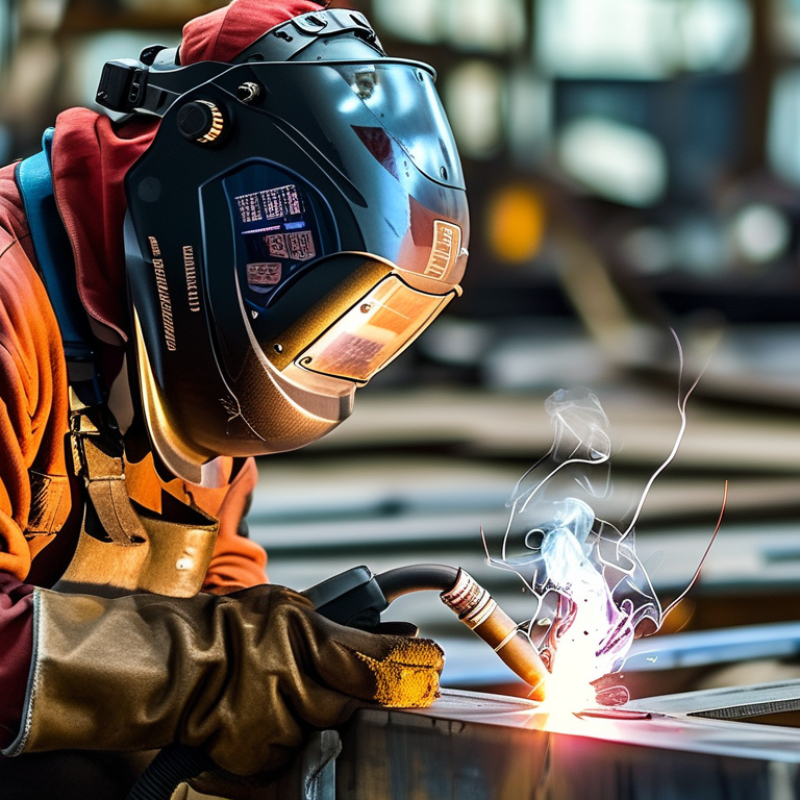
TIG welding, or Gas Tungsten Arc Welding, is a skilled technique used in various industries. Understanding its key concepts and equipment is essential for success. The welder uses a non-consumable tungsten electrode to produce the weld. This requires precision and control, making it a preferred method for thin materials and critical applications.
Equipment plays a vital role. A high-quality TIG welder ensures stability and consistency. Gas flow rates must be accurate; too little can lead to oxidation. According to the American Welding Society, improper gas coverage can compromise weld integrity, increasing the risk of defects. Additionally, selecting the right filler material is crucial; it must match the base metals for effective bonding.
Refining TIG techniques takes time. Beginners may struggle with arc length and travel speed. Observing experienced welders can provide insights. Many reports suggest that about 30% of new welders face challenges in their first year. Continuous practice and feedback are essential for improvement. Understanding these fundamentals helps create stronger, cleaner welds.
When it comes to TIG welding, selecting the right electrode is crucial for achieving quality results. Tungsten electrodes are the most common choice in the industry. They come in various types, such as pure tungsten and thoriated tungsten. A study conducted by the American Welding Society highlights that the right tungsten can improve arc stability, reduce contamination, and enhance overall performance.
Pure tungsten rods are non-radioactive and are ideal for DC welding on thin materials. They provide clean welds but have limitations in performance on heavier sections. Conversely, thoriated tungsten electrodes are known for better arc starting and longer life. Industry reports reveal that using thoriated rods can increase welding efficiency by 30% due to their superior melting point and heat resistance. However, their radioactive content raises safety concerns. Welders must weigh the risks and benefits carefully.
Another aspect to consider is the electrode size. The American Welding Society notes that a proper electrode diameter should match the thickness of the material being welded. Using an electrode that’s too large can result in poor control, while one that’s too small may not provide enough heat. An underperforming setup not only leads to faulty welds but can also lead to increased rework costs, underscoring the importance of choosing wisely.
Mastering TIG welding involves more than skill with the torch. Body position and movement significantly impact weld quality. Proper stance can enhance control and reduce fatigue. Keeping your feet shoulder-width apart helps maintain balance. Your knees should be slightly flexed to absorb motion. This stability allows you to focus on the weld puddle.
According to the American Welding Society, positioning affects weld penetration. Improper stances can lead to inconsistent bead profiles and defects. It's essential to practice movements that minimize strain. Your hands should remain steady, and your elbows should be near your body. This control prevents unwanted movement that could compromise the weld.
Evaluating your body positioning regularly is crucial. Some welders find themselves leaning or twisting into awkward angles. This can lead to muscle fatigue and long-term injuries. Regularly reflecting on your technique can help identify areas for improvement. Using video recordings or seeking feedback from peers can aid in this process. Remember, even experienced welders must continually adapt and refine their methods.
| Tip | Description | Body Position | Movement Technique |
|---|---|---|---|
| 1. Choose the Right Electrode | Selecting the correct tungsten electrode is crucial for optimal arc stability. | Maintain a comfortable distance to avoid fatigue. | Use a steady hand for control. |
| 2. Proper Amperage Settings | Adjust amperage according to material thickness for efficient welding. | Keep a relaxed posture when adjusting settings. | Move fluidly from one setting to another. |
| 3. Clean the Base Material | Ensure surfaces are free from contaminants to improve bond quality. | Adopt a stable stance for effective cleaning. | Use deliberate movements while cleaning. |
| 4. Maintain a Consistent Travel Speed | Speed affects bead appearance and penetration; stay uniform. | Position yourself to ensure forward momentum. | Practice smooth, continuous motions. |
| 5. Use Filler Rod Wisely | Introduce filler effectively to avoid inclusions in the weld. | Align your body to provide optimal reach. | Incorporate the rod smoothly into the weld pool. |
| 6. Control the Heat Input | Avoid overheating which can warp materials or create defects. | Stay relaxed to monitor heat levels better. | Adjust movement-based on current heat input. |
| 7. Practice Different Positions | Get comfortable welding in various positions for versatility. | Experiment with foot and hand placement. | Ensure ease of movement in all positions. |
| 8. Use Appropriate Shielding Gas | Select the right gas mix for your material. | Position yourself safely away from gas flow. | Be aware of gas flow while moving. |
| 9. Maintain Equipment Regularly | Regular checks ensure the reliability of your setup. | Keep tools within easy reach. | Make adjustments without disrupting flow. |
| 10. Seek Feedback and Improve | Regularly review your work and solicit advice. | Reflect on your posture and technique. | Incorporate tips into practice sessions. |
Adjusting welding parameters is critical when TIG welding. Different metals and thicknesses require specific settings. For instance, aluminum needs higher amperage and a shorter arc length than stainless steel. According to the American Welding Society, optimal settings can vary by nearly 30%, affecting weld quality. Thus, understanding each material's thermal conductivity is vital.
When working with thinner materials, it's important to reduce heat input. Excessive heat can lead to burn-through. A study from the Welding Research Council shows that heat-affected zones expand with increased amperage. For metal thicknesses below 1/8 inch, maintaining a stable arc with lower amperage is crucial. A welder should experiment with pulse welding techniques for more control.
Welding position also affects parameter settings. For vertical welding, a higher travel speed is often necessary to prevent excessive filling. The 2019 Welding Trends report noted that incorrect parameters led to 40% of rework in small to mid-sized fabrication shops. Fine-tuning your settings while keeping track of these adjustments can yield remarkable improvements in joint integrity. Keep a log of adjustments made, as this can help identify patterns over time.
TIG welding, or Tungsten Inert Gas welding, presents unique challenges. Many welders unknowingly make common mistakes that can affect the quality of their work. According to industry reports, nearly 40% of TIG welders admit to facing issues with inconsistent bead appearance. This can stem from inadequate heat settings or improper torch angles. Failing to adjust these factors can lead to weak joints or unwanted defects.
Another frequent error is the choice of filler material. Using the wrong filler can result in contamination. Data from welding seminars highlight that improper filler selection has caused up to 30% of weld failures in specific projects. Many welders overlook the importance of matching the filler with the base metal. This mistake can compromise structural integrity and lead to costly repairs.
Moreover, neglecting to maintain a clean workspace can also contribute to poor welding outcomes. A dirty environment can introduce contaminants, affecting weld quality. In fact, surveys show that around 25% of welders experienced issues because of improper workspace maintenance. Taking the time to prepare your tools and surrounding area is essential for success. Reflecting on these common pitfalls allows welders to enhance their skills and achieve better results.