Why Are Malleable Iron Fittings Essential for Plumbing Applications?
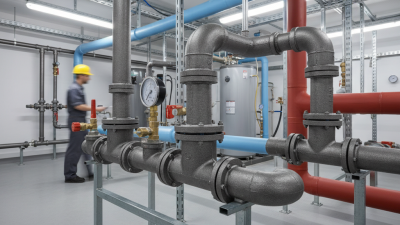
Malleable iron fittings play a crucial role in plumbing systems. In 2021, the global market for these fittings reached over $2 billion and is expected to grow steadily. Their unique properties make them an ideal choice for various applications. Malleable iron offers strength, flexibility, and resistance to corrosion. This ensures durability in challenging environments.
Plumbing requires components that withstand pressure and temperature changes. Malleable iron fittings excel in providing this reliability. They are commonly used in both residential and commercial plumbing projects. However, not all fittings are created equal. Some might not meet industry standards, leading to significant issues over time.
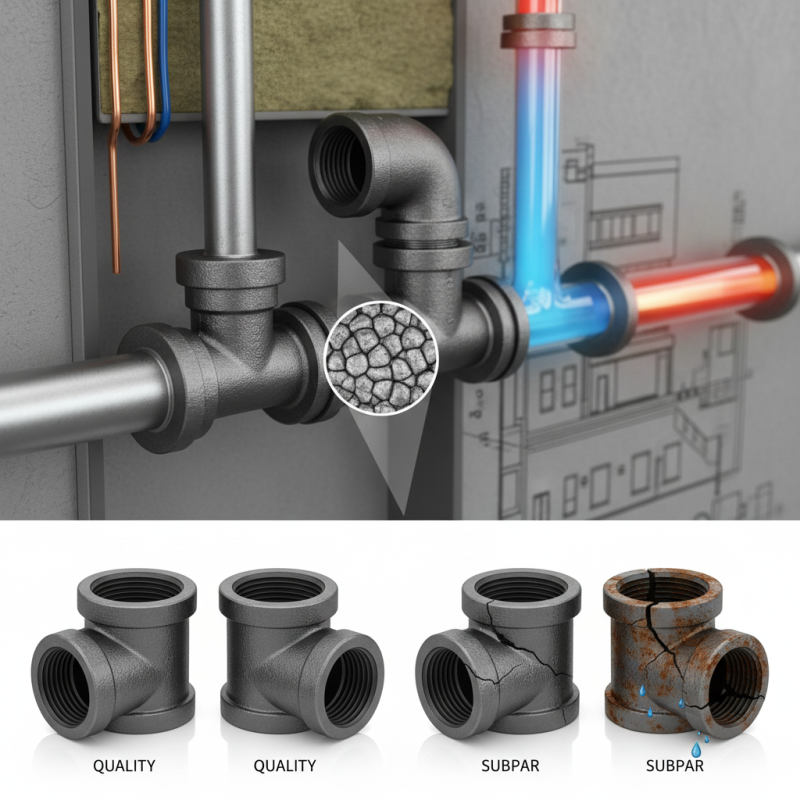
An often overlooked aspect is the importance of choosing quality fittings. Poor-quality malleable iron fittings can lead to leaks or failures. These problems can disrupt daily life and result in costly repairs. It’s essential to understand the implications of using subpar products in plumbing applications. Awareness of these factors will lead to better choices in essential plumbing materials.
Importance of Malleable Iron Fittings in Plumbing Systems
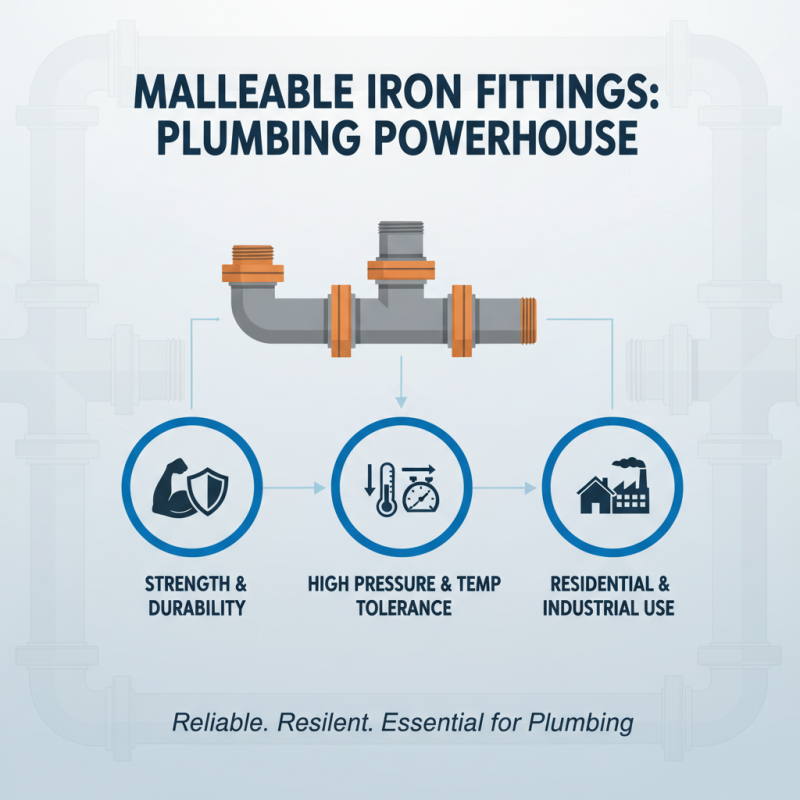
Malleable iron fittings play a critical role in plumbing systems. They offer strength and durability that many other materials struggle to match. These fittings can withstand high pressure and temperature fluctuations, making them ideal for various applications. For instance, they are often used in both residential and industrial plumbing setups.
The versatility of malleable iron fittings is notable. They come in different shapes and sizes, allowing for customized plumbing solutions. This adaptability is beneficial when navigating complex piping systems. However, not all installations utilize these fittings. Some projects resort to cheaper alternatives, which may compromise overall system integrity.
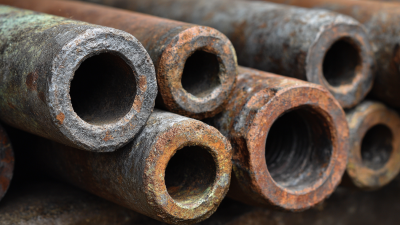
Proper installation and maintenance of malleable iron fittings can help prevent leaks and breakage. Rust and corrosion can be concerns if not addressed. Regular inspections are crucial for identifying potential issues before they escalate. Ignoring these details may lead to costly repairs down the line.
Key Properties of Malleable Iron for Durable Plumbing Solutions
Malleable iron is an excellent choice for plumbing applications. Its key properties make it a favorite among professionals. Malleable iron fittings can withstand high pressure and temperatures. According to industry reports, this material shows a tensile strength up to 60,000 psi. This strength translates into long-lasting plumbing solutions.
The ductility of malleable iron allows it to bend without breaking. This feature is crucial in applications where pipes face external stresses. The alloy's ability to deform makes installation easier. Malleable iron also resists corrosion effectively. Tests show that it can endure harsh environments better than many alternatives. However, it requires proper coatings to maximize longevity.
Despite these strengths, malleable iron is not without issues. It's heavier than plastic fittings, adding weight to overall installations. This can be a challenge during transport and installation. Additionally, improper handling may lead to cracks. Awareness of these potential downsides is vital for optimal usage. Still, when used correctly, malleable iron fittings provide reliable and durable plumbing solutions.
Why Are Malleable Iron Fittings Essential for Plumbing Applications?
| Property |
Description |
Importance in Plumbing |
| Durability |
Malleable iron is known for its ability to withstand high pressures and resist corrosion. |
Ensures longevity of plumbing fixtures even in harsh environments. |
| Malleability |
The material can be easily shaped and modified during installation. |
Allows for versatility in plumbing designs and configurations. |
| Thermal Conductivity |
Good conductor of heat which helps in avoiding thermal expansion issues. |
Prevents stress and potential ruptures in the plumbing system. |
| Cost-Effectiveness |
Relatively affordable compared to other materials like stainless steel. |
Provides economic benefits while maintaining quality. |
| Resistance to Stress |
Can endure mechanical stress without cracking. |
Essential for maintaining system integrity under pressure. |
Common Applications of Malleable Iron Fittings in Various Plumbing Tasks
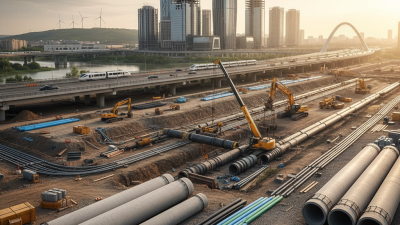
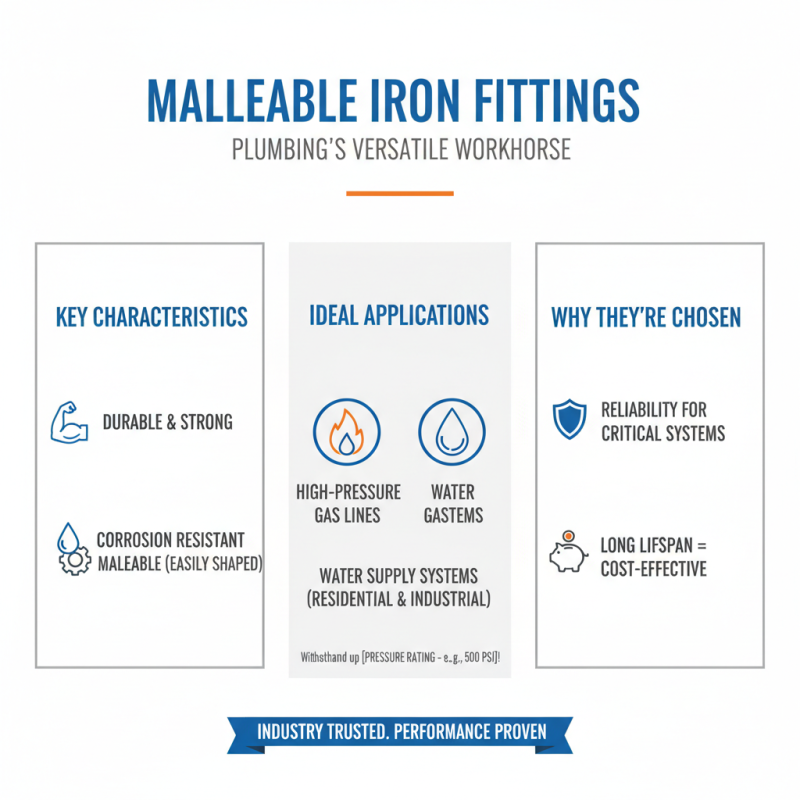
Malleable iron fittings play a crucial role in plumbing systems. Their versatility makes them suitable for various applications, from residential to industrial. According to a recent industry report, malleable iron fittings can withstand high-pressure systems, making them ideal for gas and water installations. These fittings are often favored for their durability and resistance to corrosion.
In residential plumbing, malleable iron fittings are commonly used for connections in heating systems. They are vital in ensuring leak-free joints, which reduces water waste. Additionally, they support the weight of heavy pipes, providing stability. In industrial applications, these fittings are often found in fluid transport systems. Their strength allows them to handle various fluids, including chemicals. A survey by a plumbing association highlighted that over 70% of plumbers prefer malleable iron for its reliability.
However, there are challenges. Malleable iron fittings can be heavy and may require additional support. Their installation can demand specific skills, often leading to errors if not handled properly. Misalignment during installation may cause leaks. For those in the plumbing industry, understanding these nuances is essential. Proper training and adherence to guidelines can help mitigate these issues. Choosing malleable iron fittings should be a decision based on both their strengths and limitations.
Advantages Over Other Materials in Plumbing Infrastructure
Malleable iron fittings play a crucial role in plumbing systems. They are known for their strength and flexibility. This adaptability makes them ideal for complex pipe networks. Unlike other materials, malleable iron can withstand pressure. This ensures long-term stability in plumbing infrastructure. They can also handle temperature fluctuations. This characteristic is essential for hot and cold water systems.
One of the significant advantages is resistance to corrosion. While some materials rust quickly, malleable iron offers durability. This creates fewer maintenance issues over time. However, the quality of the fittings can vary. It’s important to source reliable products. A poor-quality fitting can lead to leaks and other problems down the line. Proper installation is also critical. An improperly secured fitting can fail under pressure, leading to costly repairs.
Cost-effectiveness is another reason plumbers prefer malleable iron. While upfront costs might be higher than plastic, their longevity saves money. They can last for decades when installed correctly. Yet, the weight of these fittings can be challenging. Transporting and handling them requires care and effort. It’s not always straightforward, and that can slow down the installation process. Each project poses unique challenges that need careful consideration.
Maintenance and Care for Malleable Iron Plumbing Fittings
Malleable iron fittings are vital for plumbing systems. They offer strength and versatility. However, maintaining these fittings is crucial for optimal performance and longevity. Regular care can prevent costly repairs, as leaks or breaks can occur over time.
Regular inspections can identify potential issues. Check for rust or corrosion, which can diminish structural integrity. Cleaning the fittings with a gentle detergent can help maintain their appearance and function. According to industry reports, nearly 30% of plumbing failures are attributed to improper maintenance. It’s essential to replace any damaged fittings immediately to avoid further complications.
Here are some tips for care:
- Use protective coatings to prevent rust.
- Avoid exposing fittings to extreme weather conditions.
- Lubricate threads before installation to ensure a snug fit.
Incorporating these practices into your routine can enhance the longevity of your plumbing system. Being proactive can save you time and money in the long run. Remember, even the best materials require attention. Don't overlook the importance of maintenance.