Why Water Plumbing is Essential for Every Home?
Water plumbing is a crucial component of any home. It influences how we access clean water and manage waste. Proper water plumbing ensures a steady supply of fresh water for drinking, cooking, and bathing. Moreover, it plays a vital role in maintaining sanitation and health.
Think about your daily routines. We often take water plumbing for granted. A leaky pipe or clogged drain can disrupt our lives. It’s easy to overlook its importance until a problem arises. This is a reminder that regular maintenance is key. Without proper attention, minor issues can turn into major repairs.
The convenience of modern plumbing enhances our living conditions. However, many homeowners may not fully understand the systems in place. The intricate network of pipes, fixtures, and fittings requires knowledge and care. Reflecting on this can help us appreciate the silent efficiency of water plumbing.
Importance of Water Plumbing in Home Infrastructure and Safety
Water plumbing plays a crucial role in home infrastructure. It ensures a constant supply of clean water for daily needs. From drinking to cooking, plumbing systems make life comfortable. Poor plumbing can lead to leaks, which often go unnoticed. This can cause serious damage over time, affecting both the structure and health of the home.
Safety is another key aspect of plumbing. Proper installation and maintenance of pipes prevent issues like contamination. Waterborne diseases can arise from unclean water sources. Regular inspections are vital. They help identify potential problems early. Ignoring small leaks or clogs might seem trivial, but over time, these can escalate into larger issues. Homeowners should reflect on their plumbing systems often. Ensuring everything is functioning properly keeps the home safe and functional.
Why Water Plumbing is Essential for Every Home? - Importance of Water Plumbing in Home Infrastructure and Safety
| Aspect |
Importance |
Implications of Neglect |
| Water Supply |
Essential for daily activities like cooking, cleaning, and hygiene. |
Inconvenience, increased health risks. |
| Wastewater Disposal |
Necessary for maintaining cleanliness and preventing contamination. |
Sewage backups, health hazards. |
| Home Value |
Proper plumbing increases property value and appeal to buyers. |
Decreased home value, difficulty in selling. |
| Safety |
Reduces risks of flooding and water damage. |
Potential property damage, safety hazards. |
| Energy Efficiency |
Modern plumbing can help save water and reduce bills. |
Higher utility costs, waste of resources. |
Key Components of Home Plumbing Systems: Pipes, Fixtures, and More
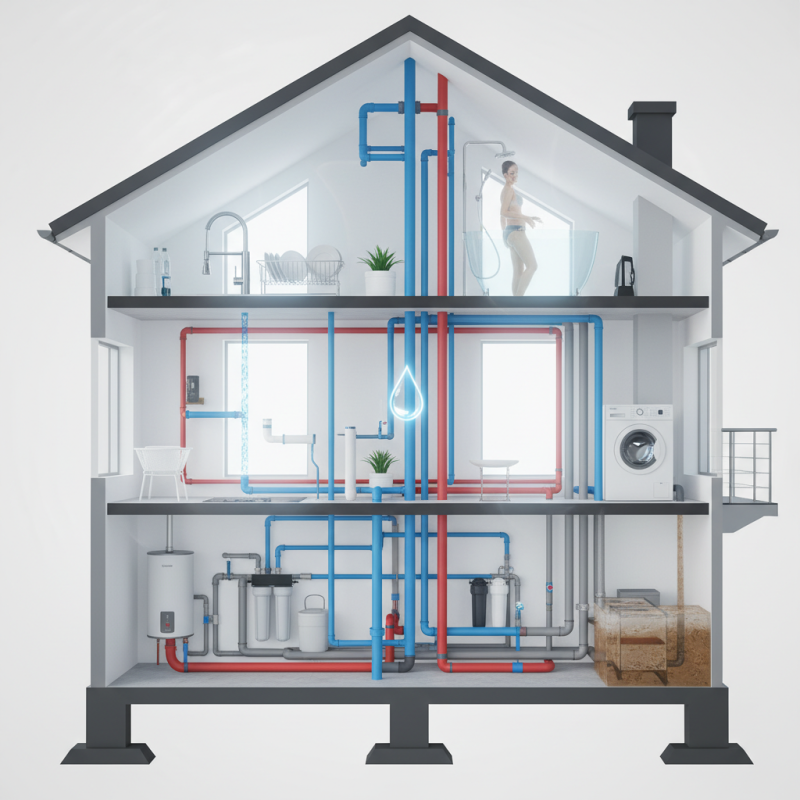
Pipes are the backbone of any home plumbing system. They transport water from the main supply to faucets and fixtures.
Copper, PVC, and PEX are common materials. Each has pros and cons.
For example, copper is durable but can be expensive. PVC is affordable but may not last as long.
Fixtures play a crucial role too.
Sinks, toilets, and showers are essential for daily life.
A leaky faucet can waste gallons of water each month. It can lead to increased bills and water damage. Regularly checking fixtures can save you from costly repairs.
Tips for homeowners: Inspect your pipes and fixtures regularly. Look for leaks or corrosion.
Address small problems before they escalate. Keep plumbing areas clean and accessible.
This way, you can spot issues early and maintain your system effectively.
The Role of Plumbing in Water Conservation and Efficiency
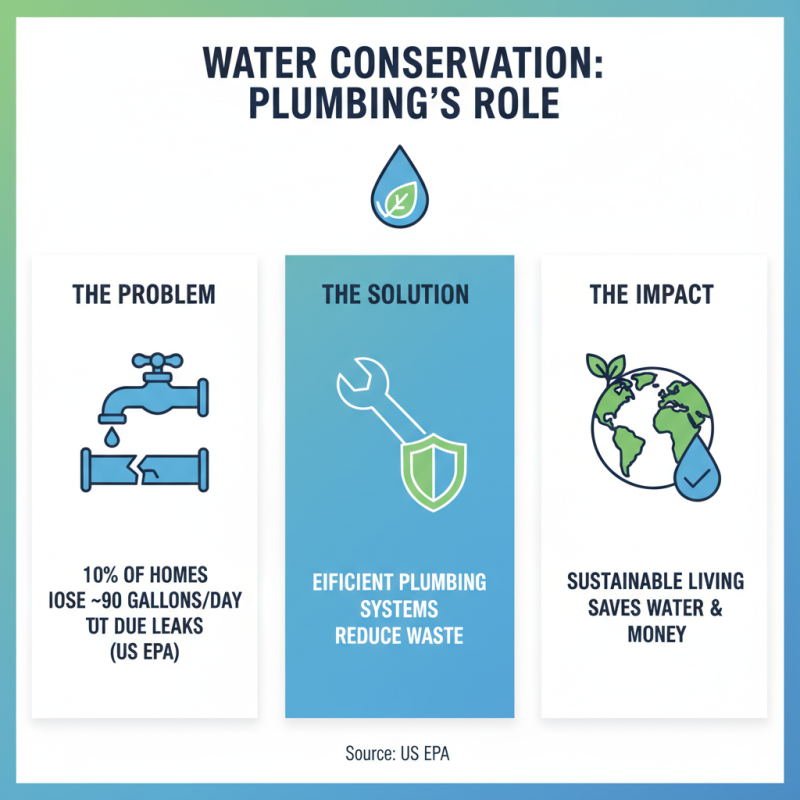
Water conservation is vital for sustainable living. Plumbing plays a significant role in achieving this goal. According to the U.S. EPA, 10% of homes lose about 90 gallons of water daily through leaks. This highlights the need for efficient plumbing systems that reduce water waste.
Modern plumbing fixtures can enhance water efficiency. Low-flow faucets and showerheads can save homeowners up to 2,900 gallons of water annually. However, many households still use outdated fixtures. This can lead to unnecessary water usage and increased bills. Upgrading plumbing systems is a simple way to improve efficiency.
Education about proper plumbing maintenance is crucial. Many homeowners overlook small leaks, not realizing their impact. Regular checks can prevent larger issues and save significant amounts of water. For example, fixing a leaky toilet could conserve over 200 gallons per day. Emphasizing proactive plumbing practices is essential for everyone.
Impact of Water Quality on Health and Plumbing Maintenance Needs
Water quality in our homes significantly impacts our health. Contaminated water can lead to serious illnesses. Issues like lead pipes and bacteria cannot be ignored. Maintaining clean water is essential for safe drinking and hygiene practices.
Regular plumbing maintenance helps prevent water quality issues. Check for leaks and corrosion in pipes. These problems can affect water safety. Consider using water filters as a temporary fix. They can reduce some contaminants. However, this shouldn’t replace proper plumbing care.
Tips for better water quality: always run your tap for a minute before drinking water. This helps clear out any standing water. Regularly test your water for pollutants. You may be surprised at what you find. Don’t assume your water is safe without testing. It's crucial to be proactive in ensuring your family's health.
Cost Analysis: Investing in Professional Plumbing Services for Longevity
Investing in professional plumbing services can save you money in the long run. While the initial cost might seem high, consider the potential damages from leaks or burst pipes. Such issues can lead to expensive repairs and even mold growth. A proper installation ensures durability.
Tips: Regular inspections help catch problems early. Inspect pipes, faucets, and fixtures. Look for any signs of wear or corrosion. Small leaks can quickly escalate if ignored. Don't wait for a major failure.
Delaying plumbing services often leads to more issues. Homeowners sometimes overlook small repairs. A dripping faucet might seem minor, but it wastes water and money. Beyond costs, think about the environmental impact. Water-saving plumbing solutions exist but require upfront investment. Choose wisely for greater efficiency.