What is Hybrid Bus AC and How Does It Work?
Hybrid Bus Ac is an innovative cooling system designed for modern hybrid buses. It plays a significant role in maintaining passenger comfort and operational efficiency. Unlike traditional air conditioning systems, Hybrid Bus AC utilizes energy from both electrical and hybrid sources. This reduces fuel consumption and greenhouse gas emissions.
The technology behind Hybrid Bus AC is complex yet essential. It typically combines electric compressors and efficient heat exchangers to provide effective climate control. The system can adapt to varying conditions, ensuring consistent temperature regulation. However, there are challenges in its implementation. Some bus operators face higher initial costs and maintenance concerns.
Understanding Hybrid Bus AC is crucial as cities expand their public transport networks. This technology can lead to reduced operational costs in the long run. Despite some drawbacks, the benefits in sustainability and efficiency are noteworthy. Embracing Hybrid Bus AC can transform urban transport. This innovative approach is a step towards greener cities.
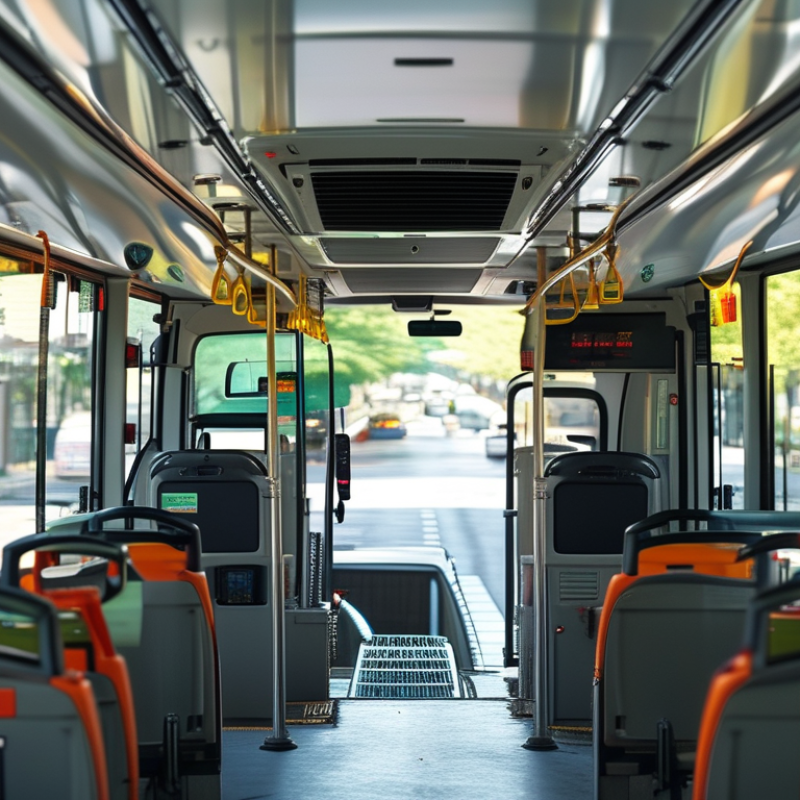
What is a Hybrid Bus AC System?
A hybrid bus AC system integrates advanced technology to optimize energy efficiency. These systems combine traditional air conditioning methods with electric heat pumps. This results in reduced energy consumption, which is crucial in public transport. A report by the American Public Transportation Association highlights that hybrid buses can save up to 30% in operating costs compared to conventional diesel buses.
The operation of a hybrid bus AC system relies on a complex balance of electrical systems and thermal management. At low speeds, the electric system takes precedence, providing cooling without high energy consumption. However, as speed increases, the conventional compressor may engage. This flexibility enhances comfort while maintaining efficiency.
Despite these advancements, challenges remain. The weight of the additional systems can impact vehicle performance. Some operators report issues with reliability under certain conditions. Continual innovation is vital in addressing these concerns. Technological improvements could lead to lighter components and better thermal management, enhancing overall effectiveness.
Hybrid Bus AC System Efficiency Comparison
Key Components of Hybrid Bus Air Conditioning
Hybrid bus air conditioning (AC) systems are essential for maintaining passenger comfort. These systems differ from conventional bus AC units. They integrate electric and mechanical cooling processes. This dual approach enhances energy efficiency and reduces emissions. According to a recent industry report, hybrid AC systems can save up to 30% energy compared to traditional systems.
Key components include electric compressors, refrigerant management systems, and advanced sensors. Electric compressors use less energy and can operate quietly, improving passenger experience. Refrigerant systems manage coolant flow, ensuring optimal temperature control. Sensors monitor cabin conditions in real time. This data helps the system adjust efficiently to changing temperatures.
Maintaining these components is crucial. Consider regular inspections to ensure peak performance. Look for unusual noises or changes in cooling effectiveness. Such signs may indicate underlying issues. Remember, a well-functioning AC not only enhances comfort but also contributes to the bus's overall efficiency.
How Hybrid Bus AC Differs from Conventional AC Systems
Hybrid Bus AC systems adopt advanced technology to optimize energy use in public transportation. Unlike conventional AC systems, which rely solely on diesel power, hybrid systems enhance efficiency by integrating electric power. A study from the International Council on Clean Transportation indicates that hybrid buses can reduce greenhouse gas emissions by up to 30% compared to traditional models.
The operational mechanism of hybrid AC involves a sophisticated control system. This system adjusts energy consumption based on real-time demands. In contrast, conventional systems operate at a fixed capacity, often leading to energy wastage. According to the U.S. Environmental Protection Agency, this adaptability can save up to 50% in energy costs over the vehicle's lifespan.
However, there are challenges associated with hybrid AC systems. For instance, the initial installation and maintenance costs can be higher than traditional systems. Moreover, the reliance on batteries raises questions about longevity and performance in extreme weather. Industry reports suggest that ongoing advancements are aimed at improving these aspects. As technology evolves, hybrid systems may offer even greater reliability and efficiency for urban transport.
Operating Mechanism of Hybrid Bus Air Conditioning
Hybrid bus air conditioning operates by integrating electric and combustion-driven systems. This design ensures efficient cooling while maintaining low emissions. Typically, the hybrid approach utilizes an electric compressor, which draws power from the bus's batteries. This adaption helps conserve fuel, especially in stop-and-go conditions common in urban environments.
The operating mechanism involves sensors that monitor the cabin temperature. When temperatures rise, the system activates the electric compressor. Data from industry reports indicates that hybrid air conditioning can reduce energy consumption by up to 30%, translating to significant cost savings for fleet operators. As a result, it allows for prolonged battery life and improved overall system efficiency.
When using hybrid bus AC systems, consider maintenance regularly. It's essential to ensure the electric and mechanical components are functioning properly. A well-maintained system not only enhances performance but also reduces the likelihood of costly repairs. Operators should also monitor the refrigerant levels routinely. Keeping these levels in check can prevent inefficiencies and maintain the system's effectiveness.
Benefits of Using Hybrid Bus Air Conditioning Systems
Hybrid bus air conditioning systems offer numerous benefits that enhance efficiency and sustainability. These systems combine conventional technologies with electric components, allowing for significant energy savings. According to a report by the American Public Transportation Association, operational costs can decrease by up to 30% when using hybrid technologies compared to traditional air conditioning systems. This is crucial as fuel expenses continue to rise.
Another advantage lies in their environmental impact. Hybrid systems emit fewer greenhouse gases than their diesel counterparts. Data from the Environmental Protection Agency highlights that hybrid buses can reduce CO2 emissions by approximately 20%. This reduction plays a vital role in urban areas where air quality is a growing concern. However, transitioning to hybrid systems requires initial investment. The maintenance of these advanced systems may also pose challenges for some operators.
User comfort is another important aspect. Hybrid bus AC systems provide more consistent temperatures, enhancing passenger experiences. This consistency is essential during peak summer months. Nevertheless, some systems may lag in performance under extreme heat, indicating the need for continual improvement. Overall, hybrid bus air conditioning systems present a forward-looking solution. The benefits significantly outweigh the drawbacks, making them a practical choice for modern public transport.