
Made in America

Get Connected With

JointsCouplings.com White Logo

Opening Hours M-F: 07:00 AM to 4:00 PM (PST)

How to Find Reliable 20cm Doll Plush Suppliers?

Finding a reliable 20cm Doll Plush supplier is not simply a matter of comparing unit prices. At this size, small changes in pattern placement, seam allowance, or filling can alter the doll’s shape. A sample that stands neatly on a desk may lean after shipping. That difference can affect customer reviews and repeat orders. Small details matter.

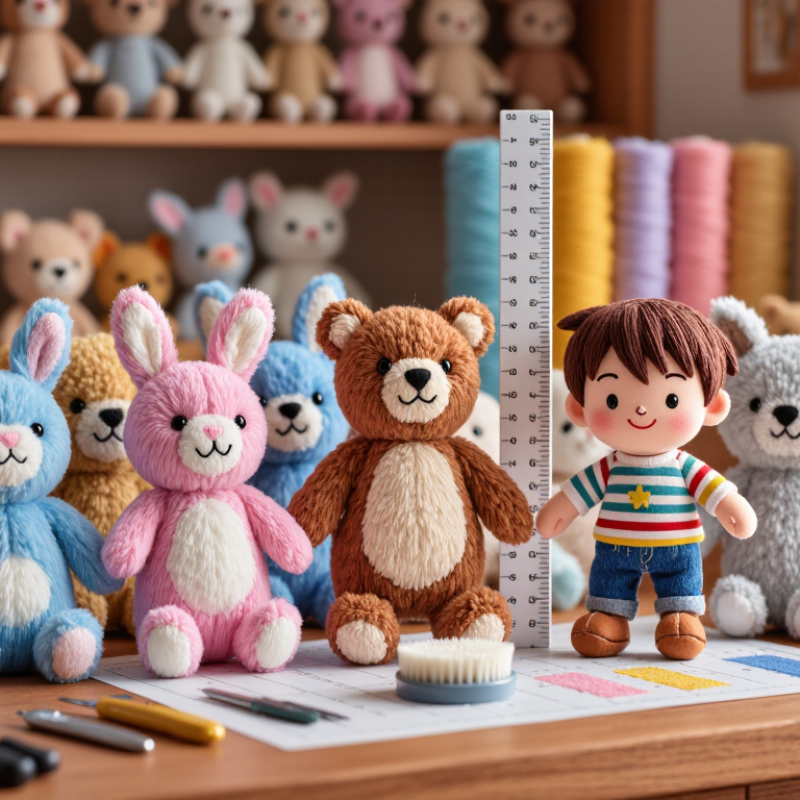
Circana’s 2023 global toy-market review reported that sales fell 7% across 12 key markets. The figure covers toys broadly, not plush dolls alone, so it should not be treated as a direct demand forecast. Still, it highlights why buyers need clear quality checks and realistic production schedules. Ask potential suppliers for recent samples, written specifications, and evidence of relevant quality testing. Inspect the face embroidery, limb symmetry, seam strength, fabric feel, and packaging. A ruler beside the sample can confirm its finished height; a brief compression check can reveal whether the filling springs back evenly. These practical checks do not replace independent testing, but they help expose inconsistencies early.

Good suppliers answer detailed questions without relying on polished photos alone. Confirm sample charges, minimum order quantities, lead times, and how defects are handled before placing an order. Compare the approved sample with pre-shipment photos or inspection results. Factory claims can sound convincing, yet one sample cannot prove consistent production. That is worth remembering. Use this guide to assess supplier evidence, communication, and repeatability—not just the lowest quotation.
How to Find Reliable 20cm Doll Plush Suppliers?

Define Your 20cm Doll Plush Requirements

A 20cm doll plush sounds specific, but the finished size can vary with shape and stuffing. Decide whether 20cm means standing height, seated height, or body length. Be precise. Write down the measurement method and acceptable variation, such as 19–21cm from feet to head. Include a simple sketch or reference photo, with key dimensions marked. Note features that affect the silhouette, such as a large head, short legs, or a hood. Small details matter.

Choose materials based on how the plush will be used. For a soft display piece, describe the fabric texture, color, and preferred filling firmness. If it will be handled often, ask how seams and embroidered details are checked for durability. Specify whether accessories should be removable, and list any packaging needs. Keep requests measurable where possible. “Soft and cute” is hard to compare; “short-pile fabric in warm beige” gives a supplier clearer direction. Set your expected order quantity and target delivery window before requesting a quote. A sample can expose issues that written specifications miss, such as a head that feels too heavy. This takes time. I have found that even careful notes leave room for interpretation, so revise the specification after reviewing the first sample.

Identify Suitable Supplier Types and Sourcing Channels

For 20cm doll plush, choose a supplier type that matches your order size and design needs. A factory-direct manufacturer can offer closer control over fabric, stitching, and sampling, but may require larger minimum orders. A trading company can combine products from several workshops and help coordinate smaller orders, though production details may be less visible.

Grand View Research’s 2024 plush toys market report estimated the global market at USD 11.6 billion in 2023, with projected growth through 2030. That signals active demand, not guaranteed sales for any particular design. Keep that distinction in mind.

Use trade fairs, established B2B sourcing platforms, and referrals from experienced buyers to build a shortlist. Then request a sample and check it in person: measure its height from head to foot, inspect seams around the neck and limbs, and note whether the pile sheds after gentle brushing. Small details matter. Ask suppliers to state material specifications, sampling time, production capacity, and minimum order quantity in writing. For a 20cm doll, even a small change in head proportions can affect appearance and packaging. I would compare at least three samples, although this takes time and can delay a launch. A polished catalogue is useful, but it is not proof of consistent production.

Verify Supplier Credentials and Production Capabilities

For a 20cm doll plush order, verify the factory, not just the sales office. Request its registered business details, current quality certificates, and a live video tour showing cutting, sewing, stuffing, and final inspection. The ISO Survey 2022 recorded 1,265,216 valid ISO 9001 certificates across 189 countries and economies. That scale shows how common certification is; it does not prove a specific factory can meet your specification. Check the certificate number, scope, issuing body, and validity directly with the issuer. Small detail, big difference.

Then test production capability with a paid sample and a written specification. State finished height, measurement tolerance, fabric type, stuffing weight, embroidery placement, and seam construction. Ask the supplier to measure the sample beside a ruler and photograph its seams and labels. Request recent production records or a quality-control checklist, with customer information removed. Ask how many units it can make per month, and whether that capacity includes subcontractors. A factory may promise a fast run, but its sample room and bulk line can perform differently. I would not treat a polished showroom as evidence. One overlooked point: confirm who approves changes when fabric or thread runs short. Keep that answer in writing.

Evaluate Samples, Materials, and Safety Compliance

When assessing a 20cm doll plush supplier, request samples from the same materials and production process used for bulk orders. Measure the doll from head to foot, then compare its size with the product specification. Check seam strength by gently pulling at the arms, legs, and clothing. Look for loose threads, uneven stitching, hard lumps, or facial features that shift under light pressure.

Small details matter. A sample is only a snapshot, though; production batches can vary.

Ask for material details, including fabric composition, filling type, and care instructions. Rub the fabric with a clean, damp cloth to check for color transfer, and wash a sample if the item is meant to be washable. Request relevant test reports and safety documents for the finished product, not just its raw materials.

Confirm that the documents match the doll’s design and intended age group, and check their dates and issuing laboratory. Requirements vary by sales market, so verify applicable standards with a qualified testing provider. Paperwork alone is not proof of consistent quality.

Keep approved samples and written specifications for comparison during production inspections, and ask how the supplier records material changes.

One detail may still be missed. That is why clear records and repeat checks matter.

Compare Quotes, Terms, and Quality Control Processes

How to Find Reliable 20cm Doll Plush Suppliers?

Compare quotes using one shared specification sheet. For a 20cm doll, state finished height, fabric type, filling, embroidery details, clothing, packaging, and acceptable measurement tolerance. Ask each supplier to separate sample, tooling, unit, and shipping costs. A low unit price can hide expensive revisions or unclear packaging fees. Check minimum order quantities, lead times, payment milestones, and what happens when samples miss agreed details. Small print matters.

Quality control should be specific, not just “inspected before shipment.” Request photos of the approved sample, fabric and color checks, measurements, and inspection records at key production stages. Agree in writing on defect categories and the remedy for failed inspections. McKinsey & Company’s 2020 supply-chain survey reported that 93% of surveyed executives planned to increase resilience. That makes documented processes and backup plans worth comparing alongside price. A polished quote is not proof of consistent production, though; ask for evidence from a recent comparable order.

Tips: Compare like with like. Keep the same spec sheet for every quote, and ask suppliers to explain every cost difference. A tiny stitch detail can change the sample—and the final doll.