10 Essential Tips for Choosing Double Ended Dowel Pins?
When it comes to woodworking and assembly projects, choosing the right hardware is crucial. Double-Ended Dowel Pins are versatile tools that help in aligning and joining various materials. However, not all dowel pins are created equal. Understanding the nuances of these pins can greatly enhance the strength and stability of your constructions.
Selecting a high-quality double-ended dowel pin requires careful consideration. Factors such as material, size, and finish play a significant role in performance. Failing to choose the right specifications may lead to structural weaknesses or premature failures. It's essential to evaluate your project's unique needs before making a decision.
Moreover, personal experience often shapes our choices. While one type of pin might work perfectly for a simple project, it could prove inadequate in more complex scenarios. Reflection on past projects can guide your future selections. Ultimately, making an informed choice will result in better craftsmanship and satisfaction in your woodworking endeavors.
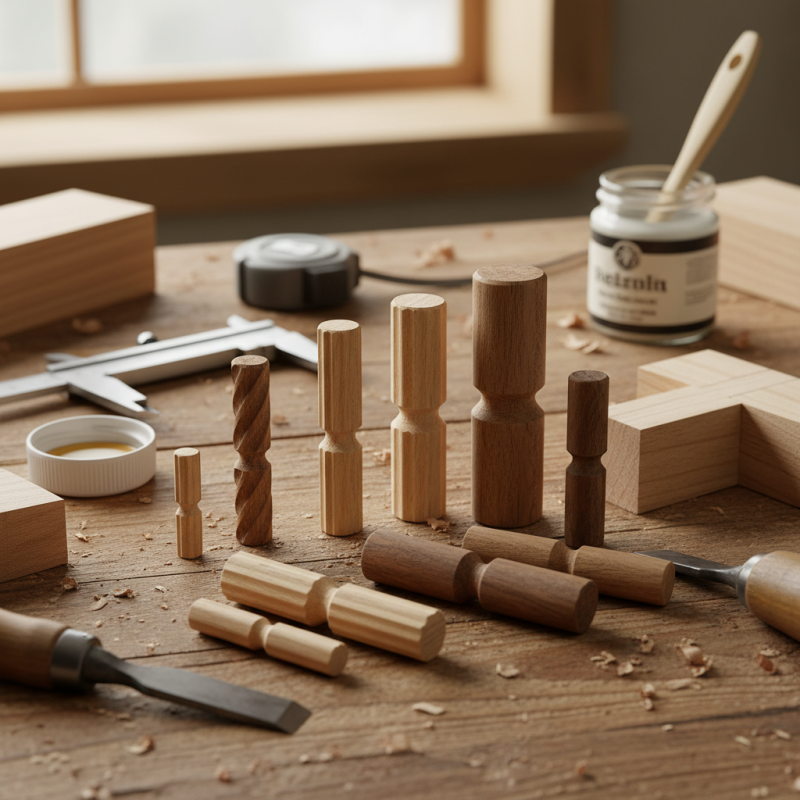
Factors to Consider When Selecting Double Ended Dowel Pins
When selecting double ended dowel pins, it’s crucial to consider a few key factors. The material is paramount. Different materials offer varied strength and durability. For example, stainless steel provides rust resistance while plastic offers lightweight options. Weigh your choices against the demands of your project.
Next, the size of the dowel pins matters significantly. Measure the diameter and length needed for a secure fit. An incorrect size can lead to gaps. Additionally, consider the tolerance levels required. Too loose a fit can compromise stability. On the other hand, too tight a fit can lead to difficulties during assembly.
Also, think about the application environment. Will the pins withstand temperature changes or humidity? This can influence whether you choose wood, metal, or composite materials. Reflect on these aspects and gather as much information as possible for an effective choice. It is easy to overlook these details, but they play a vital role in the pins’ performance and longevity.
Materials Used in Double Ended Dowel Pins: Pros and Cons
When selecting double-ended dowel pins, material choice greatly impacts performance. Common materials include steel, brass, and plastic. Steel dowel pins offer high strength and durability. They are rust-resistant when properly treated. However, they can be prone to corrosion in harsh environments.
Brass dowel pins provide excellent corrosion resistance. Their aesthetic appeal makes them popular in decorative applications. Yet, brass typically lacks the tensile strength of steel. This can limit its use in high-load situations.
Plastic dowel pins are lightweight and immune to rust. They are perfect for applications requiring flexibility. However, they can be less durable under heavy loads.
Consider these tips when choosing your pins. Analyze the environment where the pins will be used. Determine load requirements carefully. Match the material properties to your specific needs. For significant load-bearing applications, prioritize steel. If aesthetics matter, look into brass options. For flexibility and corrosion resistance, plastic is the way to go. Always ensure your choice aligns with the intended application to prevent future failures.
Sizing Guidelines for Double Ended Dowel Pins: What You Need to Know
Choosing the right size for double ended dowel pins is crucial for effective assembly and durability. Accurate sizing helps ensure a snug fit for your projects. Begin by measuring the diameter and length required. Standard sizes are available, but custom options exist. Always check your specifications.
When selecting dowel pins, consider the material. Steel, aluminum, and plastic each have unique strengths. The application will guide your choice. For heavy loads, steel is preferred. If weight is a concern, opt for aluminum.
In your planning, think about tolerances. A loose fit can compromise your project’s integrity. Aim for precision. It’s wise to have a small range in mind. Double ended dowel pins are versatile but must be chosen carefully. Don’t rush the decision; take time to reflect on your needs.
10 Essential Tips for Choosing Double Ended Dowel Pins
| Tip Number | Tip Description | Sizing Guidelines |
| 1 | Determine the required length based on your project. | Measure the space where the dowel pin will be used. |
| 2 | Choose the right diameter for stability. | Consider load requirements and material thickness. |
| 3 | Select the material based on environmental factors. | Wood, metal, or plastic options depending on moisture and temperature. |
| 4 | Consider surface finish for aesthetics and function. | Smooth or textured finishes can impact grip and installation. |
| 5 | Account for tolerance levels in your design. | Different projects may require varying levels of fit. |
| 6 | Check for load-bearing capacity specifications. | Ensure dowel pins can handle intended stress and weight. |
| 7 | Research proper installation methods. | Identify whether dowel pins need glue, hammering, etc. |
| 8 | Maintain quality standards for manufacturing. | Look for certifications or quality assurances. |
| 9 | Evaluate compatibility with other fasteners. | Make sure dowel pins fit well with screws or other components. |
| 10 | Consult expert recommendations when in doubt. | Seek advice from professionals if unsure about choices. |
Applications of Double Ended Dowel Pins in Various Industries
Double-ended dowel pins serve crucial roles across various industries, including automotive, furniture, and manufacturing. In the automotive sector, they are used to align parts during assembly, ensuring durability and reliability. Reports suggest that precision dowel pins account for over 15% of components in modern vehicles, highlighting their importance.
In furniture making, double-ended dowel pins facilitate strong joints, contributing to the longevity of products. A recent study found that furniture using high-quality dowel pins had a 20% lower failure rate compared to those without. This showcases the value of selecting the right dowel pins for ensuring product integrity.
When choosing double-ended dowel pins, consider these tips:
- Material matters: Select pins made from materials that can endure the application’s specific environment.
- Size and fit are crucial: Ensure they match the hole dimensions for optimal performance.
- Assess industry standards: Evaluate any standards that may apply to your application.
Attention to these details can significantly affect overall strength and assembly efficiency.
Quality Standards and Certifications for Double Ended Dowel Pins
When selecting double-ended dowel pins, understanding quality standards is vital. Many manufacturers adhere to international certifications like ISO 9001. This ensures consistent quality across production batches. A study by the American Society for Testing and Materials indicated that high-quality dowel pins can improve the overall strength of joints by up to 30%.
The material used in dowel pins significantly affects their durability. Most reputable manufacturers use stainless steel or hardened steel, which resist corrosion and wear. Pay attention to the thickness of pins. A thicker pin provides better strength but may require larger holes, complicating assembly. Some reports suggest that misalignment during assembly can lead to a significant increase in failure rates.
Choosing the right dowel pins involves more than just picking a size. Consider the application and environment. For example, dowel pins used in damp conditions need extra protection. Look for pins with additional coatings that enhance resistance. Prioritize suppliers who can provide detailed product specifications, as this reflects their commitment to quality assurance.
Quality Standards and Certifications for Double Ended Dowel Pins