Top Container Greenhouse Tips for Successful Gardening?
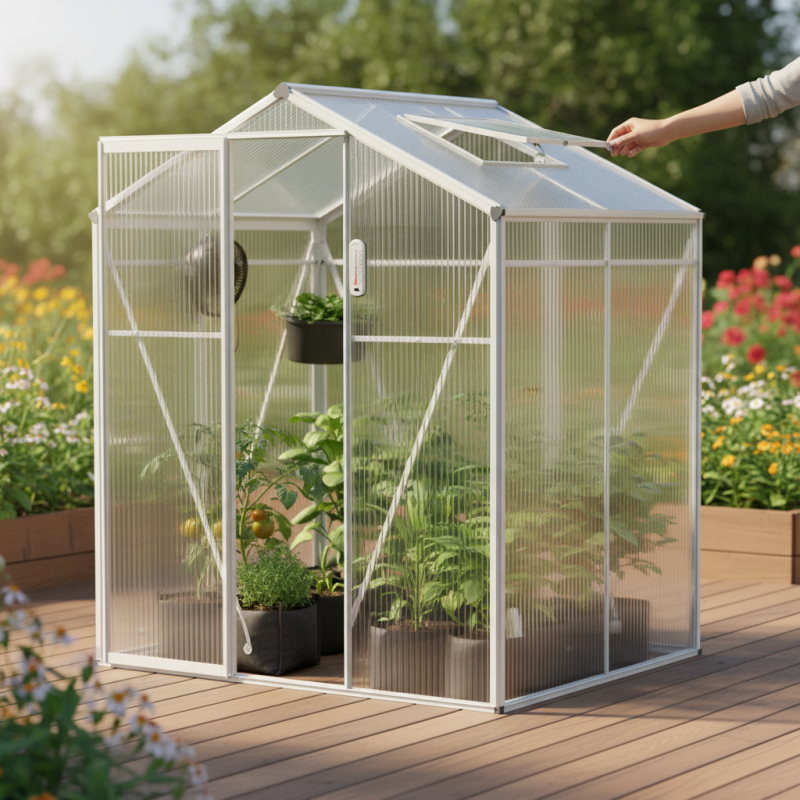
Container Greenhouses have become popular for home gardeners seeking to control their growing environments. These structures provide a dedicated space to nurture plants, regardless of the external weather. They create a unique microclimate that can enhance growth and extend the gardening season.
People appreciate Container Greenhouses for their flexibility. They can fit into small spaces, making gardening accessible for those with limited room. However, proper planning is essential. Choosing the right location increases light exposure and protects plants from wind. A well-placed Container Greenhouse can make a difference.
While many enjoy the benefits, some face challenges. Temperature regulation and ensuring proper ventilation are common issues. It’s important to observe and adjust as needed. As you embark on this gardening journey, remember that reflection and adaptation are vital for success. Learning from mistakes can lead to a thriving Container Greenhouse.
Choosing the Right Container for Your Greenhouse Garden
Choosing the right container for your greenhouse garden is essential for success. Start by assessing your plants' needs. Some plants thrive in deep containers, while others prefer shallow ones. For example, root vegetables like carrots need deeper spaces, whereas herbs can fare well in shallow trays.
Tips: Use pots with proper drainage holes. Without them, water can get trapped, leading to root rot. Consider material too. Clay pots provide good airflow but can dry out quickly. Plastic containers are lightweight and retain moisture longer, but may not offer the same breathability.
Think about the size as well. Overcrowding leads to competition for nutrients. Always leave adequate space between plants. Some gardeners make the mistake of cramming too many pots together. It might look full, but it hinders growth. Aim for a balanced approach and let plants breathe.
Selecting the Best Soil Mix for Container Gardening
Selecting the right soil mix for container gardening is crucial for success. Good soil supports healthy root development. It helps retain moisture while allowing excess water to drain. A mix should include a combination of potting soil, compost, and perlite. This blend creates a lightweight structure that promotes aeration.
A common mistake is using garden soil directly. It can compact in containers, restricting roots. Instead, look for pre-mixed potting soil. Some gardeners add amendments like vermiculite for additional moisture retention. Remember, you may need to adjust your mix based on the plants you choose.
Maintaining soil health is not a one-time effort. Regularly checking moisture levels is vital. Containers tend to dry out quickly, especially in hot weather. Observing your plants can offer clues. Yellowing leaves may signal overwatering or nutrient deficiency. Making adjustments to your soil mix can lead to a greener garden.
Watering Techniques for Optimal Plant Health in Containers
Watering techniques are crucial for container gardening success. Proper hydration directly affects plant health. According to the University of Florida’s Institute of Food and Agricultural Sciences, container plants require watering methods that differ from traditional gardens. Soil in containers dries out faster due to factors like size and materials.
One efficient method is the drip irrigation system. It delivers water directly to the root zone, minimizing waste. Research shows that this method can reduce water usage by up to 50%. However, it requires an initial investment and proper setup. It is easy to overlook regular monitoring of moisture levels, which can lead to overwatering or underwatering. Regular checks are essential.
Another technique is using self-watering containers. These allow plants to access moisture as needed. This method can significantly improve plant survival rates, especially during heat waves. Still, mismanagement can result in waterlogged conditions. It’s essential to balance the water supply, paying attention to plant signs. Adaptability is needed for effective container gardening, as every plant has unique requirements.
Managing Light and Temperature in Your Container Greenhouse
Managing light and temperature in your container greenhouse is crucial for successful gardening. Light affects plant growth significantly. According to a 2022 study from the American Society for Horticultural Science, plants in optimal light conditions can grow up to 50% faster. Using sheer curtains or shades can help filter excessive sunlight while maintaining essential exposure. Be mindful of the seasonal changes in light intensity. Some plants may require up to 12 hours of light per day, especially during their growing phase.
Temperature control is equally important. The ideal temperature range for most plants is between 70°F and 80°F during the day, and slightly cooler at night. A recent report by the National Gardening Association indicated that plants grown in extreme temperatures experience slower growth and reduced yields. You can use thermometers placed at different heights to monitor variations. Fans can assist with air circulation, while thermal mass, like water barrels, can help stabilize temperature shifts. Even though managing these factors can be challenging, experimenting with different setups can lead to better results.
Proper ventilation is often overlooked. Insufficient air circulation can cause heat buildup, leading to plant stress. A common mistake is sealing a greenhouse too tightly, which can trap humidity and promote disease. Regular adjustments to vents and openings are essential, especially on warm days. Not all attempts will yield success, but learning from each season helps refine your approach to creating a thriving container greenhouse environment.
Light and Temperature Management in Container Greenhouses
The following chart illustrates the ideal light exposure (in hours) and temperature (in °C) for different vegetables grown in a container greenhouse. Proper management of these factors can lead to successful gardening outcomes.
Common Pests and Diseases in Container Gardening: Prevention and Control
Container gardening offers a unique set of challenges, especially when it comes to pests and diseases. One of the most common issues is aphids. These tiny insects feed on new plant growth. They can quickly reproduce and cause damage. Regular inspection of your plants is crucial. Use a strong stream of water to dislodge them. Neem oil is another effective solution.
Fungal diseases are another concern. Overwatering can lead to root rot. It's vital to use well-draining soil and appropriate-sized containers. Check for yellowing leaves. This can indicate stress due to disease. Additionally, powdery mildew can appear on leaves. Ensure proper airflow around your plants to minimize this risk.
Maintaining cleanliness is key in container gardening. Remove any dead leaves or debris. This can harbor pests and diseases. Consider companion planting to create a more resilient garden. Some plants can naturally deter pests. Experiment with different combinations to see what works best. Keep learning and adapting as you grow. Each season brings new experiences and lessons.