Top 10 Common Issues with Sewer Drain Pipes and How to Fix Them
Proper maintenance of sewer drain pipes is essential for ensuring that residential and commercial plumbing systems function smoothly. Over time, these pipes can encounter a variety of problems, which can lead to costly repairs and significant inconvenience. Identifying common issues with sewer drain pipes and understanding how to effectively address them can be the key to preventing potential disasters.
In this article, we will explore the top 10 common issues that homeowners and property managers may face with their sewer drain pipes. From clogs and leaks to tree root intrusions and pipe deterioration, each problem presents its own set of challenges. Furthermore, we will provide practical solutions that can help mitigate these issues before they escalate. By equipping yourself with knowledge about sewer drain pipe maintenance, you can ensure a more efficient and reliable plumbing system in your home or business.
Common Blockages in Sewer Drain Pipes and Their Causes
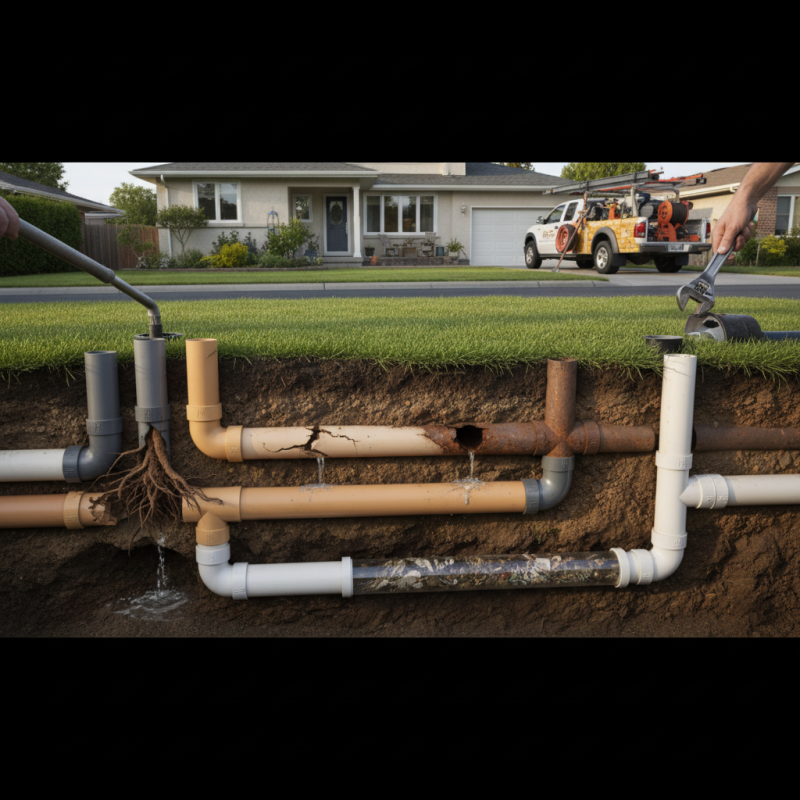
One of the most common issues with sewer drain pipes is blockages caused by a buildup of materials over time. Grease, hair, soap scum, and food particles often accumulate in the pipes, leading to clogs. Grease tends to stick to the walls of the pipes, hardening over time and narrowing the passageway. Hair can tangle with other debris, creating a dense mass that restricts flow. Similarly, soap scum, especially from bar soaps, can stick to the insides of the pipes, compounding the problem.
These blockages can lead to slow drainage and eventually complete obstructions if not addressed promptly.
Another significant cause of blockages in sewer drain pipes is the intrusion of foreign objects. Items such as sanitary products, paper towels, and children's toys frequently end up in toilets and sinks, leading to severe clogs. Roots from nearby trees can also penetrate sewer lines, causing significant blockages as they grow. These obstructions not only disrupt the flow of wastewater but can also cause damage to pipes if left untreated.
Regular maintenance, such as using strainers in drains and being cautious about what goes down the toilet, can help mitigate these issues and maintain a healthy sewer system.
Signs of Damaged Sewer Drain Pipes to Look Out For
When it comes to maintaining the integrity of sewer drain pipes, early detection of damage is crucial. Homeowners should be vigilant for several signs that may indicate underlying issues. According to a report by the National Association of Sewer Service Companies (NASSCO), about 20% of all sewer line failures are related to aging pipes that have not been adequately maintained. Common indicators of pipe damage include slow drainage, gurgling noises from the plumbing system, and the presence of foul odors near drain areas.
Another significant sign to watch for is the occurrence of water pooling or unusually damp areas in your yard, which could signal a compromised sewer line. A study conducted by the American Society of Civil Engineers (ASCE) found that nearly 1 in 5 homeowners experience issues related to sewer line backups due to obstruction or leaks. Additionally, cracks and corrosion can develop over time, often exacerbated by tree root intrusion. If such signs are present, it’s essential to address the issue promptly, as delays can lead to more severe damage and costly repairs that may exceed $5,000, according to the same NASSCO guidelines. Recognizing these symptoms early can help mitigate risks and maintain a healthy plumbing system.
Top 10 Common Issues with Sewer Drain Pipes
Effective Methods for Clearing Clogged Sewer Drains
When dealing with clogged sewer drains, it’s essential to employ effective methods to tackle the problem efficiently. One of the first steps homeowners can take is to use a plunger. This tool creates a vacuum that can dislodge obstructions, allowing for smoother drainage. Be sure to cover any overflow holes in the sink or tub while plunging to maximize pressure on the clog. Another handy method is the use of a plumbing snake. This flexible tool can reach deep into the pipes, breaking up or pulling out stubborn blockages that a plunger alone might not handle.
If these methods prove ineffective, chemical drain cleaners can be utilized with caution. It’s important to choose non-corrosive options to avoid damaging pipes. However, frequent use can lead to potential pipe deterioration, so it should be a last resort. For persistent clogs, consider a high-pressure water jetting service. This process blasts water through the pipes at high pressure, clearing debris and buildup while being safe for the plumbing system. Regular maintenance, such as routine cleaning and avoiding the disposal of inappropriate materials, can help prevent future clogs, ensuring a smoother flow in your sewer drain system.
Top 10 Common Issues with Sewer Drain Pipes and How to Fix Them
| Issue |
Symptoms |
Possible Causes |
Effective Fixes |
| Slow Drain |
Water drains slowly or not at all |
Clogs from debris or tree roots |
Use a plunger or drain snake |
| Foul Odors |
Unpleasant smells around drain |
Bacteria buildup or sewer backup |
Clean drains regularly and ventilate |
| Gurgling Sounds |
Unusual noises when draining |
Air trapped in pipes |
Check for clogs and vent issues |
| Frequent Clogs |
Regular blockages |
Hair, grease, and food buildup |
Use drain strainers; avoid pouring grease |
| Water Backup |
Water returns to sinks or tubs |
Main sewer line blockage |
Call a plumber for professional clearing |
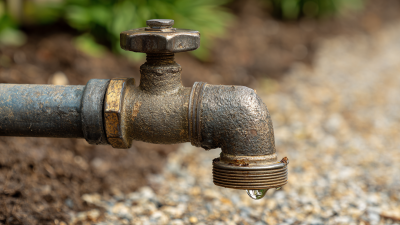
| Pipe Corrosion |
Rust or discoloration on pipes |
Age or chemical exposure |
Replace damaged pipes |
| Sewer Smells |
Strong sewage odors indoors |
Dry traps or leaks |
Pour water into dry traps and check for leaks |
| Wet Spots in Yard |
Muddy or soggy areas on lawn |
Sewer line leak |
Inspect lines; possible excavation |
| Tree Root Infiltration |
Frequent blockages and slow drainage |
Roots invading pipes |
Use root killer chemicals or remove roots |
| Improper Installation |
Frequent issues or misalignment |
Bad pipe slopes or connections |
Consult a plumber for proper installation |
Preventive Measures for Maintaining Sewer Drain Pipes
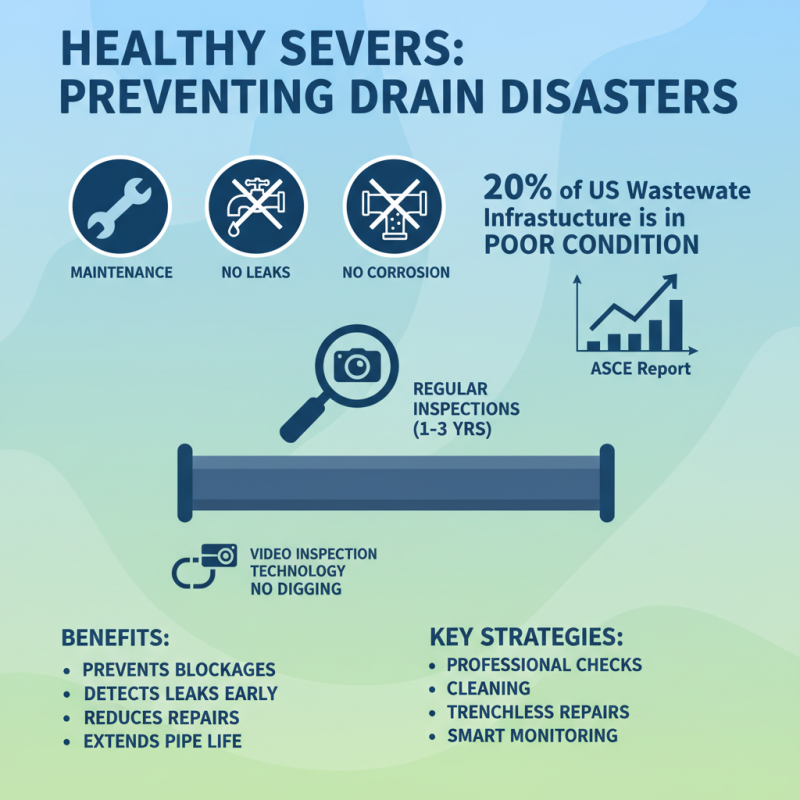
Maintaining sewer drain pipes is essential for preventing common issues such as blockages, leaks, and corrosion. According to a report from the American Society of Civil Engineers (ASCE), approximately 20% of the nation’s wastewater treatment infrastructure is in poor condition, highlighting the urgent need for effective maintenance strategies. Regular inspections of sewer systems, ideally every one to three years, can help identify potential problems before they escalate. Utilizing video inspection technology allows professionals to assess the condition of pipes without invasive digging, providing valuable insights into the need for repairs or replacements.
Another critical preventive measure is the implementation of proper disposal practices to avoid grease and debris buildup, which can lead to significant clogs. The Plumbing Manufacturers International (PMI) states that over 65% of sewer blockages are caused by foreign materials, including cooking grease and non-flushable wipes. Homeowners and businesses should be educated on the importance of what can and cannot be disposed of down the drain. Additionally, routine maintenance, such as hydro-jetting, can effectively clear out accumulated buildup and maintain optimal flow in sewer pipes, ultimately extending their lifespan and reducing the risk of costly repairs.
When to Call a Professional for Sewer Drain Issues
When it comes to sewer drain issues, recognizing when to call a professional is crucial for maintaining the health of your plumbing system. According to a study by the American Society of Civil Engineers, aging infrastructure is a significant concern, with 60% of the nation’s wastewater pipes more than 50 years old and approaching the end of their lifespan. Signs that indicate you may need professional assistance include persistent slow drains, recurring clogs, or even foul odors emanating from your drains. These symptoms may suggest more serious underlying problems, such as tree root intrusion, damaged pipes, or a blockage deep within the system that requires specialized tools for resolution.
You should also consider contacting a professional if you experience sewage backups in your home. The Environmental Protection Agency reports that improper drainage and sewer backups pose health risks, as they can lead to exposure to harmful pathogens. A professional plumbing service will have the necessary equipment and expertise to conduct a thorough inspection, often utilizing video camera technology to assess and diagnose the issue accurately. Waiting too long to address these problems can exacerbate the damage, leading to more extensive and costly repairs. In fact, nearly 75% of homeowners report that timely intervention from plumbing professionals saved them from more significant expenses.