How to Choose the Right Electrical Cabinet for Your Needs?
Choosing the right electrical cabinet is crucial for any electrical installation. It serves as a protective enclosure for electrical components, ensuring safety and efficiency. However, the decision-making process can be challenging. There are various factors to consider, and each choice can significantly impact performance.
An electrical cabinet must be tailored to specific needs. Factors like size, material, and design play vital roles. A cabinet that is too small can lead to overheating issues. On the other hand, an overly large cabinet may waste space and resources. It's essential to balance functionality with practicality.
Expert advice often highlights the importance of durability and compliance with safety standards. A reliable cabinet should withstand environmental conditions, such as humidity and temperature variations. While these elements offer guidance, reflecting on your unique situations and needs can lead to the best choice. Each installation is different, and what works for one may not work for another. Therefore, thoughtful consideration is key in selecting the ideal electrical cabinet.
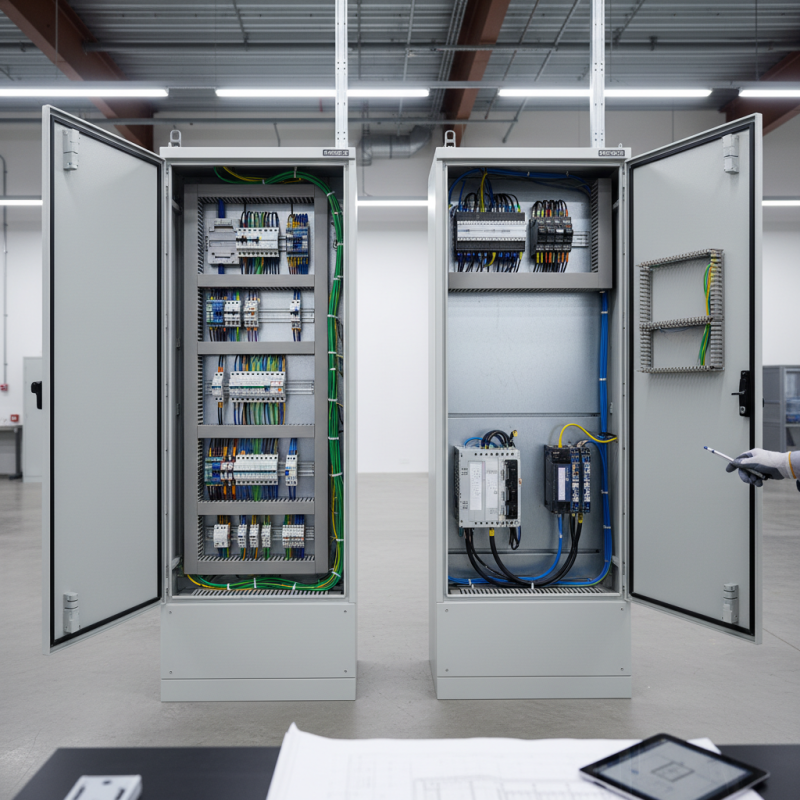
Understanding the Purpose of Electrical Cabinets in Your Installation
Electrical cabinets serve as the backbone of any electrical installation. They protect vital components from dust, moisture, and physical damage. Understanding their purpose helps in selecting the right type for your needs. A well-chosen cabinet not only enhances safety but also improves system efficiency.
When determining the purpose of your electrical cabinet, consider the environment it will be placed in. Indoor and outdoor settings have different requirements. For example, outdoor cabinets need to be weather-resistant. Temperature fluctuations can affect the functioning of components. This highlights the necessity of durability in your choices.
Additionally, thoughtful organization within the cabinet is essential. A crowded and messy setup can lead to confusion and errors during maintenance. Labels and systematic layouts can greatly enhance usability. Reflecting on your current setup can reveal areas in need of improvement. Acknowledging these factors ensures your selection aligns with practical needs and safety standards.
Identifying Different Types of Electrical Cabinets and Their Features
Choosing the right electrical cabinet starts with understanding the various types available. The two main categories are wall-mounted and free-standing cabinets. Wall-mounted cabinets are ideal for saving space. They are often used in smaller facilities or homes. However, they may lack sufficient room for larger components.
Free-standing cabinets offer versatility. They provide more internal space and can accommodate larger equipment. Many of them come equipped with cooling systems and cable management features. It's essential to evaluate the specific requirements of your equipment. This ensures proper fit and functionality. Consider the materials used as well. Metal cabinets are durable, while plastic ones offer lightweight solutions.
While selecting, also think about environmental factors. What conditions will the cabinet face? Exposure to moisture or extreme temperatures can impact longevity. Reflecting on your specific needs can lead to a more informed decision. Focus on what truly matters for your setup. A well-chosen cabinet minimizes future adjustments and enhances overall safety.
Evaluating Size and Space Requirements for Your Electrical Cabinet
When selecting an electrical cabinet, the size and space requirements are crucial. Start by measuring your available area. Consider both height and width, as well as depth. The cabinet must fit comfortably in the designated space, without cramping other equipment. Allow for some extra room for ventilation and maintenance access. Ignoring these measurements could lead to frustrating adjustments later.
Assess the equipment that will reside inside the cabinet. Different applications require different configurations. Larger items need bigger cabinets. Compact setups only need small units. Remember, if you overestimate space, it can create an awkward layout. Proper organization ensures efficiency. Think about cable management and airflow. Recognizing these needs can prevent problems in the future.
Consider flexibility in your choice. Space may change, or equipment needs may grow. A cabinet that adapts can save time and costs later. Reflecting on current and future requirements is vital. Avoid the trap of choosing based solely on aesthetics. Functionality often trumps appearance. Keep usability at the forefront of your decision-making process.
Electrical Cabinet Size and Space Requirements
This bar chart illustrates the distribution of electrical cabinets based on their sizes measured in rack units (U). Understanding the variety in sizes can help in determining the appropriate electrical cabinet for your needs based on space availability and equipment requirements.
Assessing Material Options for Durability and Safety
Choosing the right electrical cabinet is essential for both safety and functionality. A critical factor to consider is the material. Different materials offer varying levels of durability and resistance to environmental factors. Steel cabinets provide strength and security, while plastic options offer lightweight convenience and corrosion resistance. Both have unique advantages depending on your specific needs.
When assessing material options, think about the operating environment. For outdoor use, cabinets must withstand rain, wind, and temperature changes. Stainless steel or treated aluminum could be ideal for these conditions. In contrast, indoor uses might not require such heavy-duty materials. Here, fiberglass or thermoplastic could suffice, balancing cost and performance.
Tips: Consider your installation location’s temperature and humidity. If you expect high moisture levels, select a material designed to resist corrosion. Also, think about the cabinet’s weight and how it will impact installation. Lightweight cabinets can ease certain installations, but ensure they still meet safety standards. Lastly, remember that cheaper materials might seem tempting, but they could cost you more in the long run if they fail.
Considering Additional Features for Enhanced Performance and Security
When selecting an electrical cabinet, additional features greatly enhance performance and security. A well-chosen cabinet can significantly boost your system's reliability. Features like ventilation help regulate temperature inside the cabinet, preventing overheating. This is crucial for sensitive electronic equipment.
Consider including locking mechanisms. These add a necessary layer of security to prevent unauthorized access. While many cabinets come equipped with basic locks, you might need more advanced options. Think about biometric locks or RFID entry systems for robust security.
Moreover, the integration of smart technology can be beneficial. Features like remote monitoring and alerts can notify you of any issues. However, relying too heavily on technology may also present challenges. Regular maintenance is essential to ensure that these features function correctly. Striking a balance between tech-savvy features and traditional setups is key to making informed decisions.