
Made in America
Get Connected With



Choosing the right Window Awnings begins with your actual windows, climate, and daily sunlight—not a catalogue photograph.
The U.S. Department of Energy’s Energy Saver guidance reports that awnings can reduce solar heat gain by up to 65% on south-facing windows and 77% on west-facing windows. That difference matters. A west-facing living room may feel like an oven at 4 p.m., while a shaded bedroom stays calmer. UNEP’s 2024 Global Status Report for Buildings and Construction also states that buildings consume about 32% of global energy and produce roughly 34% of global carbon emissions. Small shading decisions deserve serious attention.
Building-science expert Joseph Lstiburek has said, “If you want to control solar gains, control the solar gains.” Window Awnings provide one practical way to act on that principle. Fixed awnings suit predictable sun exposure, while retractable models offer more control during changing seasons. Projection depth, fabric reflectance, ventilation, wind resistance, and installation angle all affect performance. Do not choose by color alone. A pale fabric may look attractive but perform poorly if its weave blocks little radiation. Measure twice.
There is no universal best awning. That is worth admitting. A design that works in Arizona may disappoint in Manchester. Before buying, compare the window’s orientation, local weather, frame strength, maintenance needs, and manufacturer testing. Reliable decisions come from verified specifications, professional installation, and honest observation after one summer. The shade should feel cooler, not merely look cooler.
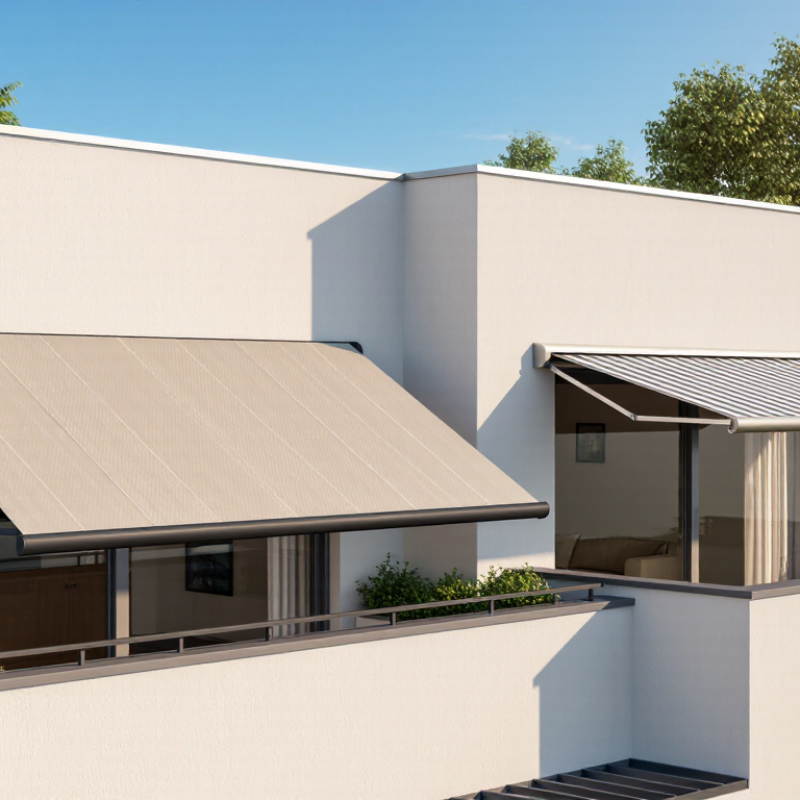
Before choosing window awnings, study how sunlight moves across your home. Note which windows receive harsh morning or afternoon light. South- and west-facing windows often need stronger shade. Check the room’s temperature at different times, not just once. A bedroom may need darkness, while a kitchen may need filtered daylight. Measure each window carefully, including the frame, wall space, and nearby doors. Small measurement errors can create poor coverage.
Think about weather exposure too. Windy upper floors may require sturdy awnings and secure installation. Homes in rainy areas need fabrics that dry quickly and resist moisture. Consider cleaning access, drainage, and whether the awning blocks your view. I once focused too much on appearance and underestimated maintenance. That was a practical mistake. Your local climate and building structure should guide the final choice.
Tips: Keep a simple sunlight diary for three days. Record glare, heat, and indoor brightness. Ask a qualified installer to inspect unusual walls or weak mounting areas. Do not rely only on product photographs. A sample fabric outside your window can look surprisingly different in real light. Leave enough clearance for shutters, screens, and window handles.
Choosing window awnings starts with the material, not the color. Solution-dyed acrylic resists fading and handles strong sunlight well. Polyester usually costs less, but its coating may wear sooner in harsh weather. Aluminum offers firm protection and needs little fabric care. However, it can look heavier beside a traditional home. Mesh fabric reduces glare while preserving outdoor views. It provides less privacy than solid fabric.
Style should match both the window and the weather. Retractable awnings give flexible shade and keep the sky visible on cooler days. Fixed awnings provide dependable cover, especially above doors or frequently used windows. Drop-screen awnings block low afternoon sunlight and improve privacy. Measure the window, wall space, and expected projection carefully. A beautiful awning can still perform poorly if it is too short.
Operating systems change daily convenience. A manual crank costs less and remains dependable during power failures. Motorized models suit wide awnings and frequent use. Add wind or sun sensors only when their settings match local conditions. One detail is easy to miss. Sensors need testing and occasional cleaning. I have seen homeowners choose automation, then rarely use it because controls feel confusing. Simple operation often matters more than impressive features. Review frame strength, fabric warranty, drainage, and installer experience before deciding. No material is perfect. Exposure, maintenance, and installation quality can change the result.
Choosing a suitable window awning begins with accurate measurements, not appearance. Before shopping, measure each window separately with a steel tape. Record the width at the top, middle, and bottom. Measure twice. Small differences can affect bracket placement and fabric coverage. Also measure the window height, the available space above it, and the distance from the wall to nearby obstacles. Handles, shutters, gutters, and outdoor lights may interfere with movement.
Identify the mounting surface before selecting an awning. Brick, concrete, timber, and cladding require different fixing methods. A loose or damaged surface may not safely support the brackets. Locate solid framing where possible, rather than relying only on thin exterior panels. Check that the window opens fully and that the awning will not block ventilation. One detail is easy to miss: drainage. The design should guide rainwater away from the wall and window frame.
Read the installation requirements carefully. They may specify minimum clearance, bracket spacing, fixing depth, and the tools needed. Use a level when marking holes, because a slight tilt can make the awning operate unevenly. Choose corrosion-resistant fasteners for exposed locations. If the wall condition is uncertain, ask a qualified installer to inspect it before drilling. I have seen measurements taken correctly but mounting strength overlooked. That mistake is expensive to correct. Allow room for adjustment, and test the window, crank, or motor movement before final tightening.
How to Choose the Best Window Awnings for Your Home
Window awnings should be judged by energy efficiency, durability, and maintenance. Energy efficiency comes first. The International Energy Agency’s Buildings report states that buildings use about 30% of global final energy. Proper shading can reduce cooling demand near the window.
The U.S. Department of Energy’s Energy Saver guidance reports that awnings may reduce summer solar heat gain by up to 65% on south-facing windows and 77% on west-facing windows. Orientation matters. West-facing glass usually receives harsh afternoon sun. Choose adjustable awnings where sunlight changes throughout the day. Fixed models can work well, but they may block useful winter warmth. That trade-off is easy to overlook.
Durability depends on the frame, fabric, drainage, and installation quality. Look for products tested under recognized building standards, including wind, water, and UV exposure. Ask for test documentation, not just attractive claims. Acrylic-coated fabrics usually resist fading better than untreated materials, but no fabric lasts forever. Maintenance should remain simple. Inspect joints and mounting points each spring. Remove leaves, rinse dust, and clean mildew early. Avoid harsh chemicals that weaken coatings. A common mistake is choosing maximum coverage without checking ventilation. Trapped heat can damage finishes and raise indoor discomfort. Measure twice. Reconsider once.
Fixed aluminum and steel awnings generally provide stronger long-term durability and consistent solar control, while retractable fabric awnings offer flexible seasonal shading. The energy-efficiency figures reflect typical summer solar-heat-gain reduction for well-positioned exterior awnings; actual performance depends on window orientation, climate, projection, color, and installation quality. Service life and cleaning frequency are representative residential estimates rather than product guarantees.
Choosing the right window awning starts with your budget and your home’s visual character. Measure each window before comparing prices. A narrow awning may look neat, but it can leave afternoon sunlight on the glass. The U.S. Department of Energy reports that awnings can reduce summer solar heat gain by up to 65% on south-facing windows and 77% on west-facing windows. These figures are useful, but real performance depends on projection, fabric openness, window direction, and local climate.
For a limited budget, fixed fabric awnings usually cost less and offer simple shade. Retractable models provide more control, especially when winter sunlight is welcome. Match the awning’s frame with existing trim, not only the wall color. Neutral fabric suits traditional homes, while a sharper edge can complement modern façades.
The National Fenestration Rating Council recommends checking solar heat gain coefficient ratings when comparing window products. An awning cannot correct poor installation.
Tips: Request two or three written estimates. Ask about wind limits, cleaning, mounting, and repair access. Choose light-colored fabric for a cooler appearance, but do not assume it always gives better protection. Darker materials may block more visible glare, depending on construction. My practical mistake was judging by a sample swatch alone; sunlight changed the color dramatically. Test a small fabric sample outdoors before ordering. Leave enough clearance for shutters, window operation, and rainwater flow. A beautiful awning that blocks maintenance becomes an expensive annoyance.