
Made in America
Get Connected With



Choosing the best Rfid Tag Card for global sourcing requires more than comparing prices. It demands practical testing, supplier verification, and a clear understanding of the final application. A card used for hotel access may need different performance from one used for employee identification or event management. Small differences matter.
Frequency, memory capacity, reading distance, surface material, and chip compatibility should match the operating environment. A warehouse may expose cards to moisture, dust, repeated handling, and temperature changes. A retail program may focus more on appearance, printing quality, and reliable batch encoding. Requesting samples is essential. Test them with the actual readers, not only with supplier specifications.
Supplier experience also deserves careful attention. Ask for production records, quality-control procedures, traceability documents, and realistic lead times. Confirm whether the factory can maintain consistent chip models across repeat orders. Global sourcing adds shipping risks, language gaps, packaging concerns, and changing compliance requirements. Responsible buyers should check applicable regional standards before placing a large order.
There is no perfect choice.
A low unit price can hide higher encoding costs, rejected cards, or delayed delivery. I have seen purchasing decisions improve after teams measured read performance at different angles and distances. Yet even field testing has limits. Usage conditions may change after deployment. This guide therefore focuses on balanced decisions, reliable evidence, and honest supplier communication. The strongest Rfid Tag Card is not always the most advanced model. It is the one that performs consistently, fits the system, and remains supportable throughout its sourcing lifecycle.
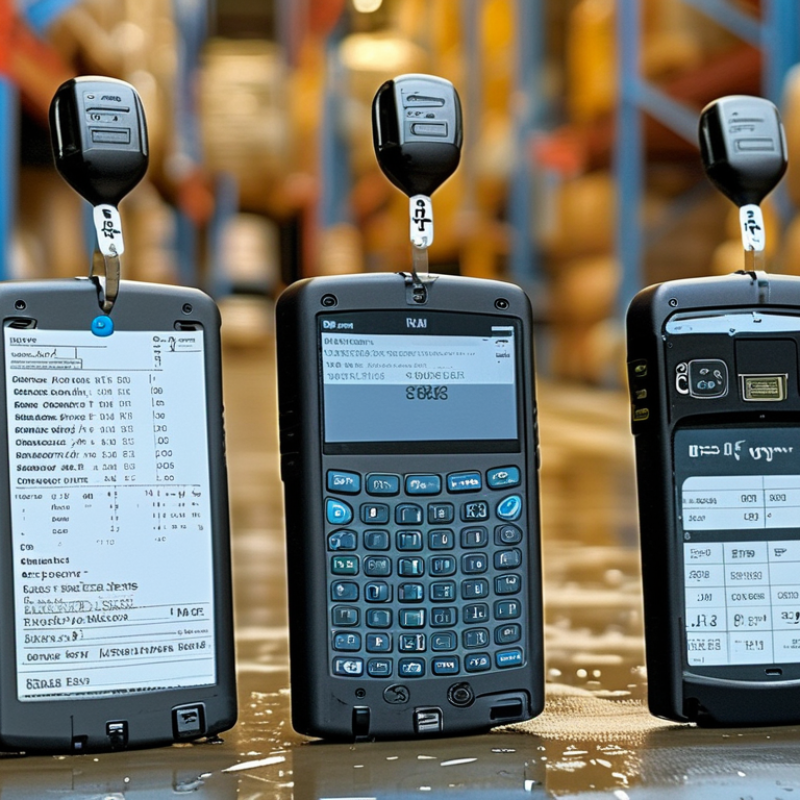
Frequency should follow the use case, not the supplier’s catalog.
LF RFID at 125 kHz offers short reading distances and strong performance near water or metal. It suits access cards, animal identification, and simple proximity applications. Data capacity and reading speed remain limited.
HF RFID at 13.56 MHz supports short-range cards, smart labels, and NFC-style interactions. It offers controlled reads, useful when several tags sit close together.
UHF RFID operates across 860–960 MHz, depending on regional requirements. It enables longer reading distances and rapid batch identification. That makes it practical for cartons, pallets, apparel, and warehouse gates.
The RAIN Alliance’s 2024 market research report recorded more than 40 billion RAIN tags shipped during 2023. This scale reflects strong demand for UHF supply-chain visibility. However, range is not guaranteed. Liquid products, dense packaging, and metal surfaces can reduce performance.
A sourcing team should test the finished card, not only the inlay. Ask for read-distance data, memory capacity, chip sensitivity, and regional frequency compliance.
ISO/IEC 18000 standards provide useful technical references, while GS1 guidance supports EPC-based supply-chain deployment.
A neat frequency chart can mislead. In real trials, a cheaper UHF card may fail beside metal shelving, while a slower HF card performs better at a controlled checkpoint. Pilot testing remains essential, and supplier claims deserve verification.
Global RFID sourcing starts with the interface, not the artwork printed on a card. ISO/IEC 14443 suits short-range identification at close distances. It supports fast exchanges near a reader, often within a few centimeters. This makes it practical for access badges, transit credentials, and controlled check-in points. During testing, hold the card at realistic angles. A perfect laboratory position can hide weak field performance. It happens.
ISO/IEC 15693 serves a different operating expectation. It generally offers longer reading distances with compatible equipment and larger item spacing. That can help libraries, logistics trays, and asset labels moving past fixed readers. However, greater range is not automatically better. Nearby cards may respond together, creating unwanted reads. Choose the standard according to distance, speed, and reader placement. Test with stacked cards, metal surfaces, wallets, and damp packaging.
Memory should match the data, not a sales sheet. A simple identifier may need only a small user-memory area. Records requiring updates need more capacity and a clear data structure. Security deserves equal attention. Use protected sectors, authentication, encryption support, and controlled key management for sensitive operational data. ISO/IEC 14443 and ISO/IEC 15693 do not offer identical security options across chip families. Verify the exact chip datasheet and certification documents. Request samples from multiple production batches. Manufacturing variation can affect antenna tuning, read distance, and print durability. Do not skip field trials. A cheaper card can become expensive when failed scans interrupt daily workflows.
When sourcing RFID tag cards globally, material choice should follow the real operating environment. PVC is economical and easy to print, while PET and polycarbonate often offer better heat and flex resistance. A perfect-looking card can still fail.
Use ISO/IEC 10373 test methods to assess card construction, bending, torsion, surface wear, and environmental resistance. These checks can reveal cracked antennas, weak bonding, or delamination after repeated handling. Test samples after printing and lamination, not only before production. That detail is often missed. ISO/IEC 10373-6 is especially relevant to contactless card performance, but buyers should confirm the applicable part with an accredited laboratory. Results should include test conditions, sample quantities, and failure limits.
IP ratings add another practical filter. Under IEC 60529, IP67 indicates dust protection and temporary immersion up to one metre for 30 minutes. It does not guarantee chemical resistance, long-term outdoor use, or reliable reading near metal. According to the RAIN Alliance 2024 industry report, approximately 52.8 billion RAIN RFID chip units were sold in 2023, showing how widely these tags are deployed. Scale does not remove material risk. A warehouse card may need abrasion resistance, while a hotel access card may face sweat, rain, and pocket bending. Specify both durability tests and reader performance after testing. One weakness remains: laboratory conditions rarely reproduce every supply-chain shock. Sampling should therefore include real-use trials, even when the specification looks complete.
Choosing an RFID tag card for global sourcing requires more than comparing unit prices. Supplier capacity should match your forecast, not just your trial order. Ask for monthly output, equipment details, staffing levels, and recent production records. A factory producing 20,000 cards monthly may struggle with a 200,000-card launch. Capacity must be proven.
MOQ affects cash flow and inventory risk. Request a pilot quantity before accepting a large minimum order. Confirm whether the supplier can separate chip encoding, printing, and packaging into controlled batches. Lead time should include material preparation, production, testing, and export packing. For example, a quoted 18-day lead time may exclude antenna shortages or artwork approval. That gap causes problems.
An AQL 1.5 quality plan gives the inspection process structure, but it does not mean zero defects. Define the inspection level, sample size, and acceptance limits before production begins. Check card dimensions, print clarity, surface scratches, antenna performance, read distance, and encoded data accuracy. Use samples from different cartons, not only the easiest carton to inspect. Keep inspection photos and test records. They support accountability.
In practice, suppliers sometimes provide attractive capacity figures without enough evidence. I would request a recent production schedule and verify it against machine hours. This takes time. It is still worthwhile. A small pilot may reveal weak adhesive bonding or inconsistent RFID readings that a spreadsheet cannot show. Human review remains necessary.
Comparison of anonymized supplier profiles by monthly capacity, minimum order quantity, and standard production lead time.
AQL 1.5 is an acceptance-sampling quality limit, not a guarantee of zero defects. Final supplier selection should also verify RFID frequency, read performance, material construction, encoding capability, traceability, and corrective-action procedures.
Choosing an RFID tag card for global sourcing requires more than comparing read distance and unit price. Compliance must be checked before production begins. EPC Gen2v2 support can provide stronger tag authentication and better data protection for controlled supply chains. However, the feature must be confirmed through technical documents and laboratory testing.
Regional UHF rules can vary by frequency range, power limits, and permitted channel use. A card performing well in one warehouse may lose reliability across another market. Ask the supplier for test results covering the destination regions. Then compare them with current requirements from local regulators. Do not rely on a generic “global” claim. It is often too vague.
Customs data also deserves close attention. The product description, material details, tariff classification, and country of origin should match the shipment records. Small inconsistencies can delay clearance or create costly questions. I have found that sample cards sometimes differ from mass production batches, so retain approved samples and record their specifications. Keep the evidence organized.
Test realistically. Use the intended reader, packaging, card orientation, and warehouse distance. Metal shelves and dense cartons can change performance. A clean bench test is not enough. Recheck firmware settings and regional configurations before shipment. Some teams overlook this step. That mistake is easy to repeat. When uncertainty remains, consult a qualified compliance professional and the relevant customs authority.