
Made in America
Get Connected With



Choosing the right belt can make daily manure removal steadier and cleaning less demanding. A Pp Poultry Manuar Belt must match the house, conveyor, and working conditions—not just the purchase price. A belt that is too thin may stretch or tear under repeated loading. One that is too wide can track poorly and rub against the frame. Small details matter.
Start by checking the conveyor’s required width, length, and belt thickness. Ask the supplier for material specifications, tensile-strength data, and guidance on operating temperature and exposure to sunlight. These details help you compare products on more than appearance. In person, inspect the surface for uneven edges, weak joints, or visible defects. A smooth, consistent finish can make manure removal easier, but it does not guarantee long service life. The drive rollers, alignment, and installation also matter.
Think about the actual poultry house. How often will the belt run? How much manure does it carry? Is routine washing part of the process? Clear answers narrow the options. Request a sample or technical sheet when possible, and confirm that the belt suits your existing equipment. Check warranty terms and replacement support, too. Price still matters. But the cheapest option may cost more if it needs frequent adjustment or early replacement. There is no perfect choice for every farm; sometimes, the best decision comes from testing a small section first.
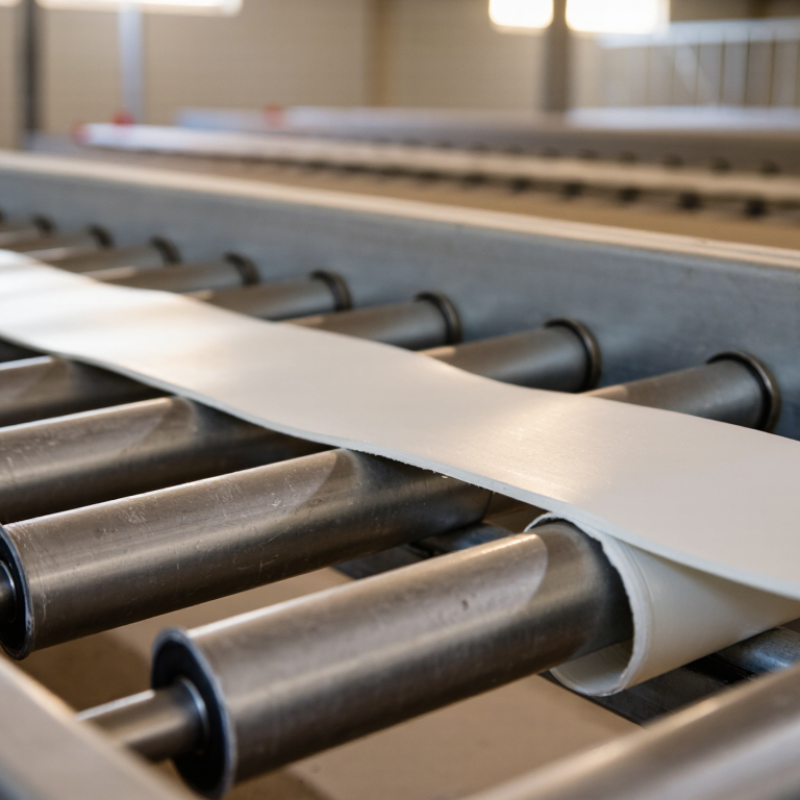
A PP poultry manure belt is a continuous polypropylene surface fitted beneath poultry cages or housing rows. It collects droppings so they can be conveyed out of the house, rather than accumulating on the floor. Depending on the setup, belts may be smooth or textured, and their width, thickness, and edge finish affect how they track and carry manure. PP resists moisture and many common farm chemicals, but it is not indestructible. It can stretch, abrade, or crack if tension and alignment are neglected.
The European Commission’s 2017 Best Available Techniques reference document for intensive poultry rearing discusses manure-belt removal and drying as management measures. It specifies at least twice-weekly removal for certain laying-hen systems with belt drying; schedules vary by system. That figure is useful context, not a guarantee of belt life or farm performance. It is not magic. In practice, operators should inspect the belt for sagging, torn edges, and manure buildup around rollers. A small misalignment can make a belt wander. The unglamorous part matters: cleaning methods, manure moisture, and maintenance routines all affect wear. A careful choice starts with the house layout and operating conditions, not material name alone.
What is a PP poultry manure belt? It is a polypropylene conveyor belt used to collect and move poultry manure from beneath cages. Use the priorities below as a practical buying checklist.
How to read this chart: Scores are a relative 1–5 selection guide, not measured product test results. Confirm belt dimensions, tensile strength, thickness, splice method, and cleaning requirements against your poultry house and the supplier’s technical data.
Measure the installed cage row before ordering. Record belt width, roller diameter, center distance, return-path clearance, and the usable space beneath each tier. A belt that is even 20 mm too wide can rub a frame; one that is too narrow may leave manure along the edges. Fit matters. The European Commission Joint Research Centre’s 2017 BAT Reference Document discusses manure-belt drying and reports dry matter levels around 50–60% under suitable operating conditions. This is a useful design clue: airflow and manure depth affect belt loading, so house conditions matter as much as the belt’s nominal size.
For thickness, 1.0–1.5 mm can serve as an initial comparison range for PP belts, not a universal specification. Heavier manure loads, long spans, frequent scraping, and rough joints may call for a more robust belt; excessive thickness can also strain rollers and tracking. Ask the supplier to confirm the belt’s tensile strength, elongation, and compatibility with the existing drive. Measure the old belt at several points, since wear can make it misleading. I have seen “standard size” assumptions cause avoidable trimming and tracking problems; checking the machine drawing is less convenient, but safer.
Weave, strength, and surface finish shape how a PP poultry manure belt performs every day. A tighter weave can limit snagging and hold its shape, while open spaces may help moisture pass through. The right balance depends on manure consistency and the house’s cleaning routine. Small details matter. Check the belt sample under bright light; uneven gaps or loose yarns can be easy to miss.
Strength is more than a high tensile rating. Belt width, operating tension, joint quality, and support spacing all affect service life. A belt that is too stiff may track poorly around rollers. One that stretches too much can sag and collect material. Ask how strength was tested, and compare the test conditions with your equipment. Real conditions vary.
Surface texture changes how manure moves and how residue clings. A smoother finish may be easier to rinse, but can offer less grip where the belt turns. A rougher surface may carry material steadily, yet leave more residue after washing. Inspect the belt after a full cleaning cycle, not just when it is new. I would not judge by appearance alone; that shortcut can be wrong.
A PP poultry manure belt must match the removal system, not just the cage width. Measure the existing belt across its full width, then check its length and thickness against equipment specifications. A belt that is slightly too wide may rub the frame; one that is too narrow can leave manure along the edges. Check the roller diameter, drive arrangement, and belt direction as well. These details are easy to overlook when replacing a worn belt in a hurry.
Check how the system handles manure. A scraper set too tightly can wear the belt, while a loose setting may leave residue behind. Damp manure can also cling differently from dry droppings, so consider the ventilation and cleaning routine. Confirm that the PP belt’s surface and thickness suit the operating conditions and support spacing. A measurement taken from a stretched or damaged belt may be misleading. When dimensions do not match neatly, pause and recheck the frame and roller alignment rather than assuming the new belt will settle into place.
FAO’s Statistical Yearbook 2023 reports that poultry accounts for roughly 40% of global meat production. That scale makes reliable manure handling a practical operating concern, not a minor equipment detail. When evaluating a PP belt, inspect the weave, edge finish, splice, and thickness across several points. Ask for tensile-strength and elongation test results, and compare them with the supplier’s stated specifications. ISO 283 describes a tensile test method for conveyor belts, though it does not set a universal pass mark for every poultry system. A thick belt can still track poorly. I have learned not to judge quality by appearance alone.
Maintenance and support matter just as much. The European Commission’s 2017 BAT conclusions for intensive poultry rearing recognize frequent manure removal and belt drying as relevant techniques for managing emissions. In daily use, check whether the belt runs straight under load, whether joints resist cracking, and whether washdown leaves residue near rollers. Ask suppliers for a maintenance schedule, compatible spare-part dimensions, and a realistic response time for breakdowns. Small details matter. Request references from farms with similar flock size and housing conditions, plus written warranty terms. A supplier’s answers should be specific; vague promises are not a service plan. I would also verify the recommended tension on-site, since installation conditions can differ from the catalogue example.
| Evaluation Area | What to Check | Good Practice or Evidence | Maintenance Consideration | Questions for the Supplier |
|---|---|---|---|---|
| Material and construction | Confirm the belt is made from polypropylene (PP) and ask about its construction, thickness, and intended application. | A written specification identifies the material and belt dimensions. Compare samples for consistent thickness, edges, and surface finish. | Keep the belt free of accumulated manure and debris that can cause abrasion or interfere with movement. | Can you provide a material specification and a sample made to the quoted construction? |
| Dimensions and fit | Check belt width, length, thickness, splice details, and compatibility with the existing conveyor and rollers. | Measurements are confirmed against the equipment drawings or a careful site measurement before production. | Inspect belt tracking and clearances after installation; incorrect alignment can contribute to edge wear or rubbing. | What measurements and installation details do you need to confirm fit? |
| Strength and load suitability | Review the stated tensile or load-related specifications and the intended operating conditions, including belt length and manure load. | The supplier provides test or specification data and explains how the belt is selected for the particular conveyor. Do not compare figures without checking test methods and units. | Avoid overloading the conveyor and check for unusual stretching, tearing, or damage around the splice. | What load and operating limits apply to this belt, and how were they tested? |
| Splice and edge quality | Examine the splice for a uniform profile and check belt edges for cuts, unevenness, or delamination. | Splice method and workmanship are documented, and the finished belt can be inspected before dispatch where practical. | Include the splice and belt edges in routine visual inspections, especially if the belt begins to track unevenly. | How is the belt joined, and what inspection or repair guidance is available? |
| Operating environment | Discuss moisture, manure characteristics, cleaning chemicals, temperature, and exposure to sunlight during storage or use. | Suitability is confirmed for the actual farm conditions rather than assumed from the material name alone. PP performance can vary with formulation and construction. | Follow the supplier's cleaning guidance and avoid unapproved chemicals or cleaning methods that could damage the belt. | Are there limits for temperature, chemicals, or cleaning procedures? |
| Tracking and tension | Check the conveyor's alignment, rollers, take-up system, and recommended belt tension. | Installation instructions specify how to set tension and correct tracking; the belt runs centrally without persistent rubbing. | Inspect tracking during operation and make adjustments according to the equipment and belt instructions. Excessive tension can increase stress on the belt and conveyor components. | Do you provide setup instructions or technical support for tracking and tensioning? |
| Routine inspection and cleaning | Look for cracks, cuts, excessive wear, loose material, buildup, and abnormal noise or movement. | A simple inspection schedule is matched to operating frequency and site conditions, with findings recorded for comparison over time. | Stop and isolate equipment according to site safety procedures before hands-on inspection or cleaning. Use tools and cleaning methods approved for the system. | Can you provide a recommended inspection and cleaning checklist? |
| Documentation and traceability | Request the product specification, installation guidance, storage recommendations, and order identification details. | Documents clearly match the quoted belt and provide enough information to support installation, inspection, and future replacement. | Keep specifications and purchase records so replacement belts can be matched to the installed system. | Which documents are supplied with the order, and how are product details identified? |
| Supplier support and warranty | Evaluate technical response, replacement availability, lead-time communication, and written warranty terms. | Support scope, warranty coverage, exclusions, and the process for reporting a defect are provided in writing. Confirm delivery estimates before ordering. | Store spare belts in a clean, dry location and follow storage instructions to reduce avoidable damage before installation. | What is covered by the warranty, and how quickly can you respond to a technical or replacement request? |
Note: Belt specifications, service life, and maintenance intervals depend on the conveyor design, operating conditions, installation, and product construction. Confirm suitability with the equipment documentation and the belt supplier.