How to Choose the Right Plumbing Fittings for Your Needs?
Choosing the right plumbing fittings is essential for any plumbing project. Whether you are a professional plumber or a DIY enthusiast, understanding plumbing fittings ensures efficiency and durability. There are various materials and styles available. Each one serves a different purpose. Choosing poorly can lead to leaks, increased costs, and frustration.
When evaluating options, consider the specific requirements of your project. For example, copper fittings offer reliability, while PVC is lightweight and cost-effective. It's also important to match the fittings with the existing pipes for a secure fit. Many people overlook this aspect, and it can lead to issues later on.
Take time to research and assess your needs carefully. Seek advice from experienced professionals for insights. Sometimes, trial and error may be necessary to find the perfect match. By making informed decisions about plumbing fittings, you can ensure a successful installation that lasts.
Understanding Various Types of Plumbing Fittings and Their Uses
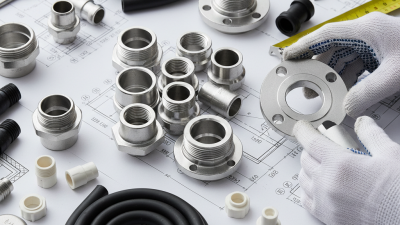
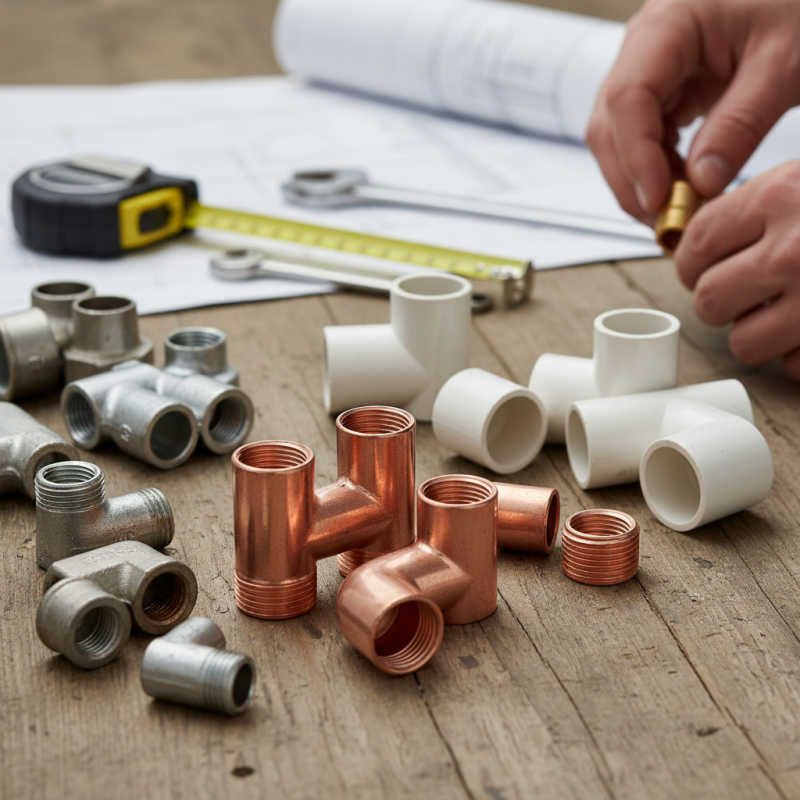
When it comes to plumbing, choosing the right fittings is essential for both functionality and efficiency. Various types of fittings serve distinct purposes. For example, elbows change the direction of pipes. They are crucial in tight spaces. Couplings connect two pipes, providing a seamless flow. They're essential in repairs and installations.
You'll also find tees, which allow for branching off a main line. They're useful in complex plumbing systems. Knowing the materials of fittings is equally important. Copper, PVC, and brass each have unique advantages. Copper is durable and resistant to corrosion. PVC is lightweight and easy to install. Brass fittings resist high pressure and temperature, making them reliable.
However, not all fittings are perfect for every situation. Sometimes, you might choose a fitting that doesn’t suit your specific needs. This can lead to leaks or other problems. It’s vital to assess your plumbing layout carefully. Consider potential challenges. Investing time in understanding fittings can save money and effort later. Make informed choices for a hassle-free plumbing experience.
How to Choose the Right Plumbing Fittings for Your Needs?
| Type of Fitting |
Material |
Use Case |
Connection Type |
| Coupling |
PVC |
Joining two pipes |
Slip |
| Elbow |
Brass |
Changing direction of pipe |
Threaded |
| Tee |
Copper |
Branching a pipe |
Soldered |
| Union |
Stainless Steel |
Connecting two dissimilar pipes |
Threaded |
| Cap |
PVC |
Sealing the end of a pipe |
Slip |
Assessing Material Quality: PVC, Copper, and PEX Considerations
When selecting plumbing fittings, material quality plays a critical role. PVC, copper, and PEX each offer distinct advantages and challenges. PVC, often seen as budget-friendly, is resistant to corrosion and easy to work with. However, it can become brittle over time, especially in extreme temperatures. A study by the Plastics Pipe Institute indicates that PVC pipes can last over 70 years under optimal conditions, but exposure to harsh elements may shorten this lifespan.
On the other hand, copper fittings are renowned for their durability and reliability. They excel in high-temperature settings and have natural antibacterial properties. According to the Copper Development Association, copper plumbing can last up to 50 years but may face issues like corrosion in acidic water. This susceptibility can lead to leaks and costly repairs, making thorough water quality testing vital for homeowners considering copper.
PEX, a newer player, offers flexibility and ease of installation. It is resistant to scale and chlorine, which benefits water quality. However, PEX can be vulnerable to UV light and may require additional protection in outdoor applications. Data from the International Association of Plumbing and Mechanical Officials show that PEX systems can last more than 40 years when properly installed. Each material has its pros and cons, making it essential to assess your specific needs before deciding.
Matching Fittings to Pipe Sizes: Importance of Accurate Measurements
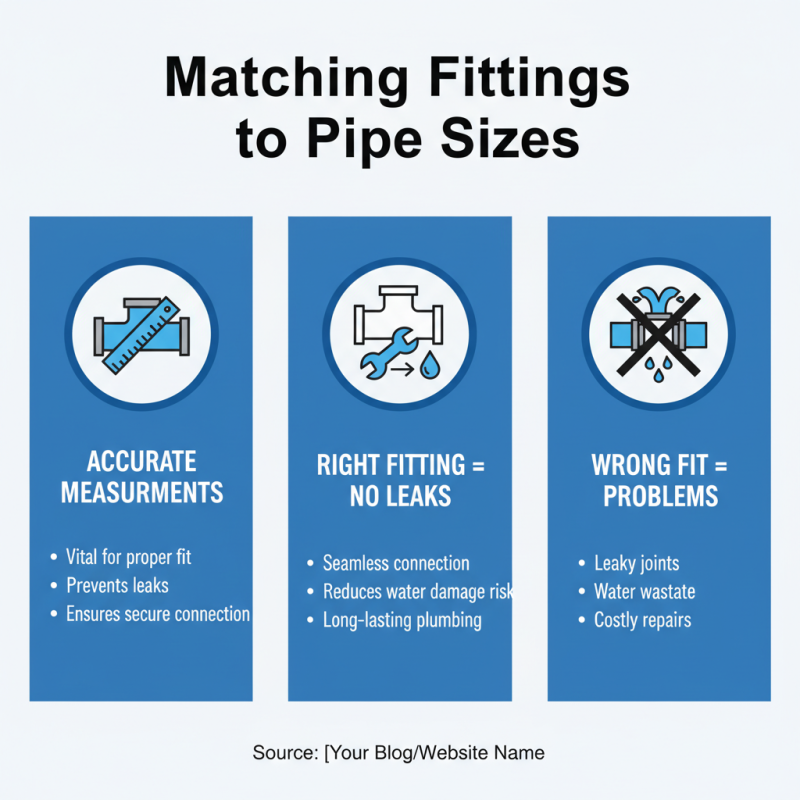
Choosing the right plumbing fittings can be daunting. One crucial aspect is matching fittings to pipe sizes. Accurate measurements are vital to ensure a leak-free connection. An improper fit can lead to leaks, which may cause significant water damage.
When measuring pipes, use a caliper for precision. Measure the diameter, but also consider the pipe’s material and thickness. A copper pipe differs from a PVC pipe. This affects how fittings interact with the pipe. Small miscalculations can create large headaches down the line. It’s easy to overlook details, but don’t let that happen.
Always double-check your measurements. If you are unsure, consult plumbing guides or professionals. Your choices today impact your future. Proper fittings save time and money. Inadequate fittings can waste resources. The goal is to embrace accuracy. It takes practice to master measuring techniques, but it pays off.
Evaluating Pressure Ratings for Fittings in Different Plumbing Systems
When choosing plumbing fittings, evaluating pressure ratings is crucial. Each plumbing system operates under specific pressure conditions. Low-pressure systems require fittings that cannot withstand high pressures, while high-pressure systems need robust fittings to prevent failures. Understanding these ratings protects your plumbing integrity.
Tips: Always match the fitting's pressure rating with your system's requirements. Check for durability and the specific materials used in the fittings. For instance, plastic fittings may have lower ratings compared to metal counterparts.
Be aware of installation challenges. Choosing a fitting that seems perfect on paper may lead to issues during installation. Poor fits can compromise seals and lead to leaks. Test various fittings before making a final decision. Remember that the right pressure rating helps avoid costly repairs.
Evaluating Pressure Ratings for Plumbing Fittings
Budget Considerations: Cost-Effectiveness of Different Fitting Types
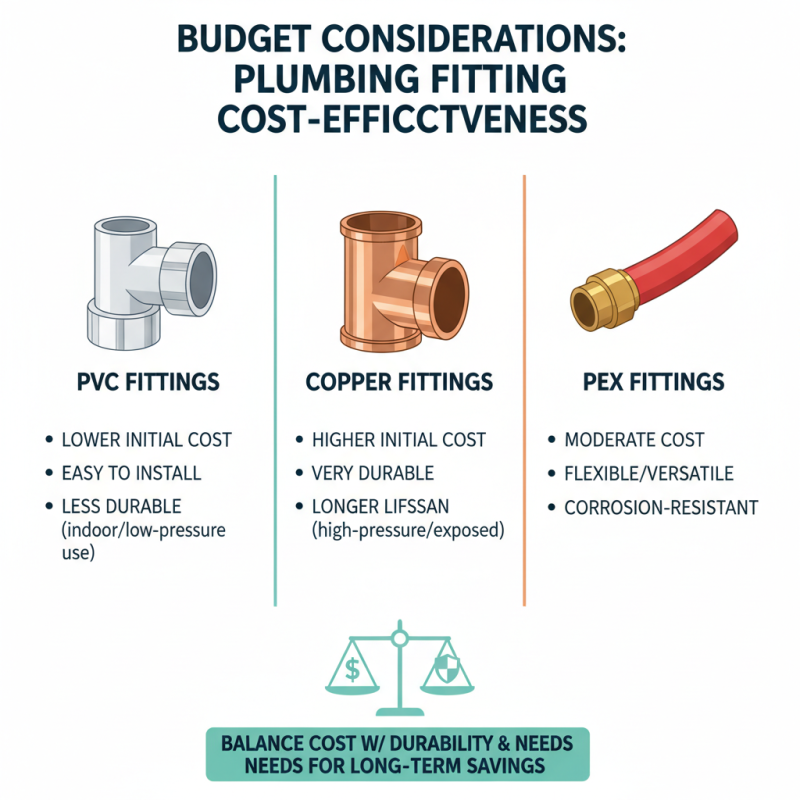
When considering plumbing fittings, budget is a significant factor. Different types of fittings come with varying costs. For instance, PVC fittings tend to be more affordable than copper options. However, the cheapest choice may not always be the best in terms of durability. Quality often relates to price, and understanding your specific needs helps balance cost with longevity.
**Tip:** Invest in a few higher-quality fittings for critical areas. They will save money in the long run by reducing leaks and maintenance. Sometimes, a low-price fitting may require replacement sooner, leading to higher overall costs.
It's essential to know what you're working with. For instance, threading and compatibility can impact both efficiency and cost. A poor fitting can lead to severe leaks, ultimately causing extensive damage. Researching materials and applications pays off. Consider how different materials affect both initial costs and future repairs.
**Tip:** Always keep a small budget for unexpected challenges. Plumbing projects rarely go precisely as planned, and having that buffer can prevent stress. Being prepared for the unexpected can make a significant difference.