How to Choose the Best WPC Fence for Your Home?
Selecting the right WPC Fence for your home may seem daunting. This decision impacts your property’s aesthetics and safety. With a variety of options available, understanding key features is essential. WPC, or Wood-Plastic Composite, offers durability and low maintenance, making it an attractive choice.
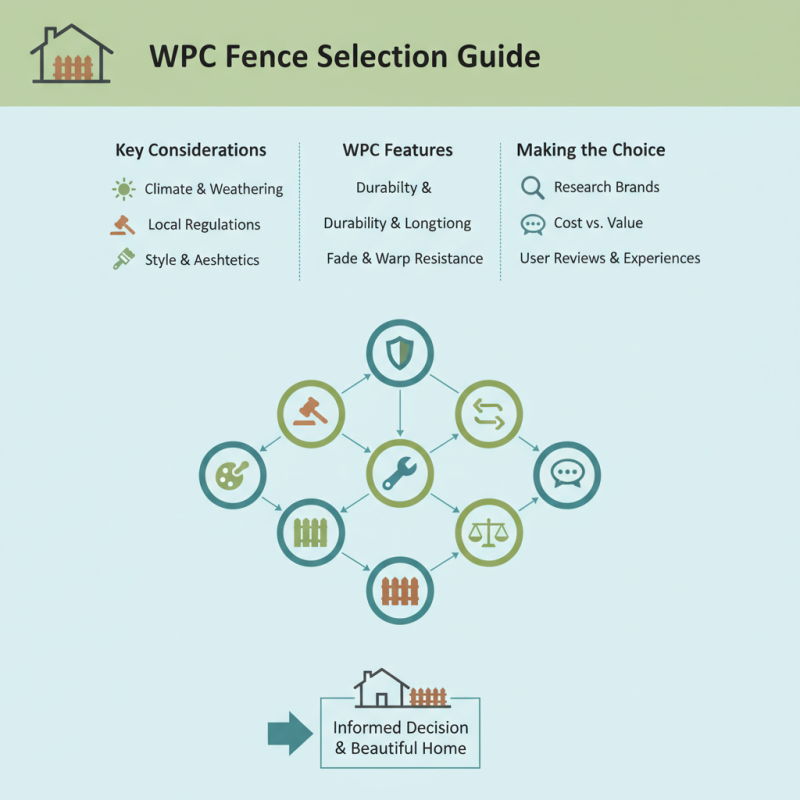
When exploring WPC Fences, consider your specific needs. Think about your climate, local regulations, and your style preferences. High-quality WPC fences can resist fading and weathering, but not all products are created equal. Some options may warp or discolor over time, raising questions about their longevity.
While WPC Fences offer numerous benefits, they may not be perfect. Some might find them pricier upfront than traditional wood or vinyl. Do thorough research to ensure you choose a reliable brand. Weigh the pros and cons based on real user experiences to make a well-informed decision.
Understanding the Basics of WPC Fencing: What is It?
WPC fencing, short for wood-plastic composite fencing, combines wood fibers and recycled plastic. This blend offers durability while maintaining a natural wood appearance. WPC fencing is resistant to rot and pests, making it a popular choice for homeowners. It’s available in various colors and styles, allowing for customization that enhances your home’s aesthetic.
When choosing WPC fencing, consider your local climate. Harsh weather can affect its longevity, so look for options designed to withstand your conditions. Check the warranty terms, as a reliable brand will offer coverage on their products.
**Tip:** Always seek samples before making a decision. This helps you visualize how the fence will look around your home.
WPC fences are relatively easy to install, but proper alignment is essential. Misalignment can lead to a less appealing finish and structural issues. Think about maintenance as well; while WPC is low-maintenance, occasional cleaning is needed to keep it looking fresh.
**Tip:** Visit homes with WPC fences to see their performance over time. This real-world perspective can guide your choice.
How to Choose the Best WPC Fence for Your Home?
| Dimension | Description | Importance |
| Material Composition | WPC is made from a blend of wood fibers and plastic. | Affects durability and maintenance needs. |
| Color Options | Available in various colors to match home aesthetics. | Enhances visual appeal and customization. |
| Height | Common heights range from 3 to 6 feet. | Determines privacy level and boundary definition. |
| Price Range | Typically between $20 to $50 per linear foot. | Influences budget and cost-effectiveness. |
| Installation Method | Can be installed as a DIY project or by professionals. | Impacts time, effort, and installation costs. |
| Warranty | Warranties typically range from 10 to 25 years. | Indicates product longevity and manufacturer confidence. |
Evaluating Your Home’s Needs: Size, Style, and Functionality
When selecting a WPC fence, evaluating your home’s specific needs is crucial. Considerations such as size, style, and functionality will greatly impact your final choice. According to a recent industry report, 70% of homeowners prioritize aesthetic appeal in their fencing solutions. This means the fence should complement your home's architecture and surrounding landscape.
The size of your fence should also meet practical requirements. A survey indicated that 65% of buyers value privacy, driving the need for taller fences in suburban areas. Think about your yard's dimensions. Your fence should provide the desired coverage, while also adhering to local regulations, which can vary. Oversized fences might require permitting, potentially complicating the installation process.
Style plays a pivotal role as well. Options range from classic picket to modern sleek designs. However, striking a balance between personal taste and neighborhood compatibility is essential. Some homeowners find themselves torn between trendy choices and timeless looks. This decision can reflect your home's value, as unique styles may not appeal to potential future buyers. Aim for a fence that serves both your immediate visual preferences and long-term investment goals.
Comparing WPC Fence Materials: Pros and Cons
When selecting WPC (Wood Plastic Composite) fencing, it's crucial to analyze the materials' upsides and downsides. WPC fences are often praised for their durability and mildew resistance. This makes them suitable for areas with harsh weather. They do not warp or split easily, which is a common issue with wood fences. However, WPC can be more expensive than traditional wood.
Another consideration is maintenance. WPC fences require less upkeep than wood, as they do not need regular staining. Yet, they can fade over time, losing their vibrant appearance. Some people criticize them for lacking the natural look of real wood.
Environmental impact is also a concern. WPC is made from recycled materials, which is positive. But, the production process can still have a carbon footprint. Choosing the right fencing involves weighing these pros and cons. Think about your priorities. A balance between aesthetics and functionality is key.
Selecting the Right Design and Color for Your Home's Aesthetic
When selecting a WPC (Wood-Plastic Composite) fence, design and color play crucial roles. A fence should complement your home’s aesthetic. Research indicates that 73% of homeowners prioritize style and color when choosing outdoor materials. This underscores the need for careful planning.
Take time to observe your home’s exterior. Is it modern, rustic, or traditional? A sleek, contemporary WPC fence may suit a modern home, while textured wood options enhance rustic styles. Don't overlook color. Earthy tones like browns and greens blend seamlessly with nature. In contrast, lighter shades can make a bold statement.
Tip: Consider samples before making a decision. Many retailers offer small panels to visualize how colors harmonize with your existing décor.
Also, think about how sunlight affects color perception. A shaded area may make colors appear darker than they are. This factor can impact your choice significantly. Embrace feedback from family or neighbors to gain different perspectives on your selections.
Tip: Use digital tools or apps for visualizing design changes. This can help you see how your fence will look against your home. A well-chosen color and design elevate your property’s overall appeal and value.
Budgeting for Your WPC Fence: Cost Estimates and Installation Tips
When budgeting for a WPC fence, it’s crucial to consider both material costs and installation fees. On average, WPC fencing ranges from $20 to $40 per linear foot, depending on the quality and design. For a typical backyard, this can add up quickly. Don't forget to account for additional materials like posts and gates. Some suppliers may offer bulk discounts that can help you save money.
Installation can vary significantly. Hiring a professional might cost you about $30 to $60 per hour, but it ensures quality work. If you prefer a DIY approach, familiarize yourself with the installation process. However, this can lead to mistakes if you're not careful. Measure your space accurately. Errors in cutting or aligning panels can lead to wasted materials and higher expenses.
Remember that unforeseen costs can arise, such as land prep or tool rentals. Having a contingency fund of around 10-15% of your total budget can be beneficial. A well-planned budget leads to fewer surprises and ensures your fencing project stays on track. Always compare quotes and seek advice from trusted sources to guide your decisions.