How to Choose the Best Agricultural Machinery Cabin Air Filter?
Choosing the right Agricultural Machinery Cabin Air Filter is crucial for maintaining a healthy environment inside your equipment. A proper filter can significantly enhance air quality and operator comfort. When in the field, farmers face dust and allergens that can impact health and productivity.
Selecting the best cabin air filter often seems daunting. With various options available, it’s essential to understand the filters' specifications and efficiency. Factors like filter type, size, and particulate removal capability matter. For example, HEPA filters are known for capturing even the smallest particles, ensuring cleaner air for operators.
However, not all filters are created equal. Some may not fit correctly or perform as expected. It’s vital to research and rely on reputable sources. Learning from user experiences can reveal shortcomings in specific brands or models. A good filter is not just an accessory; it is a necessity for a healthier work environment.
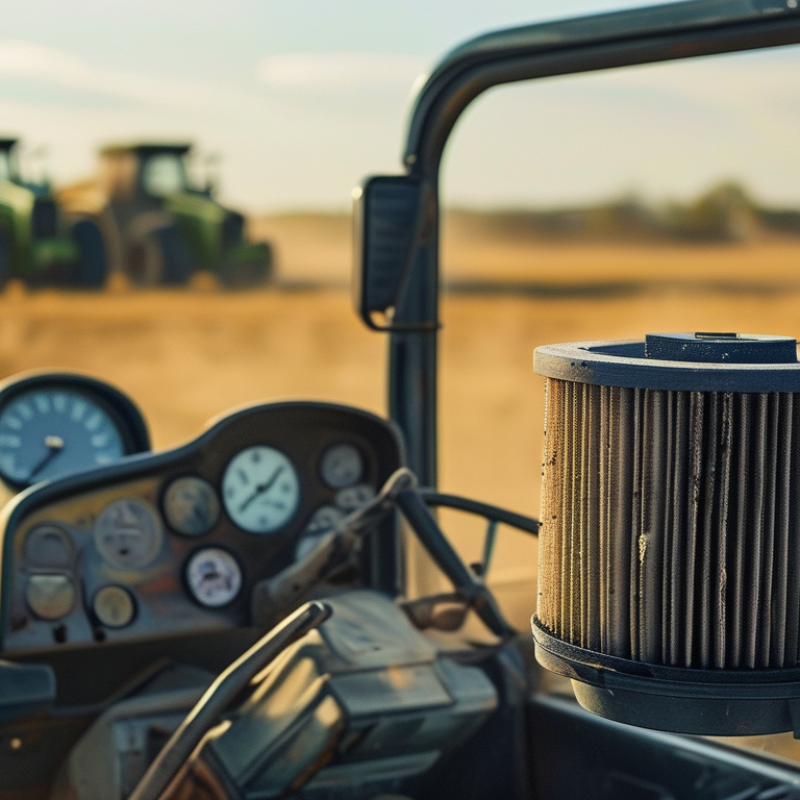
Understanding the Importance of Cabin Air Filters in Agricultural Machinery
Cabin air filters are crucial in agricultural machinery. They protect operators from dust, pollen, and harmful particles. Farmers often spend long hours in cabs. Clean air can enhance comfort and productivity.
Studies show that a good cabin air filter can reduce airborne particulate matter by over 90%. This decrease can lower respiratory issues among operators. Yet, many operators overlook filter maintenance. Neglecting this can lead to poor air quality. Operators may face fatigue and decreased focus, impacting safety.
Filters should be replaced regularly. Even minor leaks can let in contaminants. Research indicates that replacing filters every 200 hours of operation can maintain air quality. Be mindful of the filter's condition while working in different environments. Extreme dust or chemical exposure can require more frequent changes. Understanding these factors is vital for optimal performance and health.
Importance of Cabin Air Filters in Agricultural Machinery
Types of Air Filters Commonly Used in Agricultural Equipment
When discussing air filters in agricultural machinery, several types emerge as common in the industry. Each type serves a unique purpose and affects performance. The most prevalent types include particulate filters, carbon filters, and HEPA filters. Particulate filters capture dust and debris, providing a clear view and maintaining both air quality and engine efficiency.
Data from industry studies indicate that around 30% of equipment failures are linked to poor air filtration. This suggests that neglecting air filter maintenance could lead to costly downtimes. In contrast, using HEPA filters for high-end equipment ensures the capture of finer particulate matter. These filters can remove up to 99.97% of airborne particles, according to recent reports. This high filtration efficiency significantly enhances operator comfort and reduces respiratory risks.
However, not all filters are created equal. Selecting the right type requires understanding the specific operating conditions. For instance, machines operating in heavily dust-laden fields may need frequent filter replacements. Relying solely on the manufacturer's recommendations might overlook the unique challenges faced on different farms. Reflection on these factors leads to better decision-making in filter choice.
Key Factors to Consider When Choosing a Cabin Air Filter
Selecting the right cabin air filter for agricultural machinery is crucial. A good filter protects operators from harmful particles. Dust, pollen, and exhaust fumes can compromise air quality. Industry reports suggest that up to 30% of workers experience respiratory issues linked to poor air quality in agricultural settings.
One key factor to consider is filter efficiency. Look for filters with a Minimum Efficiency Reporting Value (MERV) rating. A higher MERV rating generally indicates better filtration of smaller particles. Studies show that filters with MERV ratings above 13 can capture up to 95% of allergens and particulate matter, significantly improving air quality.
Another important aspect is the filter's durability. A filter made of high-quality materials lasts longer and performs better. Regular maintenance and replacement schedules are vital. Failing to replace a worn filter can lead to decreased airflow and increased machine strain. Inconsistent performance can diminish operational efficiency, ultimately impacting productivity and costs. Make informed choices for better outcomes.
How to Assess the Quality and Performance of Air Filters
Choosing the right agricultural machinery cabin air filter is crucial for maintaining a healthy working environment. Assessing air filter quality starts with understanding the filtration efficiency. Studies indicate that filters with a Minimum Efficiency Reporting Value (MERV) rating of 13 or higher can capture 90% of airborne particles. This includes dust, pollen, and mold spores, significantly enhancing air quality.
When evaluating performance, consider the service life of the air filter. Reports show that high-quality filters should last between 500 to 1,000 hours of operation. However, factors such as environment and usage often affect this lifespan. Regularly checking and replacing filters ensures optimal air quality and machine performance.
Tips: Always inspect filters for visible dirt or damage. Dirty filters can increase strain on machinery and reduce efficiency. Consider alternating between multiple filters in different environments to assess which offers the best performance. Remember that a good air filter limits exposure to harmful contaminants. Prioritizing air quality protects both operators and machinery, reflecting a commitment to safety and efficiency in agriculture.
Maintenance Tips for Extending the Life of Agricultural Machinery Filters
Maintaining agricultural machinery filters is crucial for optimal performance. Regular checks can catch wear and tear before they become serious issues. Ensure you check the filter regularly, especially during peak working seasons. Dust and debris can clog filters, reducing airflow. Cleaning or replacing the filter can improve efficiency and prolong the lifespan of the equipment.
Consider conducting maintenance every few weeks. During this time, inspect the filter for dirt buildup. A simple cleaning routine can go a long way. Use a gentle air compressor to blow out loose particles, but be cautious not to damage the filter material. If the filter is heavily soiled or damaged, replacement is often the better option.
Don’t overlook the manufacturer’s recommendations. They provide valuable insights into filter life expectancy. Ignoring these tips can lead to costly repairs or replacements down the line. Stay vigilant for changes in machinery performance. If you notice unusual sounds or airflow, it could indicate a filter issue, prompting further inspection.