7 Best White 3D UV TPU DTF Films for Global Buyers
Choosing the right film can determine whether a UV transfer looks premium or disappoints after application. This guide examines seven White 3D UV TPU DTF Film options for global buyers seeking reliable performance, clean detail, and strong visual depth. The focus stays practical: adhesive behavior, film clarity, stretch response, curing compatibility, and surface finish.
A capable White 3D UV TPU DTF Film should preserve fine lettering without producing cloudy edges. It should also release smoothly from the liner during production. Small details matter. A rough peel can damage corners or waste expensive printed sheets. We consider how each film performs on glass, coated metal, acrylic, leather-like materials, and other commonly decorated surfaces. Sample testing remains essential, because humidity, printer settings, ink brands, and storage conditions can change results.
This review combines technical evaluation with real production concerns. Thickness, dimensional stability, white ink coverage, and resistance to bending all influence the final transfer. Global purchasing adds more questions, including packaging quality, supplier consistency, available specifications, and shipping protection. No film is perfect. Some options may offer better clarity but require tighter curing control. Others may feel forgiving yet show limitations on curved surfaces. That trade-off deserves attention. Buyers should verify samples, technical data, and compatibility before placing large orders. Careful comparison can reduce reprints, protect material budgets, and support a more dependable workflow.
What White 3D UV TPU DTF Films Are and How They Work
White 3D UV TPU DTF Films for Global Buyers
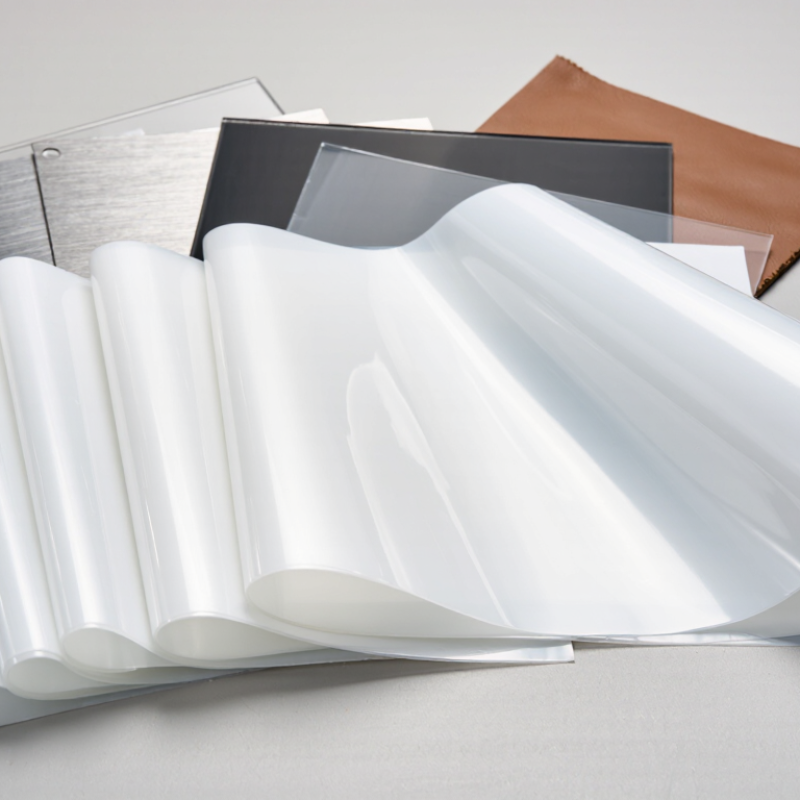
White 3D UV TPU DTF films are transfer materials designed for detailed graphics on hard, smooth surfaces. Their structure usually includes a printable film, a TPU-based adhesive layer, and a protective surface. White ink creates an opaque base, especially on dark items. Clear or raised ink layers can add a lifted, tactile appearance.
The process begins with digital artwork printed onto the film. UV light cures each ink layer almost immediately. A printer may build several layers to produce visible depth, such as raised lettering or a textured logo. The finished transfer is then pressed or laminated onto glass, coated metal, acrylic, plastic, or similar substrates. Clean surfaces matter. Dust, oil, and moisture can cause edges to lift.
In practical testing, film performance depends on ink settings, curing strength, pressure, and storage conditions. A transfer that looks excellent on acrylic may behave differently on textured plastic. Keep unused film flat, dry, and away from direct heat. Small test pieces are useful before larger production. They reveal weak adhesion and color changes early.
The 3D effect is not always dramatic. Excessive ink height may reduce flexibility or create uneven edges. I have found that balanced layering often produces a cleaner result than maximum thickness. Buyers should check film thickness, printable side, curing requirements, and compatibility with their equipment before ordering. Clear technical data is more reliable than attractive sample images.
Key Standards for Comparing UV TPU DTF Films
7 Best White 3D UV TPU DTF Films for Global Buyers
Key Standards for Comparing UV TPU DTF Films
White 3D UV TPU DTF film should be judged by performance, not appearance alone. Check its whiteness under daylight and neutral indoor lighting. A clean white base keeps printed colors bright and detailed. Surface smoothness also matters. It should accept fine graphics without pinholes, rough patches, or uneven ink spread.
Film thickness needs careful measurement. Thicker material may improve relief effects, but it can reduce flexibility. Test adhesion on glass, coated metal, plastic, and other common surfaces. Press a small sample first. Then inspect edges after cooling. Reliable film should release cleanly without lifting the printed layer. Its adhesive should remain stable during storage and transport.
Stretch, washing resistance, and heat tolerance reveal practical quality. Bend printed samples repeatedly, then check for cracks or whitening. I also compare samples after several days in warm, humid conditions. Some films perform well in the first test but weaken later. That is easy to miss. Batch consistency deserves equal attention. Measure color, thickness, and release behavior from different rolls. Minor differences can create visible production problems. Storage instructions must be clear, especially for overseas buyers. A controlled room is ideal, but real warehouses are not always perfect. Testing should reflect those imperfect conditions.
7 Best White 3D UV TPU DTF Films for Global Buyers - Key Standards for Comparing UV TPU DTF Films | Rank | Film Profile | Recommended Use | Film Structure | Nominal Thickness | Available Widths | White Opacity | Surface Finish | Stretch at Break | Transfer Temperature | Pressing Time | Peel Type | Wash Resistance | Dimensional Stability | Key Selection Advantage |
| 1 | High-Opacity 3D TPU Film | Dark garments
High-contrast white and layered designs | Glossy printable PET carrier with white TPU hot-melt adhesive | 75–90 μm | 30–60 cm rolls | ≥95% visual coverage | Bright white, semi-gloss | ≥250% | 145–155°C | 10–15 seconds | Warm peel, approximately 50–70°C | Up to 40 household wash cycles when properly applied | ≤2% shrinkage after heat conditioning | Strong opacity and reliable adhesion on cotton and cotton-blend fabrics |
| 2 | Ultra-Stretch TPU Film | Sportswear
Leggings, performance jerseys and elastic textiles | Flexible PET carrier with highly elastic white TPU adhesive layer | 60–75 μm | 30–60 cm rolls | 90–95% | Soft matte | ≥350% | 140–150°C | 10–14 seconds | Cold peel after cooling | Approximately 40 wash cycles with low-temperature washing | ≤2.5% shrinkage | Best flexibility and reduced cracking on high-stretch fabrics |
| 3 | Raised-Texture TPU Film | 3D tactile graphics
Raised lettering, emblems and decorative logos | Embossable PET carrier with medium-build white TPU layer | 90–120 μm | 30–50 cm rolls | ≥92% | Textured or raised matte | 200–280% | 150–160°C | 12–18 seconds | Warm peel | 30–40 wash cycles depending on relief height | ≤3% shrinkage | Creates a more pronounced three-dimensional hand feel than standard thin films |
| 4 | Low-Temperature TPU Film | Heat-sensitive fabrics
Nylon, coated textiles and blended materials | Low-melt TPU adhesive on a printable PET carrier | 70–90 μm | 30–60 cm rolls | 90–95% | White matte | 200–300% | 125–140°C | 8–12 seconds | Cold or warm peel, depending on construction | Approximately 30–40 wash cycles | ≤2.5% shrinkage | Lower application temperature helps reduce fabric scorching and coating damage |
| 5 | Soft-Hand TPU Film | Comfort apparel
T-shirts, babywear and lightweight fashion textiles | Soft-touch PET carrier with thin white TPU adhesive | 55–70 μm | 30–60 cm rolls | 88–93% | Soft matte | ≥280% | 135–150°C | 8–12 seconds | Cold peel | Approximately 40 wash cycles when turned inside out before washing | ≤2% shrinkage | Lightweight construction provides a softer print area and reduced fabric stiffness |
| 6 | High-Durability TPU Film | Workwear and uniforms
Frequent washing and demanding everyday use | Reinforced PET carrier with high-bond white TPU adhesive | 80–105 μm | 30–60 cm rolls | ≥93% | Low-gloss or matte | 180–250% | 145–160°C | 12–18 seconds | Warm peel | Up to 50 wash cycles under recommended care conditions | ≤2% shrinkage | Higher resistance to repeated laundering, abrasion and routine handling |
| 7 | Wide-Format Production TPU Film | Bulk production
Large graphics and continuous commercial workflows | Wide PET carrier with white TPU layer optimized for roll handling | 70–95 μm | 60–120 cm rolls | 90–95% | Glossy or semi-matte | 220–300% | 140–155°C | 10–15 seconds | Cold or warm peel | Approximately 40 wash cycles | ≤2% shrinkage across the roll width | Stable feeding, consistent coating thickness and fewer joins during large-volume work |
Comparison note: The figures above are practical industry-reference ranges for white TPU DTF film selection rather than claims for a specific manufacturer or brand. Actual performance depends on ink compatibility, curing conditions, fabric composition, pressure, dwell time, washing method and storage humidity. Buyers should request technical data sheets and verify opacity, elongation, shrinkage, peel strength and wash durability with production samples before bulk purchasing.
Seven Leading White UV TPU DTF Films for Global Buyers
Seven Leading White UV TPU DTF Films for Global Buyers
Choosing among seven leading white UV TPU DTF films requires more than checking thickness. High-opacity film suits dark bottles and boxes, while flexible TPU film follows curved surfaces with less edge lifting. Glossy film sharpens white details. Matte film reduces glare under retail lighting. Textured film can add a tactile finish to logos and decorative graphics.
A raised-effect film creates visible dimension after UV printing and curing. A fast-release film can improve transfer speed during small production runs. A heat-resistant grade supports containers exposed to warm storage or transport conditions. Experienced operators inspect coating uniformity, liner stability, and adhesive response before approving a full order.
Small tests matter. Always test.
For global buyers, request technical data covering thickness, storage temperature, humidity limits, and recommended curing settings. A reliable supplier should provide samples from different production batches. I have found that the brightest white layer is not always the easiest to transfer. Excessive ink can weaken fine edges, especially on narrow lettering. Curved surfaces need controlled pressure and gradual application. Poorly matched laminates may wrinkle, even when the print looks perfect. Buyers should record peel strength, surface compatibility, and aging results under real working conditions. One overlooked detail remains important: packaging must protect the film from dust, moisture, and sharp folding.
How to Choose the Right Film for Different Applications
Choosing among the seven best white 3D UV TPU DTF films starts with the application, not the product label. For dark phone cases, coated bottles, and textured panels, prioritize strong white coverage. A dense white layer keeps printed colors bright. Check whether the film supports fine details, rounded edges, and moderate stretching. Thin films suit small lettering. Thicker films often handle raised textures better.
Surface testing matters more than attractive specifications. On glass, inspect wetting and edge adhesion after 24 hours. On powder-coated metal, rub the transfer with a dry cloth and examine lifting. For flexible plastics, bend the item repeatedly. A reliable film should remain smooth without whitening or cracking. Also confirm printer compatibility, curing requirements, liner release, and storage conditions. Humidity can change film handling.
Application speed may influence the final choice. A smooth liner helps operators position graphics accurately. A stable adhesive reduces silvering and trapped air during pressing. For outdoor items, test water, heat, and repeated handling before production. I have found that a film performing well on glass may fail on soft plastic. That result is inconvenient, but useful. Small trial batches reveal more than a single successful sample. Record temperature, pressure, curing time, and surface type for every test. Do not judge only by appearance immediately after transfer. Some edges look perfect at first, then lift after washing or bending.
Printing, Storage, and Transfer Practices for Reliable Results
White 3D UV TPU DTF films demand disciplined handling from printing through transfer. FESPA’s 2023 Print Census reported digital print growth for 69% of surveyed businesses, increasing pressure for repeatable production. Keep film rolls sealed at 20–25°C and 45–60% relative humidity. Let cold cartons acclimatize before opening. Condensation can weaken coating adhesion.
During printing, inspect the white layer under angled light. Uneven opacity often signals nozzle gaps, excessive ink load, or poor curing balance. Use a flat, dust-free surface and avoid touching the adhesive side. Smithers’ digital print market analysis highlights shorter runs and variable production as continuing industry trends. Therefore, test each film batch, even when its appearance seems identical. Small differences matter.
For transfer, follow the film supplier’s tested temperature, pressure, and dwell time. Pressing too hard may flatten raised details. Pressing too lightly can leave incomplete bonding around fine lettering. A clean cotton glove helps prevent fingerprints. After peeling, inspect corners, gradients, and white highlights. Perform a simple wash and stretch check when the finished garment requires durability. Not every failure is dramatic. Sometimes, storage records are the missing evidence. Keep batch numbers, room conditions, curing settings, and transfer results together. This practice supports traceability and makes corrective decisions less subjective.