Made in America
Get Connected With



Hi-Vis Safety Jackets are no longer simple fluorescent garments. They are critical visibility equipment for road crews, warehouse teams, construction workers, and emergency personnel operating near moving vehicles. The International Labour Organization estimated 2.93 million work-related deaths and 395 million nonfatal injuries globally in its 2023 workplace safety report. These figures make visibility a practical risk-control issue, not merely a purchasing preference.
China has become a major sourcing base for global buyers. Its manufacturers offer polyester shells, breathable mesh, waterproof coatings, segmented reflective tape, and custom branding at competitive volumes. However, product quality can vary sharply between factories. A bright yellow jacket is not automatically a compliant jacket. Buyers should examine fabric weight, tape performance, seam sealing, colorfastness, zipper strength, and test documentation. Small details matter.
Relevant standards include EN ISO 20471 for high-visibility clothing and ANSI/ISEA 107 for the United States. Requirements differ by market, application, and risk level. Professional suppliers should provide traceable laboratory reports, production samples, inspection records, and clear fiber-content information. Reports from MarketsandMarkets and Grand View Research continue to identify workplace safety apparel as a growing industrial category, driven by infrastructure investment and stricter safety expectations. Still, market growth does not guarantee responsible manufacturing. A thoughtful buyer should verify claims independently, because certificates can be outdated, incomplete, or misunderstood. That extra check may feel slow. It often prevents costly returns, unsafe deployment, and reputational damage.
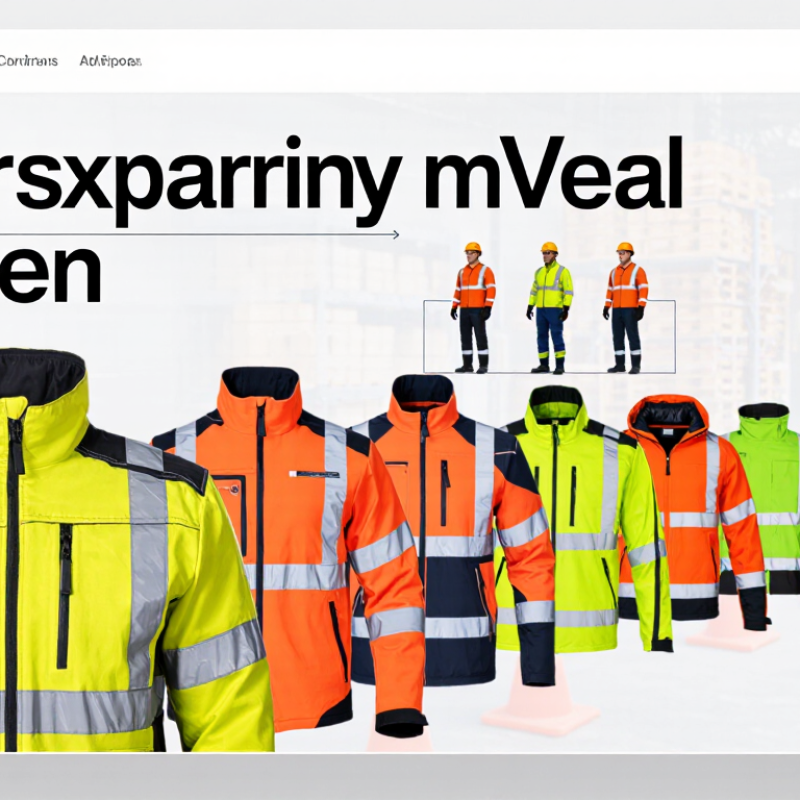
A high-visibility safety jacket is more than a bright yellow or orange shell. It must help workers remain visible in daylight, low light, rain, and dusty conditions. Fluorescent fabric supports daytime visibility, while reflective bands return light from vehicle lamps. The contrast between fabric and tape also matters. Poor contrast can reduce recognition near roads or construction equipment.
Practical design affects safety every minute. A reliable jacket should fit over workwear without restricting movement. Adjustable cuffs, a covered zipper, and a firm collar can reduce wind and water entry. Breathable fabric helps prevent sweat buildup during long shifts. However, breathability is often overstated. A jacket may feel comfortable in a warehouse but become heavy in humid outdoor work. Buyers should test garments in realistic conditions, not rely only on product descriptions.
For global workplaces, purchasers should review the applicable visibility standard for each destination. They should check certification documents, fabric composition, tape performance, seam quality, and wash durability. Sample testing is valuable. Inspect the tape after repeated washing and bending. Ask for consistent production records from the manufacturer. Small details matter, such as tape placement around the torso and sleeves. A jacket can use approved materials yet perform poorly if its pattern is badly designed. China offers broad manufacturing capability, but quality still depends on clear specifications, independent checks, and honest communication about limitations.
Best Hi Vis Safety Jackets from China for Global Buyers
Material selection determines how a high-visibility jacket performs in real work conditions. Polyester fabric offers strong color retention, abrasion resistance, and manageable weight. Mesh panels can improve airflow during hot shifts. However, open mesh may reduce protection against wind and rain. For wet environments, buyers should examine PU-coated fabric, sealed seams, and water-resistant zippers. Reflective tape must remain flexible after repeated washing. Cheap tape often cracks or loses brightness too early.
Safety standards require careful verification. EN ISO 20471, ANSI/ISEA 107, and AS/NZS 4602.1 use different classifications and testing methods. A supplier should provide current test reports, material specifications, and production records. Do not rely on a printed certificate alone. An independent laboratory can check chromaticity, retroreflection, dimensional stability, and colorfastness. Requirements vary by market.
Performance details matter during daily use. Reinforced shoulder seams help workers carrying tools or equipment. Adjustable cuffs reduce wind entry. A longer back panel can protect clothing when bending. Breathability still needs practical testing, not only catalog figures. I have found that a jacket may pass initial inspection yet feel uncomfortable after several hours. Buyers should test samples in heat, rain, and repeated washing. Stitching, pocket strength, and zipper operation deserve close attention. Small defects become expensive when they appear across a large shipment.
| Product Type | Common Shell Material | Typical Weight | Visibility Construction | Suitable Working Conditions | Relevant Standards | Key Performance Features |
|---|---|---|---|---|---|---|
| High-Visibility Mesh Vest | 100% polyester warp-knit mesh | Approximately 90–160 g/m² fabric weight | Fluorescent yellow or orange background with reflective bands, commonly 50 mm wide | Indoor work, road maintenance, logistics, warehouses, and warm climates | EN ISO 20471; ANSI/ISEA 107 | Lightweight, breathable, quick drying, compact for storage, and easy to layer over clothing |
| Water-Resistant Hi-Vis Jacket | Polyester woven fabric with polyurethane coating | Approximately 120–220 g/m² fabric weight | Fluorescent outer fabric with segmented or continuous retroreflective tape | Light rain, construction sites, transport operations, and outdoor inspections | EN ISO 20471; EN 343; ANSI/ISEA 107 | Water-repellent finish, adjustable cuffs, storm flap, hood options, and improved wind resistance |
| PU-Coated Rain Safety Jacket | Polyester pongee or oxford fabric with PU coating | Approximately 160–280 g/m² fabric weight | Reflective bands around the torso, sleeves, and shoulders for 360-degree visibility | Frequent rain, roadwork, utilities, delivery operations, and exposed outdoor work | EN ISO 20471; EN 343; ISO 13688 | Enhanced water resistance, wind protection, taped or protected seams, and durable outer construction |
| Insulated Hi-Vis Winter Jacket | Polyester outer shell with polyester wadding or synthetic insulation | Approximately 240–450 g/m² total garment weight | High-visibility fabric with reflective tape positioned on the body, sleeves, and shoulders | Cold warehouses, winter construction, roadside work, and outdoor logistics | EN ISO 20471; EN 343; ISO 13688; ANSI/ISEA 107 where applicable | Thermal insulation, wind resistance, detachable hood options, knitted cuffs, and multiple storage pockets |
| Softshell Hi-Vis Jacket | Three-layer polyester softshell with breathable membrane | Approximately 250–380 g/m² fabric weight | Fluorescent panels combined with reflective piping or segmented tape | Variable weather, site supervision, transport, facility maintenance, and field services | EN ISO 20471; ISO 13688; EN 343 if tested for rain protection | Stretch comfort, wind resistance, moderate breathability, abrasion resistance, and athletic fit |
| Flame-Resistant Hi-Vis Jacket | Inherently flame-resistant aramid, modacrylic, or treated cotton blend | Approximately 180–320 g/m² fabric weight | Flame-resistant fluorescent fabric and flame-resistant reflective tape | Electrical utilities, welding areas, petrochemical operations, and industrial maintenance | EN ISO 20471; ISO 11612; IEC 61482-2 or NFPA 70E where specified | Limited flame spread, heat protection, anti-static options, reinforced seams, and reduced ignition risk |
| Multi-Norm Hi-Vis Work Jacket | Polyester-cotton blend or technical protective fabric | Approximately 200–360 g/m² fabric weight | 360-degree reflective configuration with compliant fluorescent background material | Construction, infrastructure, utilities, industrial service, and high-traffic work zones | EN ISO 20471; ISO 13688; additional standards depend on the certified design | Balanced visibility, durability, weather protection, ergonomic movement, and compatibility with layered PPE |
Evaluating a Chinese hi vis jacket manufacturer requires more than comparing prices. Check production experience, export records, and documented quality procedures. Ask for factory photographs, audit reports, and recent test certificates. Confirm whether testing covers the exact fabric, reflective tape, and jacket design you will order.
Start with material control. Request fabric weight, colorfastness results, tear strength, and seam performance. Examine reflective tape after repeated washing. It should remain firmly attached and visibly bright. Ask which standards apply to your market, such as EN ISO 20471 or ANSI/ISEA 107. Certificates should be traceable and issued for the actual product, not a similar sample.
Inspect a pre-production sample carefully. Check zipper movement, pocket stitching, hood adjustment, and ventilation panels. Measure the jacket against an approved size chart. A polished showroom can mislead. Small sewing defects often appear during bulk production. Require an inspection plan with sampling levels, defect limits, and shipment records. Independent inspections add useful evidence, especially for new suppliers.
Communication also reveals manufacturing discipline. Reliable teams answer technical questions clearly and explain limitations. Be cautious when every request receives an immediate “yes.” No audit predicts every shipment. Keep written specifications, approve a sealed reference sample, and review the first production batch closely. A cheaper quote may hide weaker tape, inconsistent sizing, or rushed final inspection.
Buying high-visibility safety jackets from China requires more than comparing unit prices. Customization should begin with the wearer’s task, climate, and movement needs. Buyers can specify fluorescent fabric, reflective tape width, pocket placement, hood design, lining, and sizing. A clear tech pack reduces misunderstandings. It should include fabric composition, color references, seam details, tolerance limits, and labeling requirements.
Quality control works best through several checkpoints. Inspect fabric rolls before cutting, then review stitching, zipper function, tape alignment, and finished measurements. A useful factory check includes light reflection testing, color assessment, wash trials, and seam-strength sampling. Ask for batch records and test reports from competent laboratories. Small details matter. A twisted tape strip can reduce visibility during night work. Loose threads may also reveal weak production control. The first sample may look excellent, yet later batches can vary. That risk deserves honest discussion.
Compliance checks must match the destination market and the jacket’s intended use. Depending on the market, buyers may need evidence related to EN ISO 20471, ANSI/ISEA 107, or other applicable requirements. Do not accept a certificate without checking its scope, product model, test date, and issuing laboratory. Labels, user instructions, fiber content, and care symbols should also be reviewed before shipment. Some suppliers provide incomplete paperwork. That is a warning, not a minor inconvenience. Independent pre-shipment inspection can confirm carton quantities, workmanship, packaging, and documentation, although it cannot replace proper product testing.
For global buyers, sourcing high-visibility safety jackets from China requires more than comparing catalog prices. Start with the intended work environment, climate, and visibility level. Ask factories for fabric weight, reflective tape width, seam construction, size charts, and available test reports. A warehouse jacket may differ greatly from one used on wet roads or construction sites. Request a sample before confirming bulk production. Details matter.
Pricing usually depends on fabric, reflective materials, insulation, customization, order quantity, and packaging. A low unit price can hide expensive sampling, mold, labeling, or inspection fees. Ask for a complete quotation with FOB, CIF, or delivered pricing clearly separated. Confirm the minimum order quantity and production schedule in writing. I have found that rushed negotiations often create small errors in size grading or carton labels. Those errors are avoidable, but not always.
Tips: Compare at least three suppliers using the same specification sheet. Photograph the sample under daylight and low light. Check zipper movement, tape adhesion, pocket strength, and washing performance. For shipping, calculate carton dimensions before booking freight. Sea transport is economical for larger orders, while air freight suits urgent samples or small quantities. Allow buffer time for port congestion, customs processing, and factory delays. A two-week estimate can become four. Planning should be practical, not optimistic.