
Made in America

Get Connected With

JointsCouplings.com White Logo

Opening Hours M-F: 07:00 AM to 4:00 PM (PST)

7 Bucket Tooth Buying Tips for Global Buyers

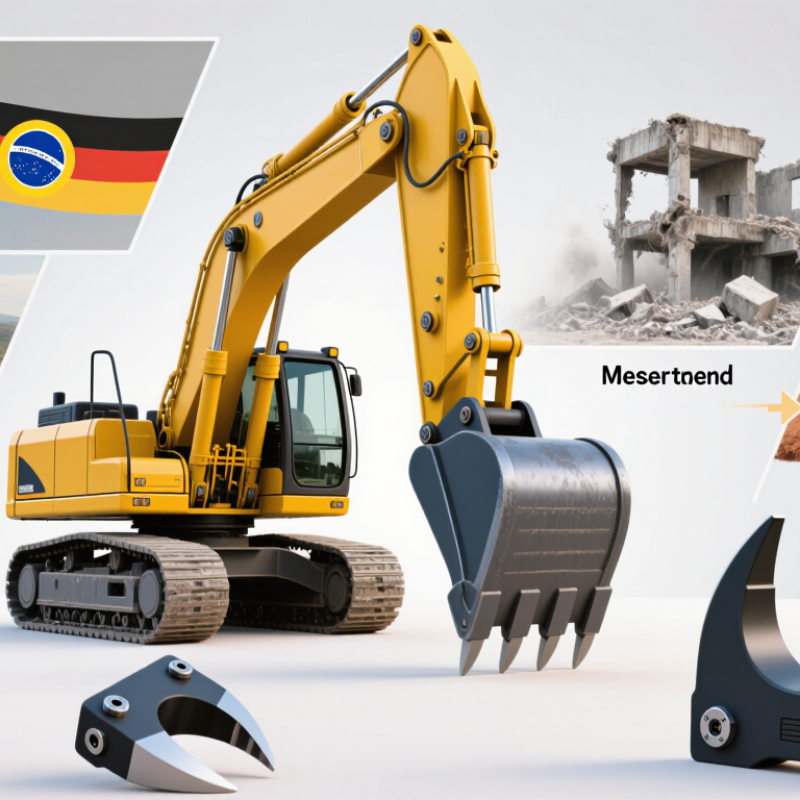
Excavators may look similar across borders, but their bucket wear conditions rarely match. A quarry in Brazil, a demolition site in Germany, and a clay project in Indonesia can destroy the same tooth differently. That is why selecting a Bucket Tooth requires more than comparing unit prices.

Industry data supports this concern. Grand View Research valued the global construction equipment market at approximately USD 207 billion in 2022 and expects continued growth through 2030. Off-Highway Research also tracks strong demand for excavators across infrastructure, mining, and construction markets. More machines mean more replacement parts, but not necessarily better purchasing decisions. The wrong tooth profile can increase fuel use, reduce digging performance, and damage the adapter. Small errors become expensive quickly.

Field experience shows that buyers often focus on steel grade first. That is understandable, but incomplete. Soil hardness, abrasion, impact frequency, machine power, and tooth rotation all matter. A tooth that survives abrasive granite may perform poorly in sticky clay. Compatibility matters too. Pin size, adapter shape, locking method, and tip geometry must be checked against the machine model. They are not minor details.

This guide presents seven practical buying tips for global buyers. It examines fit, material quality, application matching, supplier evidence, certification, delivery risk, and total operating cost. Some recommendations may seem obvious. They are still frequently missed. Reliable procurement requires test records, clear drawings, traceable batches, and honest performance comparisons—not attractive photographs alone.
7 Bucket Tooth Buying Tips for Global Buyers

Define Bucket Tooth Types, Profiles, and Excavator Compatibility

Choosing the right bucket tooth starts with soil, not catalog photographs. A general-purpose tooth suits mixed soil, clay, and light gravel. Penetration profiles enter compact ground with less resistance. Rock and abrasion-resistant profiles use thicker noses for quarry faces and high-wear materials. The wrong profile may look strong but cut poorly.

A 2024 Research and Markets report projects the global excavator market to grow at about 5% annually through 2028. That expansion increases demand for interchangeable wear parts, but compatibility errors remain costly. Match the tooth to the adapter, shank, locking system, and bucket class. Check pin diameter, center distance, tooth weight, and nose geometry. Measure twice.

Excavator size matters. A compact machine cannot safely carry a heavy-duty rock tooth designed for a larger bucket. Excessive tooth weight can reduce digging force and increase fuel use. A 2023 GlobalData construction equipment analysis identified excavators as one of the largest equipment segments by sales value, highlighting the scale of replacement-part demand. Yet market data cannot replace field inspection. Loose adapters, uneven wear, or a bent locking pin can change the fit completely.

Walk the jobsite if possible. Photograph the adapter from both sides. Record the material, working hours, and failure pattern. My imperfect rule is simple: never select by tooth shape alone. Compatibility is a system, and small dimensional mistakes can become expensive downtime.

7 Bucket Tooth Buying Tips for Global Buyers

Excavator compatibility should be checked against operating weight, tooth profile, pin diameter, adapter geometry, and bucket application. The chart shows representative midpoints of common excavator operating-weight classes; actual machine specifications vary by configuration.

Buying tip: choose general-purpose profiles for mixed soils, sharper penetration profiles for compacted ground, and reinforced or abrasion-resistant profiles for rock and highly abrasive materials. Always confirm the tooth system and dimensions with the excavator and bucket manufacturer’s specifications.

Match Tooth Material and Design to Soil, Rock, and Work Conditions

Global buyers should match bucket teeth to ground conditions, not simply choose the hardest material.

In field inspections, I have seen brittle teeth crack in frozen clay and soft teeth wear quickly in abrasive granite. Soil, moisture, temperature, and machine power all affect tooth performance. A suitable tooth should penetrate efficiently without wasting hydraulic force.

Check seven details before ordering:
tooth material, hardness, tip shape, penetration angle, impact resistance, adapter fit, and replacement access.

For loose soil, a sharper profile can reduce digging resistance. Mixed ground needs a balanced design. Abrasive sand and quartz demand stronger wear resistance. Heavy rock requires toughness, not hardness alone. A very hard tooth may still fail under repeated impact. That lesson is easy to miss.

Measure the adapter and tooth interface carefully. Small gaps can create movement, uneven loading, and accelerated wear. Ask for material specifications, hardness ranges, test methods, and inspection records. Real operating data is more useful than a perfect catalog claim.

Keep several worn teeth for comparison. Their wear pattern can reveal poor alignment or unsuitable design. Sometimes the first selection is wrong. Recheck it after a full work cycle. Temperature changes, operator habits, and local ground layers may require a different profile or material.

Check Dimensions, Fitting Systems, and Installation Requirements

A bucket tooth is small, but its fit controls digging performance, wear, and safety. I once treated bucket width as the main check. That was a mistake. Measure the tooth length, adapter profile, pin diameter, pin spacing, and side clearance. Record every measurement in millimetres. A difference of only a few millimetres can prevent proper locking.

Fitting systems vary widely. Confirm whether the bucket uses a pin-on connection, a mechanical quick coupler, or a hydraulic coupler. Check the machine’s operating weight and attachment specification before ordering.

CECE’s 2023 Economic Report recorded a 5% decline in European construction-equipment sales. In a cautious market, avoiding one rejected attachment matters. Ask for an installation drawing, not only a product photograph. Photos hide worn ears, distorted holes, and incorrect pin retainers.

Installation requirements deserve equal attention. Inspect the adapter, pin, retaining system, and bucket lip before fitting. Clean the holes and apply the specified grease. Never force a pin through misaligned holes.

After installation, confirm tooth movement, locking engagement, and clearance from the bucket shell. Perform a short unloaded test. Then inspect the pins again. ISO 7132:2013 provides terminology for earth-moving equipment, but it does not replace the machine manufacturer’s fitting instructions. That distinction is easy to miss. It should not be.

Evaluate Supplier Quality, Manufacturing Standards, and Product Testing

Global buyers should evaluate supplier quality beyond photographs and sales claims. A polished catalog proves very little. Ask for production records, material certificates, and batch traceability. Check whether tooth dimensions remain consistent across different lots. Small gaps matter.

Manufacturing standards reveal how a supplier controls daily work. Review machining tolerances, heat-treatment procedures, welding controls, and final inspection steps. Look for documented procedures, trained inspectors, and calibrated measuring tools. A reliable factory can explain its process clearly. I have seen attractive samples fail because later batches used uneven heat treatment. That lesson deserves attention.

Testing should imitate the bucket’s real working conditions. Request hardness, tensile, impact, and wear-test reports for the actual material grade. Confirm the report matches the supplied part, not only a similar sample. Useful checks include dimensional inspection, fit testing, and visual examination for cracks. For large orders, consider independent pre-shipment inspection. Do not rely on one document. Compare test dates, batch numbers, laboratory details, and acceptance criteria. A clear inspection plan reduces disputes, although it cannot remove every production risk. Even experienced buyers sometimes overlook small pin-hole defects near welds. Examine those areas under strong light before approval.

Compare Total Costs, Delivery Terms, Warranty, and After-Sales Support

7 Bucket Tooth Buying Tips for Global Buyers

Compare Total Costs, Delivery Terms, Warranty, and After-Sales Support

A low bucket tooth price can hide expensive freight, customs duties, packaging, and fitting work. Compare the total landed cost, not only the supplier’s quotation. Ask whether the price includes transport to your port, insurance, export documents, and loading fees. Confirm tooth dimensions, adapter fit, steel grade, and hardness before ordering. A cheaper part is not economical if it wears quickly or requires site modifications.

Delivery terms need careful reading. Check the agreed Incoterm, shipment port, production lead time, and estimated transit time. Request realistic dates, especially before a seasonal project. Delays can idle an excavator for days. They happen. Also ask about minimum order quantities and replacement availability. These details affect cash flow and equipment uptime.

Warranty language should state coverage, duration, exclusions, and claim evidence. Clarify whether abnormal wear, cracking, or incorrect fit qualifies for support. Ask who pays return freight and how replacement decisions are made. Reliable suppliers should provide inspection records, material information, and clear written responses. After-sales support matters when a tooth fails at a remote quarry. Confirm response times, technical guidance, and spare-part channels. A video call may solve a fit issue faster than several emails. I have seen buyers focus heavily on price and regret ignoring support. Personal experience is useful, but written terms protect both sides.

7 Bucket Tooth Buying Tips for Global Buyers - Compare Total Costs, Delivery Terms, Warranty, and After-Sales Support

Tip Buying Dimension Practical Benchmark or Cost Factor What Global Buyers Should Verify Recommended Buyer Action
1 Compare Total Landed Cost Do not compare unit prices alone. Calculate: product price + tooling or adapter cost + export packaging + freight + insurance + duties + customs and handling fees. Ocean freight usually has a lower cost per unit for larger shipments, while air freight is faster but considerably more expensive. Request a written quotation showing the currency, Incoterm, packing dimensions, gross weight, minimum order quantity, and all excluded charges. Build a landed-cost sheet for at least three order quantities, such as trial quantity, normal replenishment quantity, and container-level quantity.
2 Check Material and Wear Performance Bucket teeth are commonly produced from cast or forged alloy steel and are normally heat-treated to improve hardness, toughness, and resistance to impact wear. The correct balance depends on the application: abrasive soil favors wear resistance, while rock excavation requires greater toughness. Ask for the material specification, heat-treatment process, hardness range, impact-test information where applicable, and a dimensional drawing. Avoid accepting “high strength” as the only technical description. Match the tooth grade to the machine size, bucket type, soil condition, and expected impact level rather than selecting solely by the lowest price.
3 Confirm Fit and Interchangeability Correct fit depends on the tooth profile, adapter or shank geometry, pin diameter, retainer design, nose dimensions, and working position. Visually similar parts may not be interchangeable. Provide the machine model, bucket model, existing part number if available, critical measurements, photographs, and application details. Confirm tolerance requirements and whether a sample fit check is available. Approve a pre-production sample or first-article inspection before placing a large order, especially when replacing an unfamiliar tooth system.
4 Compare Delivery Terms and Lead Time Separate production lead time from transit time. Standard production commonly takes several weeks, while customized tooling, special heat treatment, or peak-season orders may require additional time. Confirm the exact Incoterm, shipping origin, estimated production completion date, transport mode, port or airport, document responsibility, and whether the quoted transit time is only an estimate. Add a realistic buffer for inspection, export clearance, port congestion, customs clearance, and inland delivery. Avoid planning installation around the carrier’s best-case estimate.
5 Review Warranty Coverage A useful warranty should define the coverage period, eligible defects, evidence requirements, remedy options, and exclusions. Normal wear from excavation is generally different from a manufacturing defect. Obtain the warranty in writing and check whether it covers cracking, incorrect dimensions, premature failure, missing components, and replacement freight. Confirm the time limit for filing a claim. Keep purchase records, batch information, installation photographs, operating hours, and failure photographs so that a technical claim can be assessed objectively.
6 Evaluate After-Sales Support Effective support includes timely responses, technical documentation, fitment guidance, replacement-part recommendations, and a clear process for handling nonconforming goods. Ask how quickly technical questions are answered, which documents are supplied, who pays for confirmed defective replacements, and whether spare teeth, pins, and retainers can be replenished consistently. Test the supplier’s response before ordering by sending a technical fitment question and requesting a sample inspection or troubleshooting procedure.
7 Control Quality and Supply Risk Consistent quality requires controlled dimensions, repeatable heat treatment, traceable batches, suitable packaging, and inspection records. A low initial price can become costly if premature wear causes downtime or emergency freight. Confirm the inspection plan, sampling method, dimensional tolerances, batch traceability, packaging protection, pre-shipment inspection option, and corrective-action procedure for rejected goods. Start with a controlled trial order, measure actual service life, record failure modes, and establish an approved specification before increasing order volume.
Buyer Note: Actual costs, lead times, duties, service life, and warranty outcomes vary by tooth design, machine application, order quantity, destination country, transport mode, and contract terms. Use written quotations and application-specific technical data when making the final comparison.