2026 Top Wall Panel Types for Global Buyers?
In 2026, global buyers will evaluate Wall Panels beyond surface appearance. Moisture resistance, fire performance, acoustic control, installation speed, and verified sourcing now influence purchasing decisions. Grand View Research identifies renovation activity, commercial construction, and demand for lightweight interior systems as major market drivers. Fortune Business Insights also reports steady growth in the global wall panels sector, supported by modular construction and energy-conscious building design.
The numbers are not perfectly comparable. Report boundaries differ by material, region, and application. That limitation deserves attention. A decorative PVC panel may suit a humid retail interior, while mineral wool or fiber-cement systems may perform better in demanding commercial spaces. Buyers should compare technical datasheets, environmental declarations, warranty terms, and local installation practices. Samples matter too. A panel can look convincing online but reveal weak joints under direct lighting.
Dr. Joseph Lstiburek, a respected building-science expert at Building Science Corporation, stated, “The perfect wall is not a product; it is a concept.” His observation remains useful for international procurement. The best choice depends on the complete wall assembly, not one attractive layer. This overview examines leading 2026 panel types, including wood, PVC, WPC, fiber cement, metal, acoustic, and prefabricated systems. It considers cost, durability, compliance, carbon information, and practical installation risks. Some forecasts sound confidently precise. Real projects are less tidy. Shipping delays, regional standards, and installer skill can change the result. Reliable decisions require evidence, testing, and a willingness to reconsider initial assumptions.
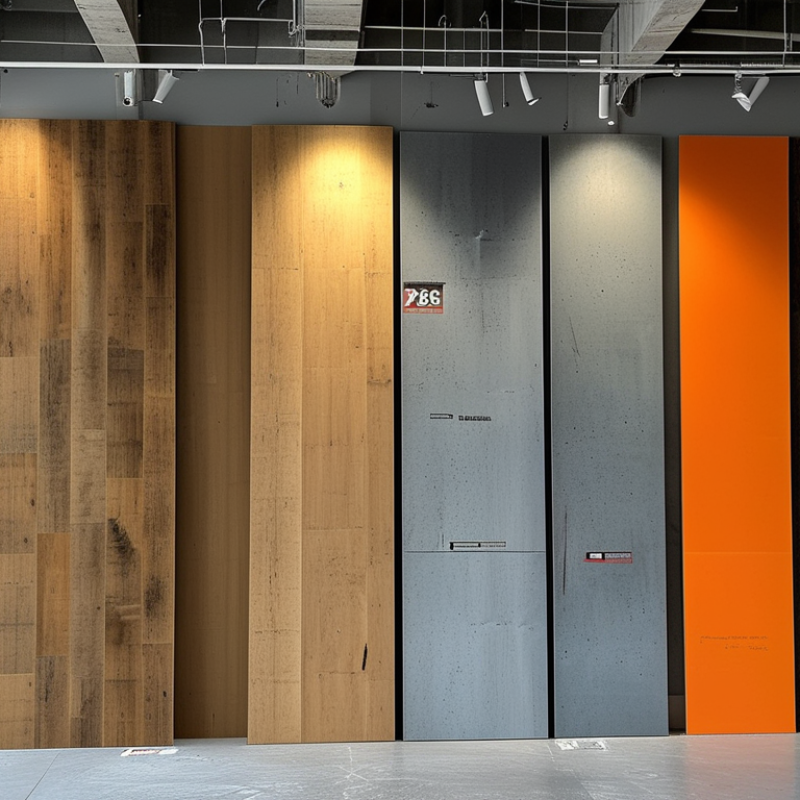
Wall Panels in 2026: Definitions, Uses, and Market Scope
2026 Top Wall Panel Types for Global Buyers?
Wall Panels in 2026: Definitions, Uses, and Market Scope
Wall panels are factory-made surfaces covering interior or exterior walls. They may use wood fibers, mineral cores, PVC, metal, or composite layers. Buyers select them for decoration, insulation, moisture resistance, acoustic control, or faster installation. In 2026, common categories include acoustic slat panels, fire-rated mineral panels, waterproof bathroom panels, decorative 3D panels, and insulated exterior systems. Each type serves a different building condition.
Market scope now extends across housing, offices, hotels, retail spaces, transport facilities, and renovation projects. A panel that looks excellent in a showroom may fail in humid storage or poor installation conditions. Check core density, surface durability, fire performance, formaldehyde levels, and cleaning requirements. Request independent test reports when specifications affect safety or long-term use. Local climate matters too. Coastal air, strong sunlight, and seasonal movement can change performance.
Tips: Compare the complete installed cost, not only the panel price. Ask about trims, adhesives, fasteners, packaging, and replacement pieces. Measure walls twice. Small errors become expensive quickly. I have found that installation guidance is often overlooked, even by experienced buyers. That weakness deserves reflection. A reliable supplier should provide clear technical data, sample approval, tolerances, and realistic delivery information. Still, no single panel type fits every market. Product selection should follow the building’s moisture, acoustic, thermal, visual, and maintenance needs.
Performance Factors: Durability, Insulation, Fire Safety, and Maintenance
Choosing wall panels for global projects requires more than comparing appearance and price.
Durability depends on impact resistance, moisture exposure, temperature changes, and fixing quality. In coastal areas, salt air can weaken exposed metal components. In humid buildings, poorly sealed joints may invite mold or swelling. A panel can look strong in a sample room, yet perform differently after years of vibration and cleaning.
Insulation also deserves careful testing. Check thermal conductivity, sound reduction, joint design, and the performance of the complete wall system. A thick core does not automatically deliver better comfort. Fire safety must be verified through recognized test reports and local building requirements. Ask for reaction-to-fire ratings, smoke data, and installation limits. Never judge safety by appearance alone.
Tips:
Request samples, technical data, and independent test records. Inspect corners, seams, and fasteners. Confirm replacement procedures before ordering.
Maintenance planning often separates a reliable panel from a costly one. Smooth, sealed surfaces usually clean more easily, but harsh chemicals can damage coatings. Ask how stains, scratches, and moisture damage should be repaired. Keep spare panels when colors or textures may change. Real projects still surprise us. Even careful specifications can miss poor drainage or careless installation. A practical buyer should review site conditions, installer experience, and maintenance access before approving the final panel type.
Global Standards, Sustainability, and Regional Buying Requirements
2026 Top Wall Panel Types for Global Buyers?
Global buyers are comparing mineral-fiber, gypsum, wood-based, recycled-polymer, and metal wall panels. Performance now matters as much as appearance. The UNEP Global Status Report for Buildings and Construction 2023 found that buildings and construction created 37% of global energy and process-related emissions in 2022. The IEA Buildings 2023 report also linked building operations to about 30% of global final energy use. Therefore, buyers should examine thermal performance, durability, recycled content, and installation waste. A panel may look sustainable, yet its adhesive, backing, or transport impacts can weaken the result.
Regional compliance changes the buying decision. European projects may request EPDs under ISO 14025 and EN 15804, plus fire classification under EN 13501-1. North American projects often review ASTM E84 results, indoor-air emissions, and moisture resistance. Other regions may require local fire, humidity, or chemical documentation.
Suppliers should provide batch details, test dates, and clear material compositions. Claims without verification are risky. That part is still imperfect across the industry.
Tips:
Ask for an EPD, VOC data, fire reports, and recycled-content evidence. Compare installed cost, not panel price alone. Check edge damage after simulated transport. Confirm whether local installers can handle the system. No panel wins every market.
A Step-by-Step Framework for Selecting the Right Wall Panel Type
Choosing a wall panel should begin with the building’s real conditions, not a catalog photograph. Gypsum panels suit dry interiors and fast finishing. Mineral wool systems help control sound and improve fire performance. Fiber-cement panels tolerate tougher exterior exposure. Wood veneer adds warmth, but humidity can cause movement. Vinyl panels clean easily, although some projects may question their environmental profile.
Use this practical sequence. Define the room’s moisture, impact, acoustic, and fire requirements. Then compare panel core, surface, thickness, joint design, and installation method. UNEP’s 2024 Global Status Report for Buildings and Construction states that buildings consume about 32% of global energy and create roughly 34% of global carbon emissions. This makes thermal performance and material transparency more important than appearance alone. Request EPDs, fire classifications, VOC test results, and maintenance instructions. Check whether testing follows recognized methods, such as EN 13501-1 or ASTM E84.
Test before ordering.
Ask for full-size samples, not small chips. Expose them to cleaning, moisture, sunlight, and repeated impact where relevant. Review replacement lead times, packaging strength, and local installer experience. A low purchase price can become expensive after difficult cutting or damaged edges. I have seen visually attractive panels fail because the joint detail was ignored. That risk deserves honest attention. For global procurement, compare the delivered cost, documentation quality, warranty terms, and end-of-life options together. The right type is the one that performs predictably in its actual location.