2026 Best Maize Flour Mill Machine for Global Buyers
Choosing the 2026 best Maize Flour Mill Machine requires more than comparing prices or advertised capacity. Global buyers need equipment that matches local maize quality, electricity conditions, labor skills, and production goals. A machine designed for dry, clean kernels may perform poorly with damp or heavily contaminated grain. That detail matters.
This guide examines practical factors from an operator’s perspective. We consider milling capacity, flour fineness, energy use, cleaning systems, wear-resistant parts, and maintenance access. Food-contact components should support safe and hygienic production. Reliable suppliers should also provide installation guidance, spare parts, training, and responsive technical support. Certifications must be checked against the buyer’s destination requirements, not accepted blindly from a brochure. No machine is perfect. Even efficient equipment can lose output when kernels are poorly stored or feeding is uneven. That is an easy mistake to overlook. Buyers should request test results using maize similar to their own supply. They should also confirm actual output, power consumption, and flour yield under working conditions. A clear comparison prevents expensive surprises after installation. This overview is intended to help importers, mill owners, distributors, and project planners make better-informed decisions. It combines technical considerations with realistic operating experience. Some recommendations may still require adjustment. Local conditions always matter.
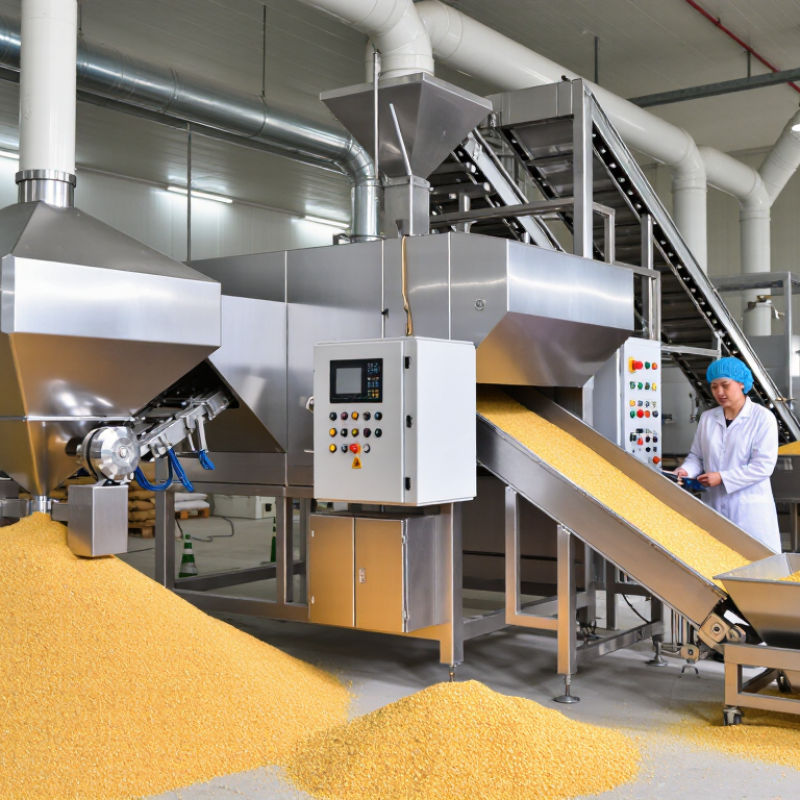
What Is a Maize Flour Mill Machine?
A maize flour mill machine is food-processing equipment that cleans, breaks, grinds, and sifts maize into flour. Some systems include a degerminator, while smaller units may use a hammer or roller mill. The machine’s design affects flour texture, output, energy use, and maintenance needs.
In practical operation, maize should be cleaned before milling. Stones, dust, and metal fragments can damage internal parts or reduce food safety. After cleaning, the grain enters the milling chamber, where rotating hammers or rollers reduce it into smaller particles. A sieve then separates fine flour from coarse material. The coarse portion may return for another pass.
Moisture matters greatly. Grain that is too wet can clog screens, while overly dry maize may create excess dust. Operators should check moisture, temperature, sieve condition, and flour fineness during production. Stainless steel contact surfaces are easier to clean and inspect. Production capacity should match local demand, electrical supply, available space, and technical skills.
No machine fits every market. A compact mill may serve a village shop, but a larger processor needs stronger drives and continuous feeding. In my experience, buyers often focus on hourly capacity and overlook cleaning access. That can become an expensive mistake. Actual output also varies with maize variety, moisture, and desired flour fineness. Reliable selection requires testing representative grain before purchase.
2026 Best Maize Flour Mill Machine for Global Buyers
What Is a Maize Flour Mill Machine?
A maize flour mill machine is industrial equipment that cleans, dehulls, grinds, and separates maize kernels into flour. The suitable machine size depends mainly on required hourly output, power availability, product fineness, and the level of automation.
The chart presents representative processing capacities commonly used for small, medium, and industrial maize flour milling lines. Actual output varies according to maize moisture, kernel quality, sieve size, milling configuration, and operating conditions.
How Does a Maize Flour Mill Machine Work?
2026 Best Maize Flour Mill Machine for Global Buyers
How Does a Maize Flour Mill Machine Work?
When maize enters the mill, the process begins with cleaning and grading. A vibrating screen removes dust, cob pieces, and oversized material. An air channel then lifts lighter husks and dry particles. A destoner separates small stones by weight and airflow. This step protects the milling parts and improves food safety.
Clean kernels may receive controlled water conditioning. Moisture softens the bran and reduces excessive flour heating. The operator must avoid over-wetting the maize. Excess water can block screens and encourage spoilage during storage. After conditioning, degermination removes part of the germ and outer layer. The remaining endosperm breaks more evenly.
Rollers or impact plates reduce the kernels into smaller particles. The grinding gap controls flour fineness. A plansifter separates fine flour, semolina, and coarse pieces through several mesh layers. Coarse particles return for another pass. This circulation improves yield, but it also increases energy use. In real workshops, the process is rarely perfectly balanced. Uneven maize size can create more bran or leave coarse flour. Operators should check moisture, screen condition, temperature, and flour texture during production. A clean sample should feel soft between the fingers, without gritty particles. Loose belts, worn screens, or poor airflow can quietly reduce output before failure becomes obvious.
Key Features of the Best Maize Flour Mill Machines
The best maize flour mill machine for global buyers should match real working conditions, not just a sales brochure.
In practical milling, stable grinding matters more than impressive speed. A strong motor should handle hard, clean maize without frequent overheating. Adjustable grinding plates or rollers help operators control flour texture for porridge, baking, or local dishes.
Consistent particle size is essential.
Food-contact parts should use corrosion-resistant materials and smooth surfaces. These details make daily cleaning faster and reduce hidden residue. A removable sieve is useful when users need different flour grades.
The machine should also include overload protection, secure covers, and an emergency stop.
Small safety features matter.
Energy use deserves careful attention.
Buyers should compare motor power, voltage, phase, and local electricity stability before ordering. A machine designed for one grid may perform poorly elsewhere. No model fits every mill.
I would not select capacity from a catalogue alone. Test maize moisture, expected daily output, and available space first. Moisture changes performance significantly. Ask for measured output data, noise information, maintenance instructions, and spare-part availability. Independent inspection can also verify material quality and electrical safety.
A reliable supplier should explain limitations clearly, not promise perfect results. This honesty is often more valuable than a higher advertised capacity.