






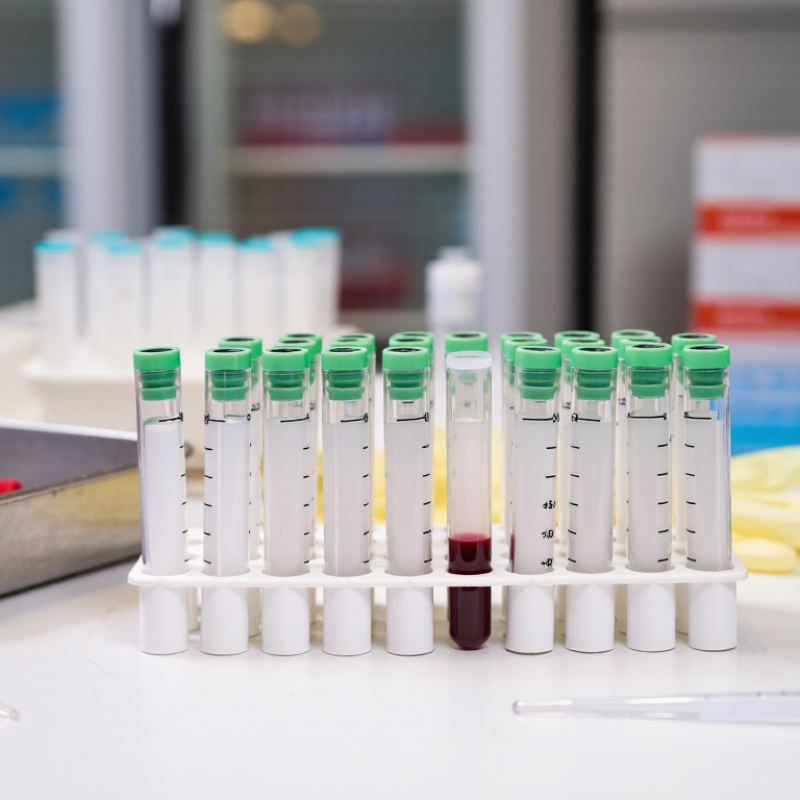
2026 Best Heparin Tubes for Global Buyers?
What Global Buyers Should Check Before Purchasing
Global buyers should match the heparin tube to the exact testing method. Lithium heparin tubes are common for plasma chemistry and electrolyte testing. However, laboratory instruments may require different tube sizes, fill volumes, or separator designs. Confirm the additive type, concentration, tube material, and intended specimen volume. A wrong combination can affect results.
Check the manufacturing evidence before discussing price. Ask for batch records, certificates of analysis, sterility information, and clear lot traceability. The label should show the expiration date, storage temperature, tube type, and lot number. Inspect sample tubes for cracked walls, loose caps, uneven additive coating, or vacuum loss. Small defects matter.
They can delay testing.
Review real-world performance with your laboratory team. Compare plasma yield, clot formation, hemolysis rates, mixing instructions, and centrifugation requirements. Request stability data for the expected shipping route, especially where temperatures change sharply. Packaging should protect tubes from pressure, impact, and moisture during international transport. Confirm minimum order quantities, production lead times, replacement procedures, and technical support.
Compliance documents deserve careful checking. Requirements differ between countries and healthcare systems. Do not rely on a sales sheet alone. Ask whether the product is registered or accepted for your intended market, and verify documents with qualified local professionals. A lower price may hide inconsistent supply or weak after-sales support. I have found that purchasing teams sometimes judge samples too quickly. One successful trial is useful, but not enough. Temperature exposure, operator habits, and analyzer differences can change the outcome.