
Made in America
Get Connected With

Opening Hours M-F: 07:00 AM to 4:00 PM (PST)




Email Us
sale@abrvpartsacc.com
Call Us
+1 (626) 448-2100Made in America
Get Connected With
Opening Hours M-F: 07:00 AM to 4:00 PM (PST)
After a day of standing, commuting, or training, tired feet can make even a quiet evening feel less restful. A Foot Massager may offer convenient at-home comfort, but products differ in pressure, fit, heat settings, and ease of cleaning. The right choice depends on your routine, sensitivity, and budget—not on the number of buttons.
The American Podiatric Medical Association’s 2014 survey of 1,000 U.S. adults found that 77% had experienced foot problems. That figure is self-reported and does not show that a massager can treat a medical condition. It does, however, underline why comfort and foot care matter to many buyers. The National Center for Complementary and Integrative Health also notes that massage research varies by condition; evidence for one kind of massage should not be treated as proof for every device.
Small details count. Can your heel sit naturally in the footwell? Are the rollers adjustable, or do they feel too intense after five minutes? Is the control reachable without bending down? These practical checks often matter more than a long list of features. This 2026 guide compares ten models by comfort, usability, safety features, price, and upkeep, while separating manufacturer claims from features buyers can verify. Some ratings may still reflect personal preference. That is worth admitting. A soothing setting for one person may feel uncomfortable to another, so check fit and return terms before purchasing.
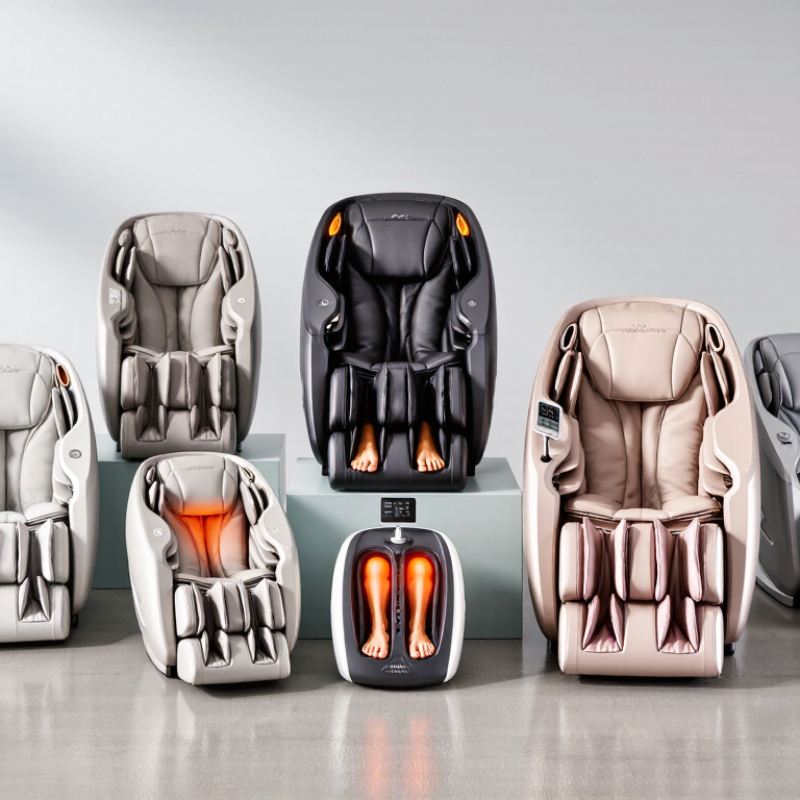
Foot massagers generally use vibration, rotating nodes, rollers, or air cushions to stimulate the soles and sides of the feet. Shiatsu-style models press and knead with moving nodes, while compression models inflate and release soft chambers around the feet. Some combine both. The feel differs. A shallow roller may suit someone who dislikes firm pressure, while deeper kneading can feel intense beneath the arch.
Look at fit, control, and cleaning before choosing a device. Open-toe designs feel less enclosed; full-foot chambers may provide more even contact but can feel warm. Adjustable intensity, a timer, and washable liners are practical details for regular use. Heat is optional. It may add comfort, but it does not make a massager a treatment for an injury or circulation problem. Check that your heel and toes sit naturally, without being squeezed.
A short, low-intensity session is a sensible way to judge comfort. Stop if pressure causes pain, tingling, or numbness. People with diabetes, reduced sensation, circulation concerns, or foot injuries should ask a qualified healthcare professional before using heated or high-pressure devices. Consumer foot massagers vary, and claims about medical benefits deserve careful scrutiny. I might expect a stronger setting to work better, but comfort—not intensity—is the more useful guide.
A practical comparison of common foot-massager styles. “Best for” describes a typical use case, not a universal ranking; features and intensity vary by model.
| Foot Massager Type | How It Works | Common Features | Best Suited For | Things to Consider |
|---|---|---|---|---|
| 1. Shiatsu-style kneading massager | Rotating nodes or rollers press and knead the soles, often moving in repeated cycles. | Selectable intensity, timed sessions, and sometimes optional heat. | People who prefer a firm, targeted massage across the soles. | Pressure may feel too strong for sensitive feet. Check the foot-space dimensions and whether the intensity can be adjusted. |
| 2. Air-compression massager | Inflatable chambers gently squeeze and release parts of the foot in cycles. | Adjustable compression levels, separate controls for zones, and session timers. | People who prefer a wrapping or squeezing sensation rather than rolling pressure. | Compression fit varies with foot size. Avoid use or seek medical advice if you have a condition for which compression is not recommended. |
| 3. Rolling-foot massager | Moving rollers travel beneath the foot to apply repeated pressure along the sole. | Manual or powered rollers, different speed settings, and sometimes textured surfaces. | People seeking a straightforward rolling sensation, especially along the arch. | Roller paths and pressure coverage differ. Some devices focus mainly on the sole and do not massage the top of the foot. |
| 4. Vibrating foot massager | A motor produces rapid vibrations that are transmitted through a foot platform or contact surface. | Several vibration levels, simple controls, and a compact footprint on many models. | People who want a lighter, less targeted sensation or a simple device. | Vibration is not the same as kneading or compression. It may not suit people who are sensitive to vibration. |
| 5. Heated foot massager | Uses an electric heating element to warm the foot area; massage action may be provided by rollers, vibration, or air chambers. | Heat settings, separate heat and massage controls, and automatic shutoff on some models. | People who enjoy gentle warmth alongside a massage. | Heat is generally for comfort, not treatment. People with reduced heat sensitivity should use caution and follow the device instructions. |
| 6. Foot spa with water and bubbles | Warm water surrounds the feet; bubbles or water movement create a mild, surface-level sensation. | Water-temperature features, bubble jets, and removable rollers or textured bases on some models. | People who enjoy a soaking routine and have space for a water-filled appliance. | Requires filling, emptying, and cleaning. Confirm whether the unit heats water or only helps maintain its temperature, and follow electrical-safety instructions. |
| 7. Manual foot roller | The user moves the foot back and forth over a fixed roller or ridged surface to control pressure. | No motor or power cord; commonly small and easy to store. | People who want a low-cost, portable option with direct control over movement and pressure. | It requires active movement and does not provide automatic massage. Pressure depends on how firmly the user presses. |
| 8. Foot rocker or stretch board | A curved or angled surface lets the user rock the foot or hold a gentle stretch. | Simple design, adjustable positioning on some models, and no electrical components. | People looking for a controlled foot-mobility or stretching aid rather than a powered massage. | It is not a kneading massager. Use a stable surface and avoid movements that cause pain or loss of balance. |
| 9. Foot-and-calf massager | Combines foot massage with cuffs, rollers, or compression chambers that also contact the lower legs. | Separate foot and calf settings, adjustable programs, and a larger seating-style design on some models. | People who want massage coverage beyond the feet. | Usually takes up more space and may cost more than a foot-only device. Check calf fit and the recommended user position. |
| 10. Portable, battery-powered foot massager | A compact powered unit uses a mechanism such as vibration or small rollers, with energy supplied by a rechargeable battery. | Rechargeable operation, lightweight construction, and simple controls on many models. | People who prioritize portability or want to use a device away from a wall outlet. | Battery life, charging time, power, and massage coverage vary. Check these specifications rather than assuming all portable models perform alike. |